

Hi, dear flight-report members and readers!
This FR opens a series, devoted to British Airways and their hub - the legendary LHR - as of 2023, and BA's service to Israel in 2023.
It's been long since I first flew BA back in late 2016 on HEL-LHR-MEX, and it was occasionally due to LH strike. These flights left a lot of impressions and memories due to incredibly diverse planespotting in LHR back then and due to the transatlantic flight on the old BA B744 (BA completely got rid of them during the pandemic) - my only long-haul flight on a B744 so far.
Pandemic and following war send that old era to the history and a lot of things changed, including my life. In 2022-2023 I was living in Israel, and when I got to know that BA was going to introduce A35K service to TLV I decided to give them a try and composed a 4.5-day trip to Ireland with return flights DUB-LHR-TLV on BA. The price was hefty - about 400 EUR, but I decided to pull the trigger.
Concerning the DUB-LHR flights, there were a lot of possible options, including early morning flight on EI A21N(LR) from the new T2 DUB, but, as my trip was quite short, I decided to choose BA flight on A20N, departing at 1 PM, thus gaining additional morning (which, though, turned to be very rainy) in Dublin city to expore it more thoroughly.
Dublin International Airport (DUB)
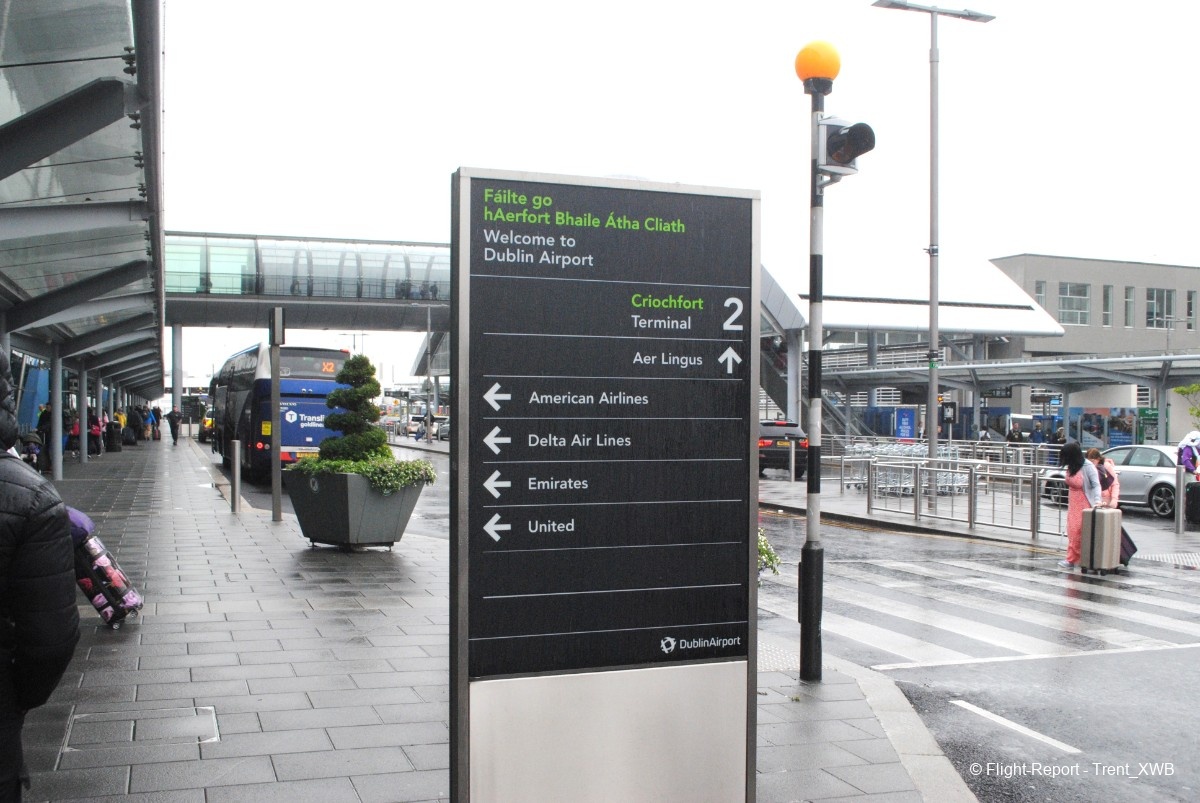
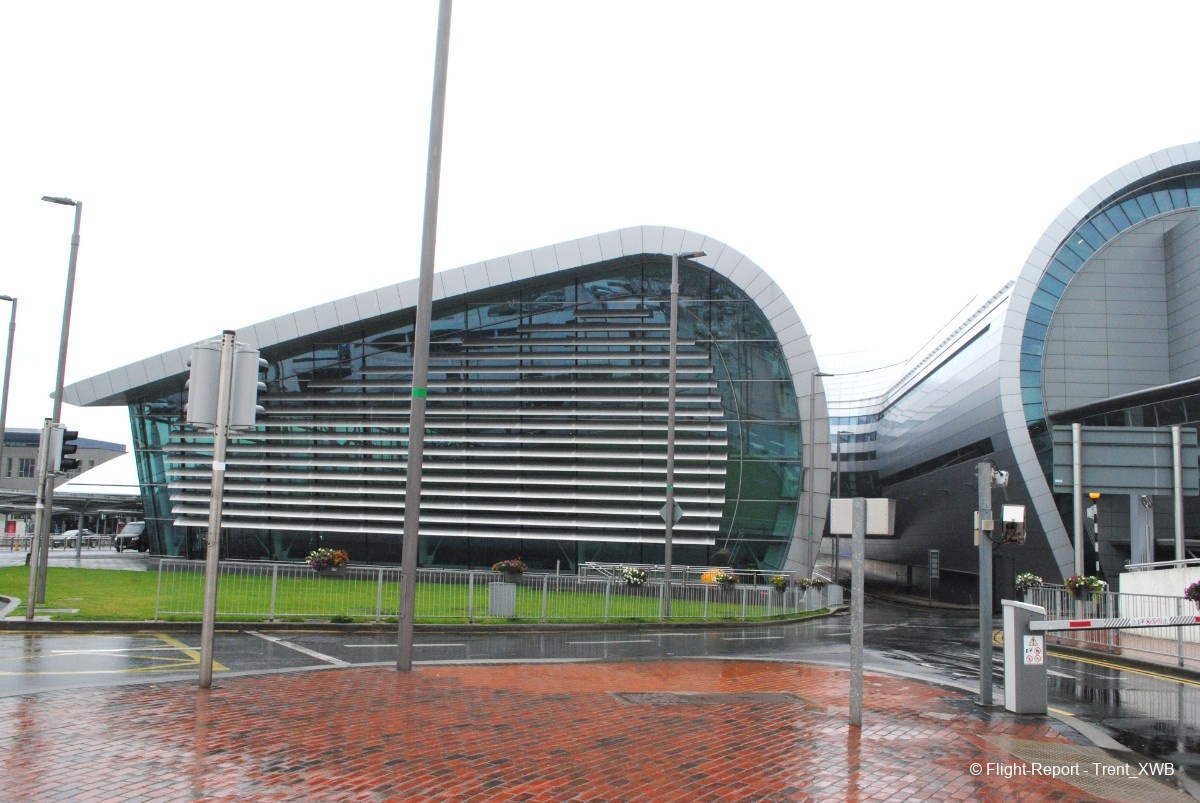
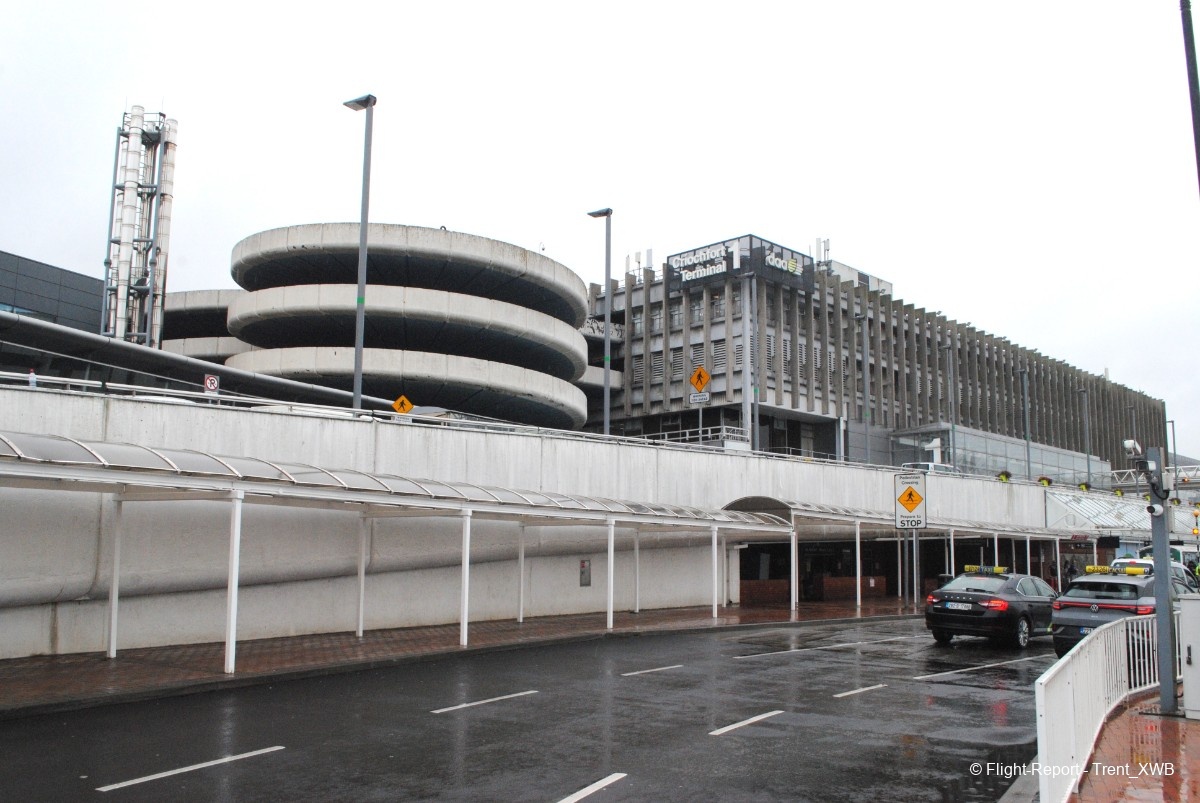
DUB is located north of the Dublin city and connected by bus service with the city centre. It has 2 terminals - the old dated 1972-built T1, from where most of the airlines operate and the newer 2010-built T2, from where EI, EK and US3 (DL, UA and AA) operate. One may notice that Gaelic language is actively used everywhere.
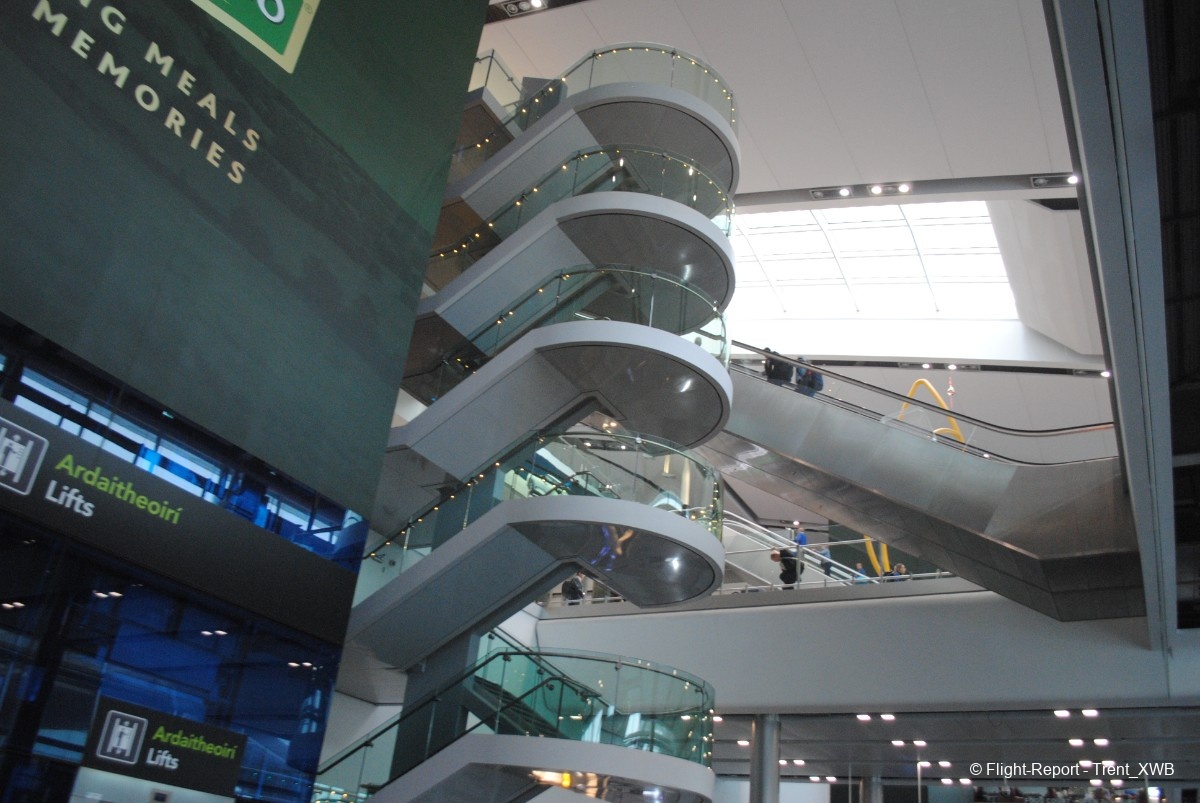
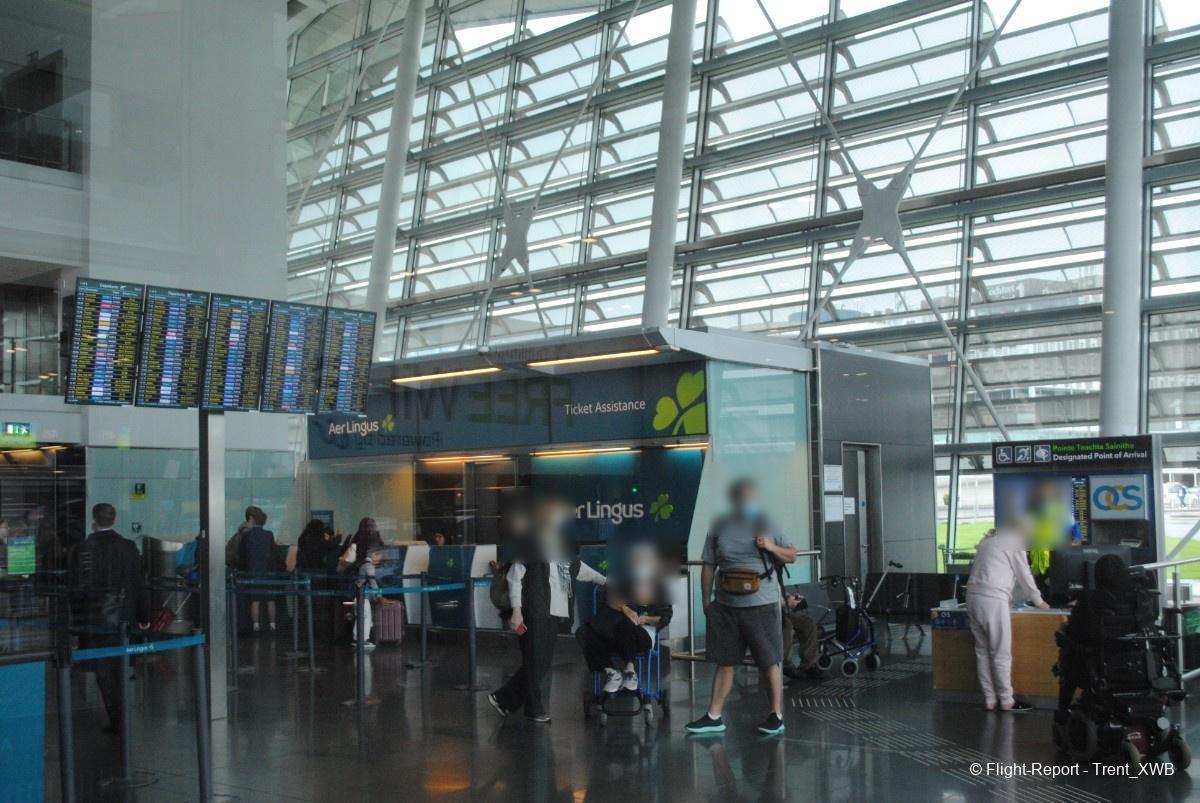
Before heading to T1, from where my flight was departing, I made a quick visit to T2. It looks nice from the outside, but its landside is hardly impressive. From what I've seen from other FRs, the airside is the nicest part of this terminal.
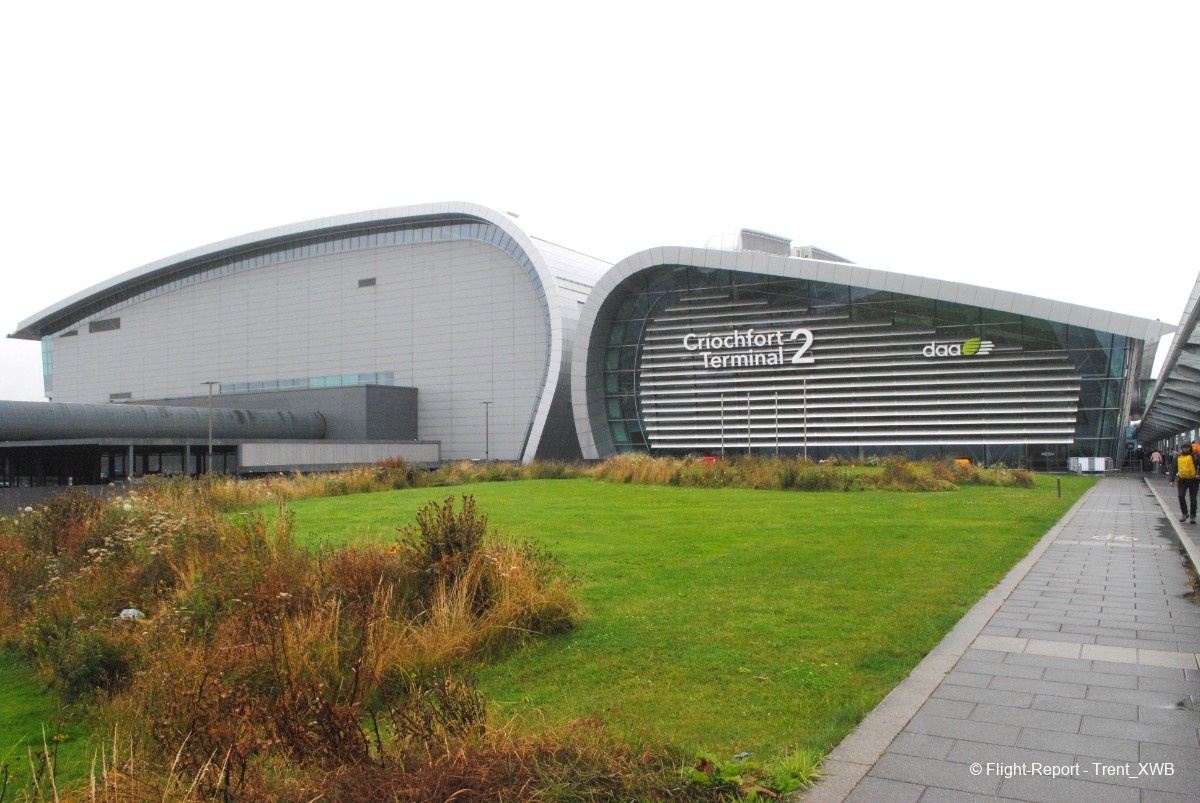
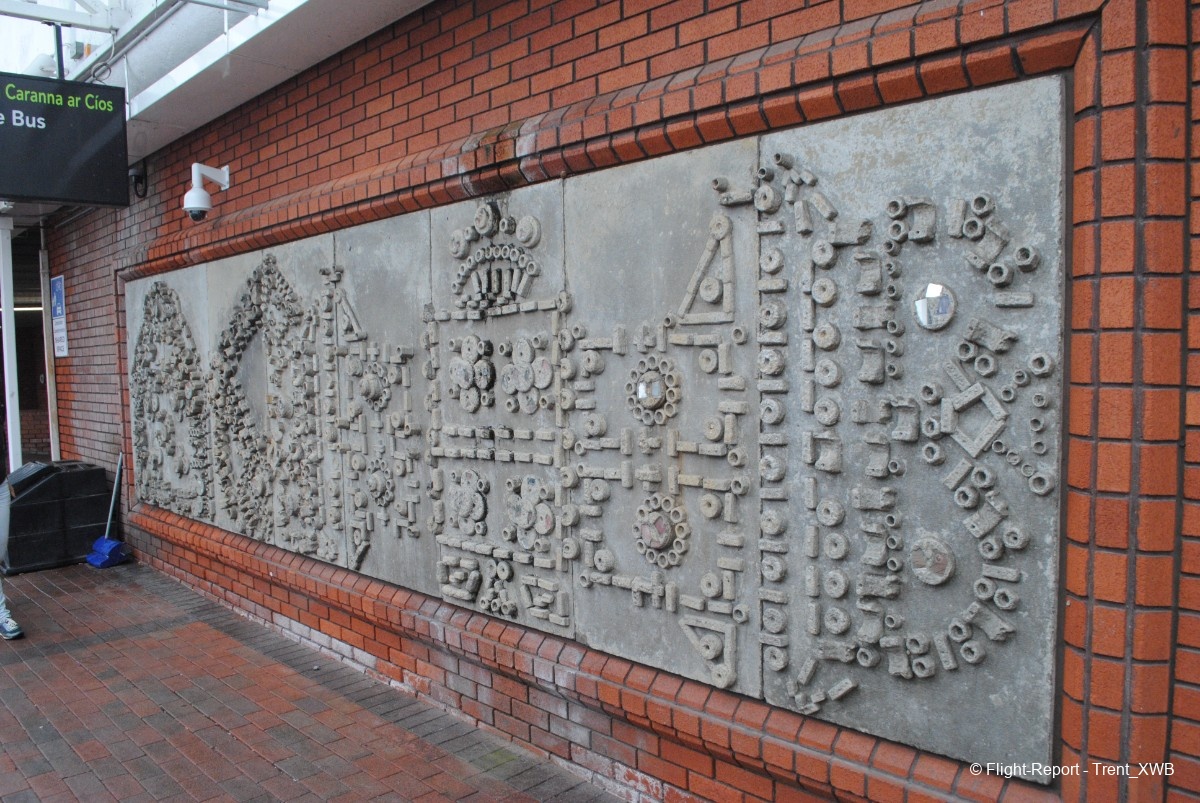
An interesting panel between T2 and T1.
The main building of T1 is visibly extremely dated.
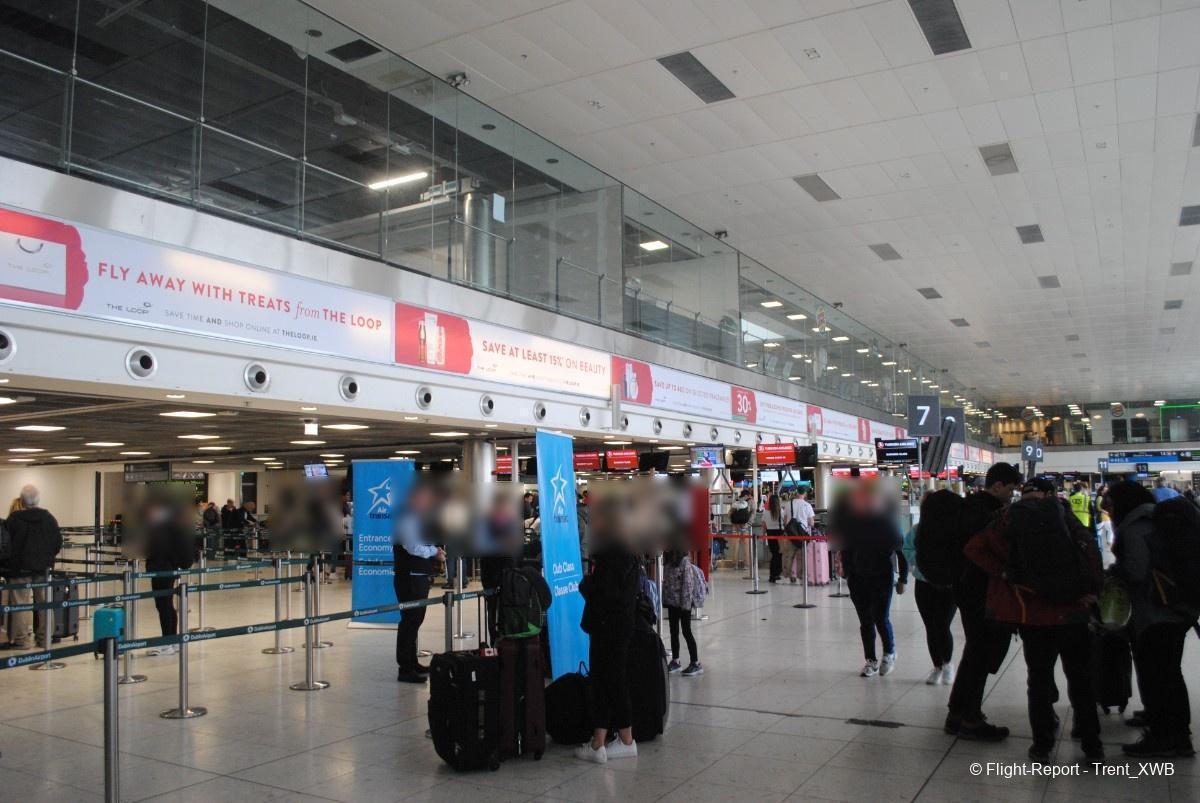
The check-in hall of T1. Nothing special, as one can expect from the building from that era.
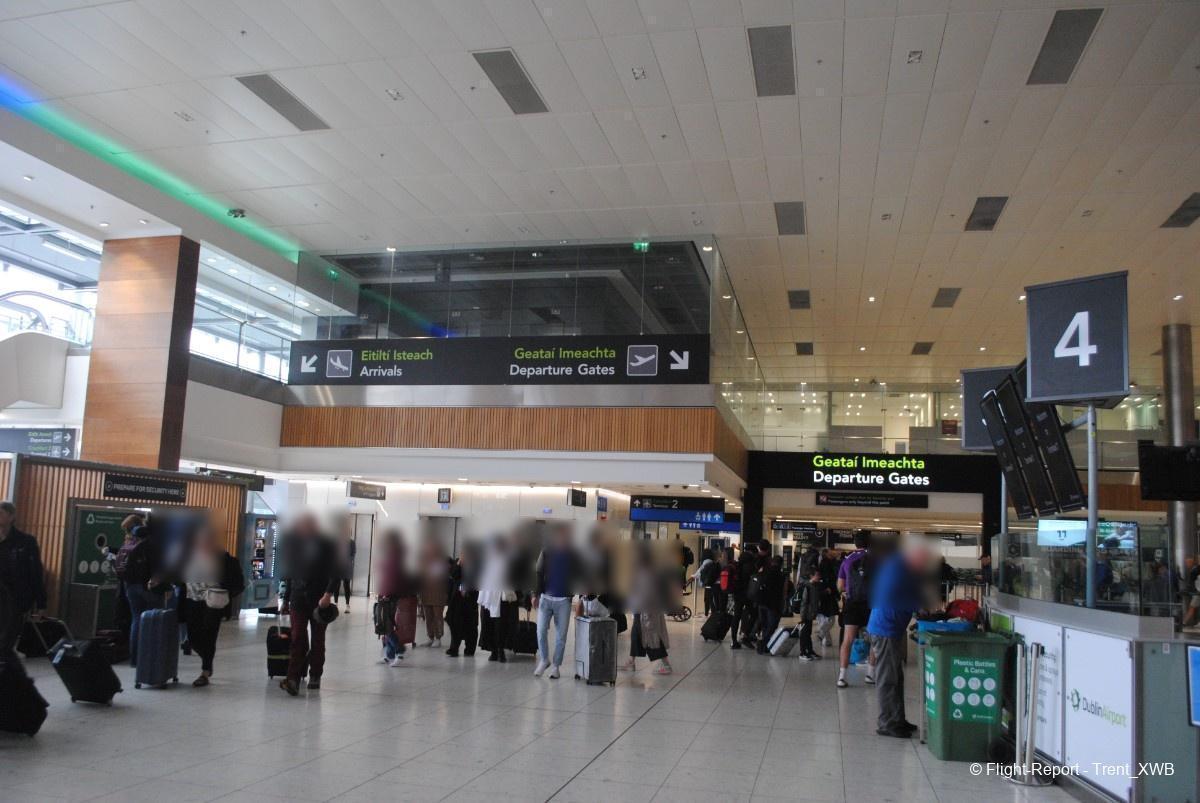
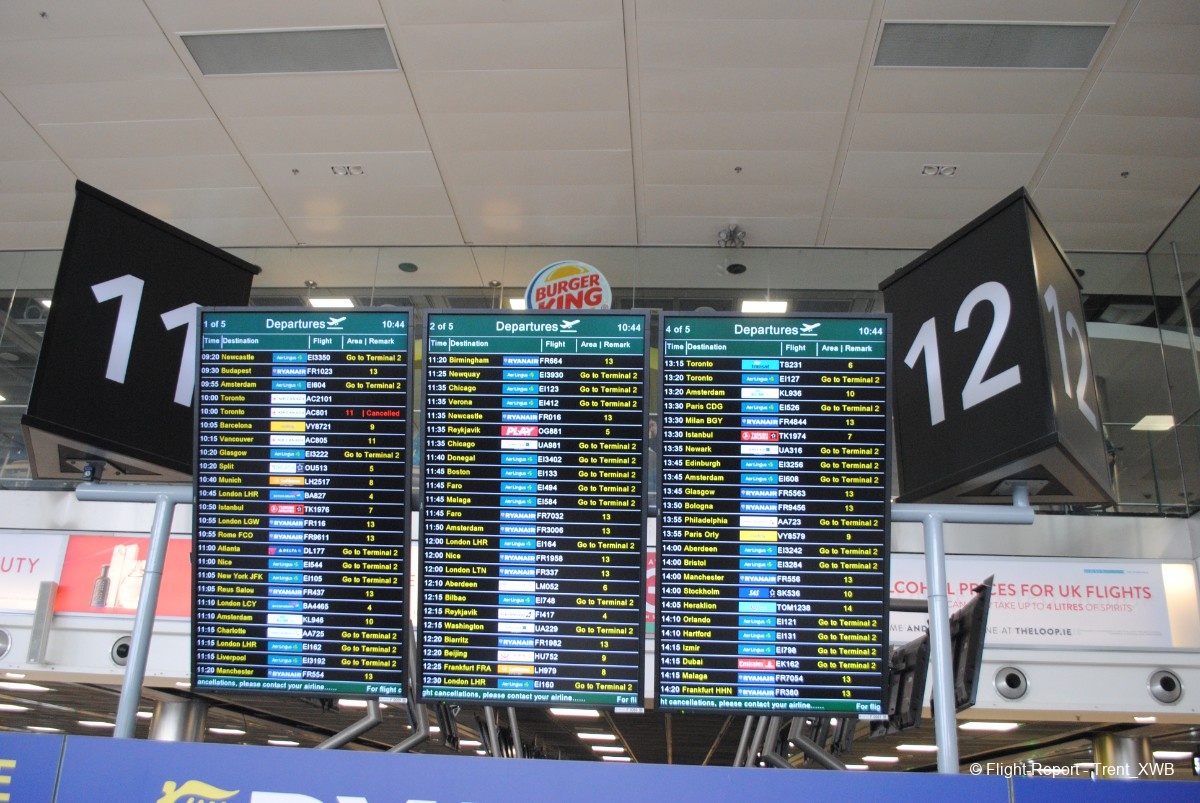
FID with the flights from both terminals. DUB seems to be bustling during afternoon hours.
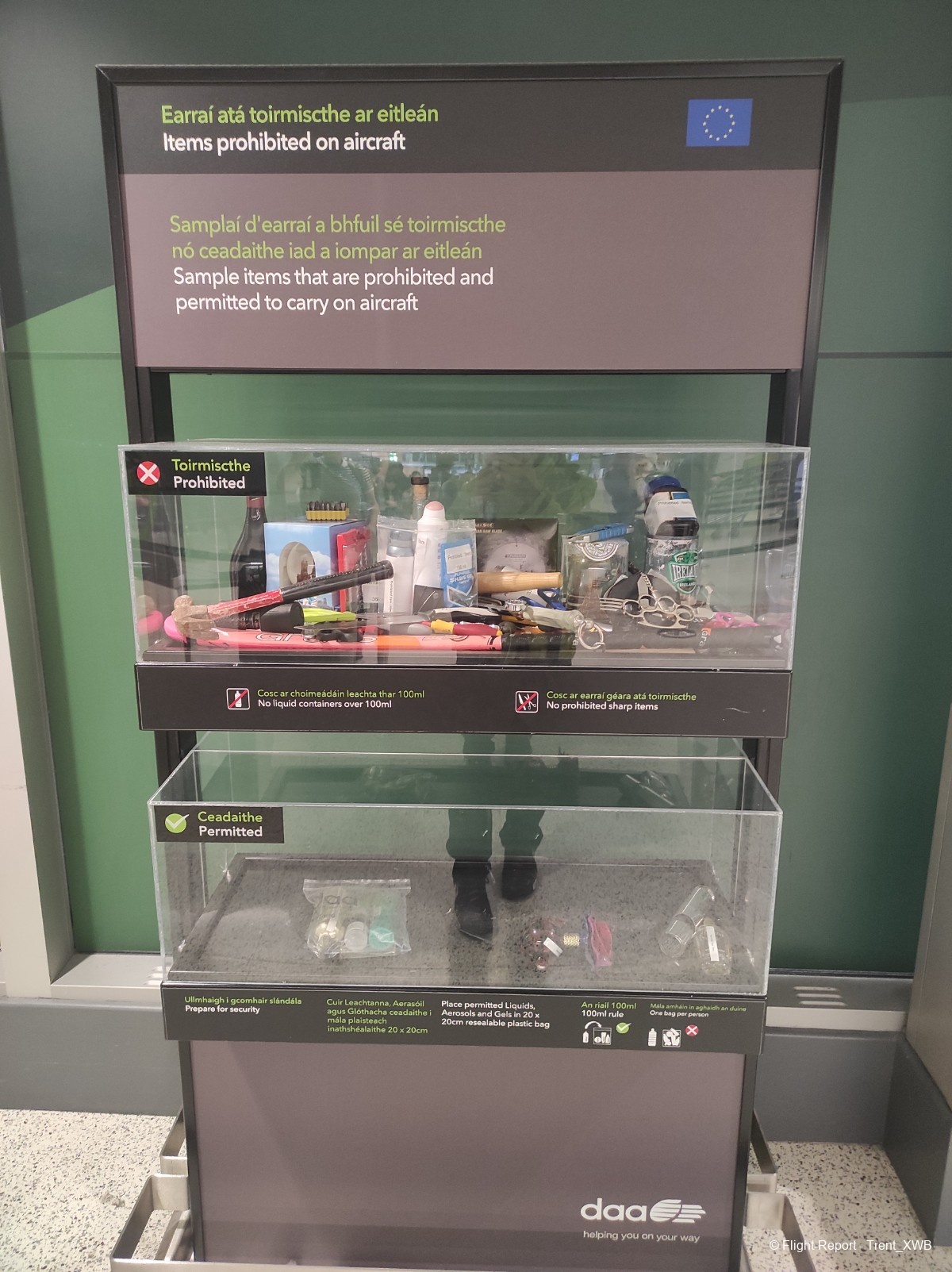
An "exhibition" of prohibited items at the entrance to the security, which also helps to learn some words from Gaelic language. Security took ages (I forgot about the powerbank in the depths of my backpack and thus had to pass screening twice); thankfully, I had enough time.
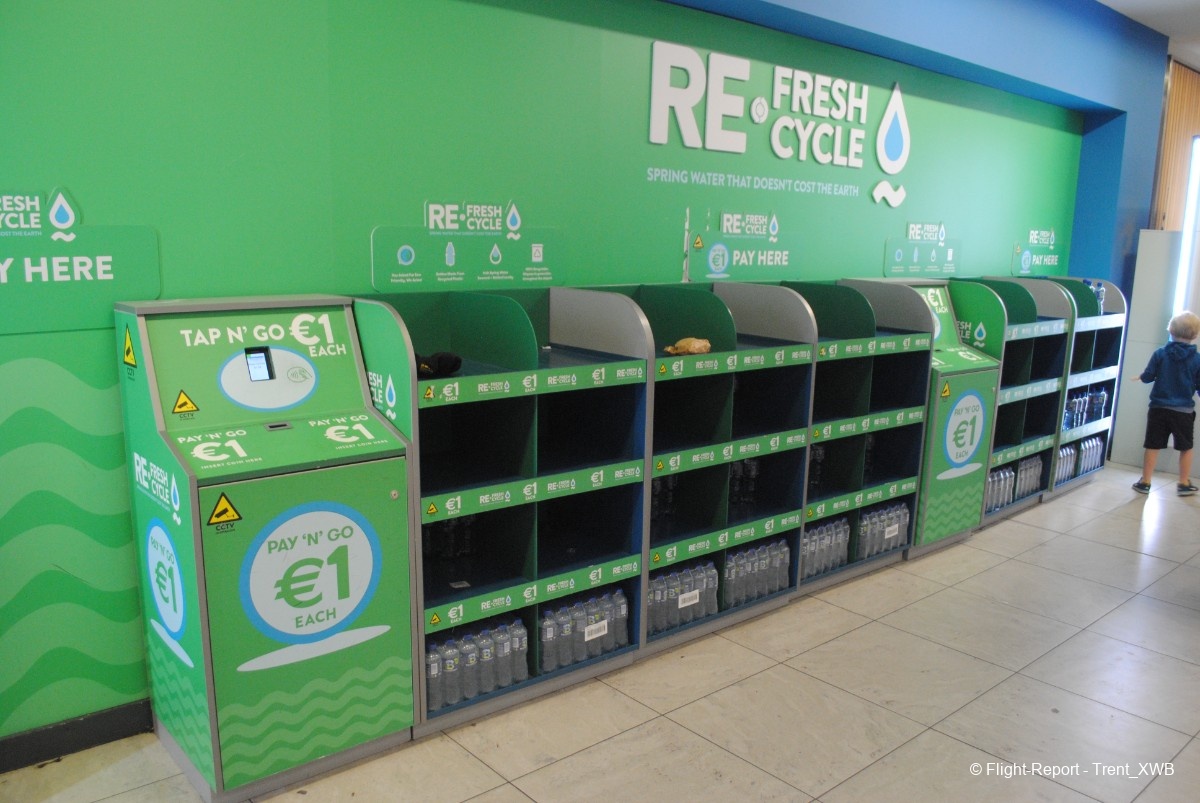
Bottle refill paid service after the security. Though, free water fountains are also present.
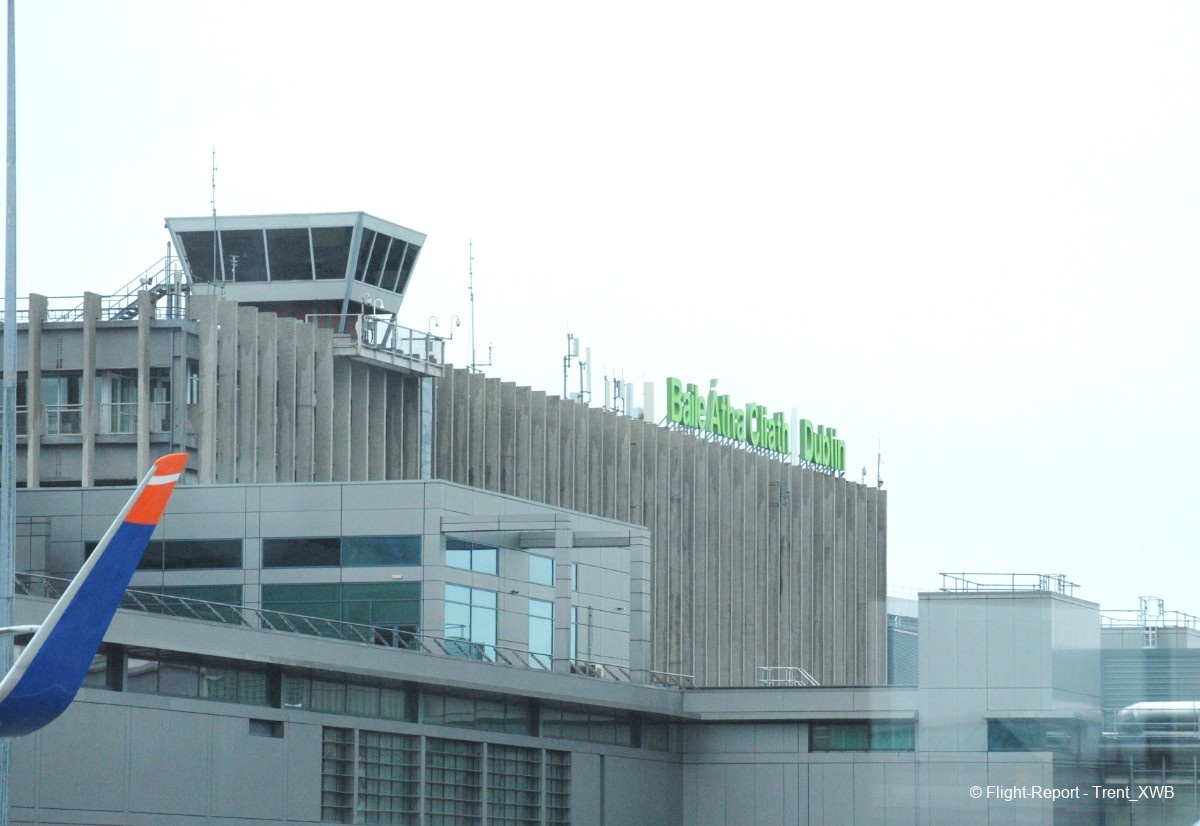
A view of the main building of T1 from the airside.
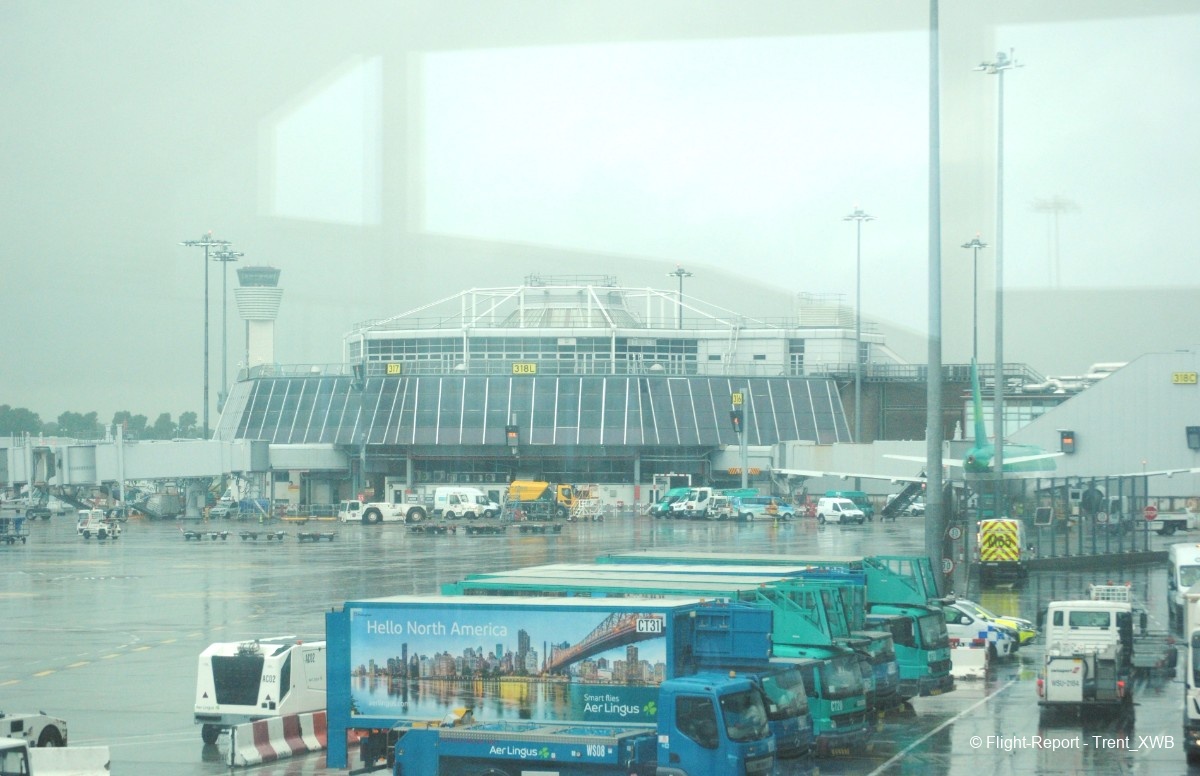
View of the T1's extension (later-built) and of the polygonal 3XX pier from the airside.
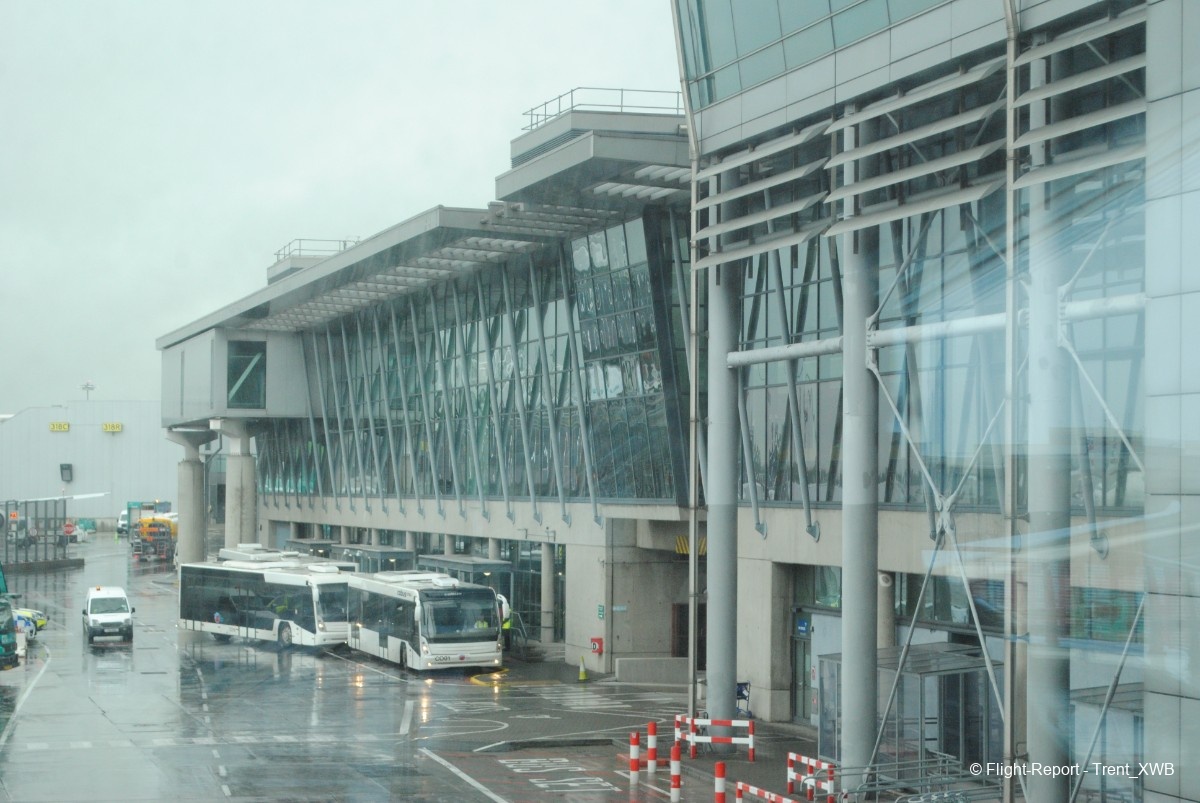
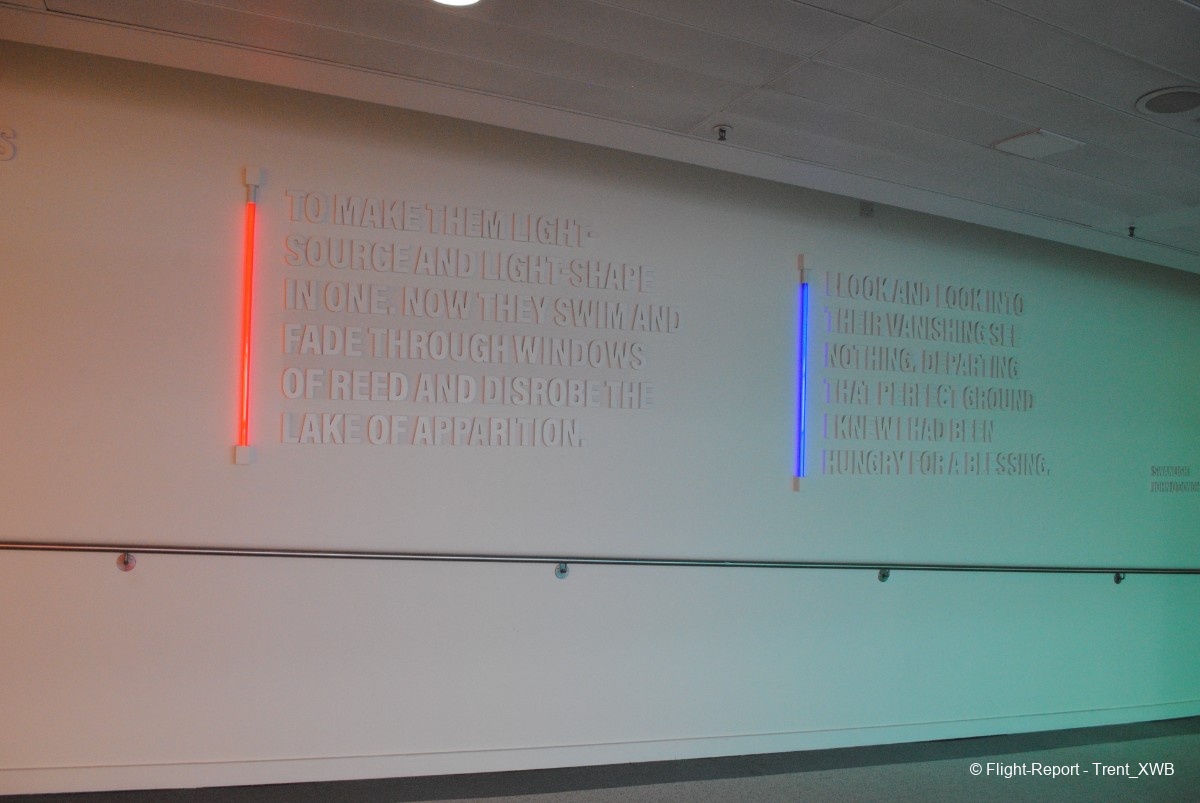
Some interesting walls in the older part of the airside, making it less dull-looking.
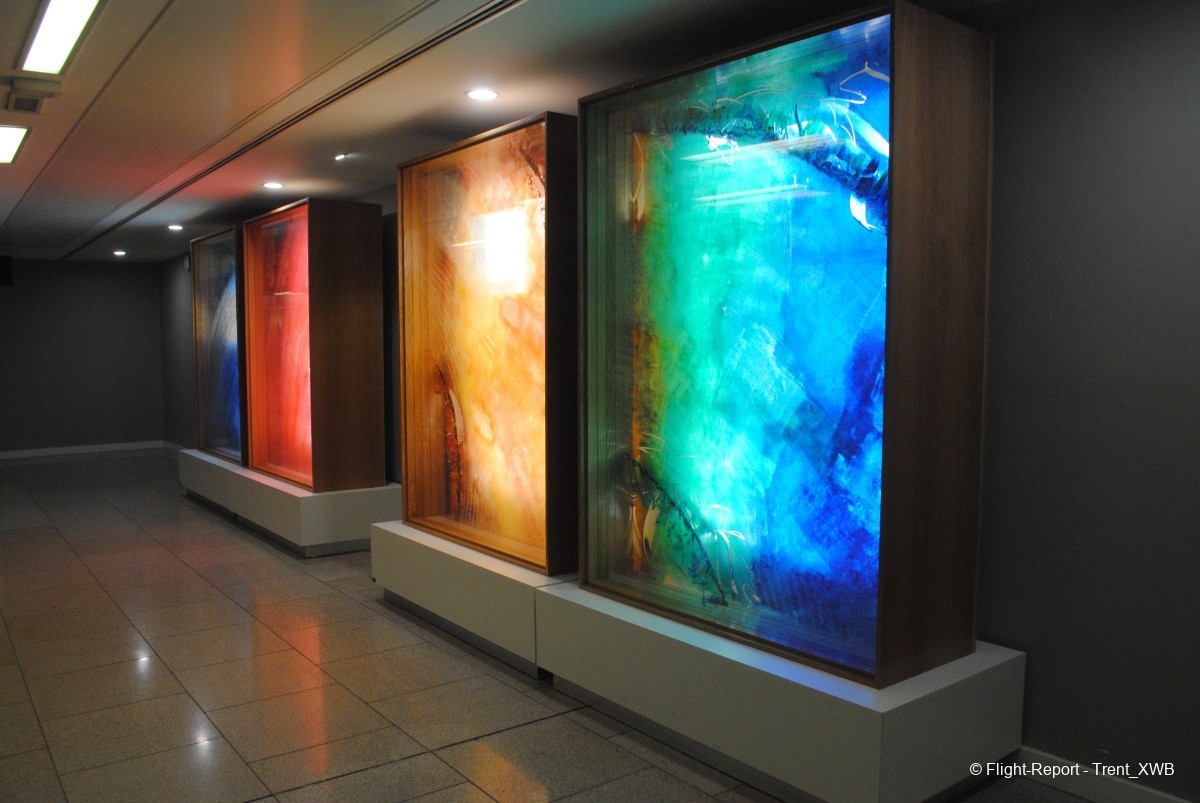
The newer part of the airside.
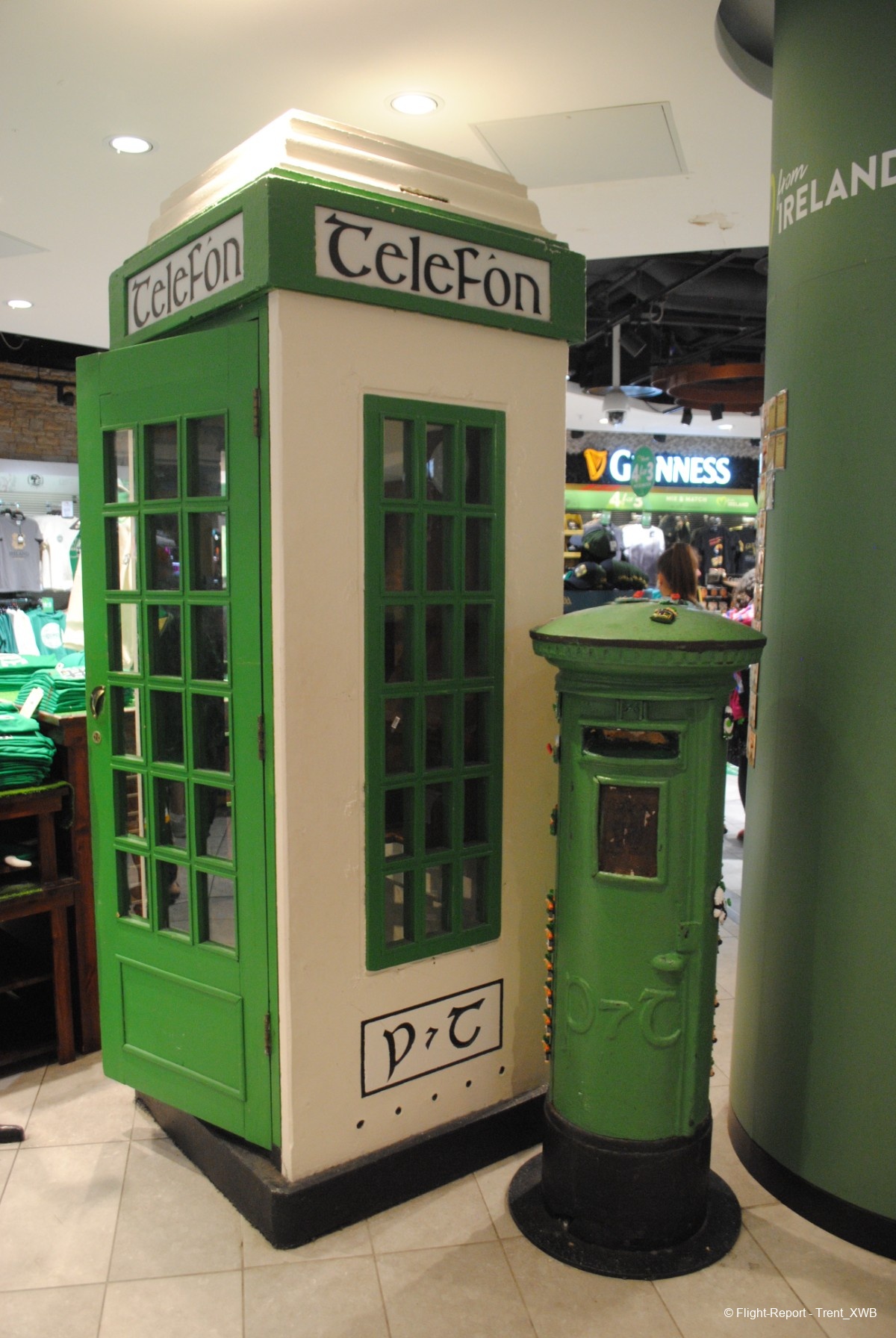
Telephone booth and postal box in the national color (opposing the red ones in the UK).
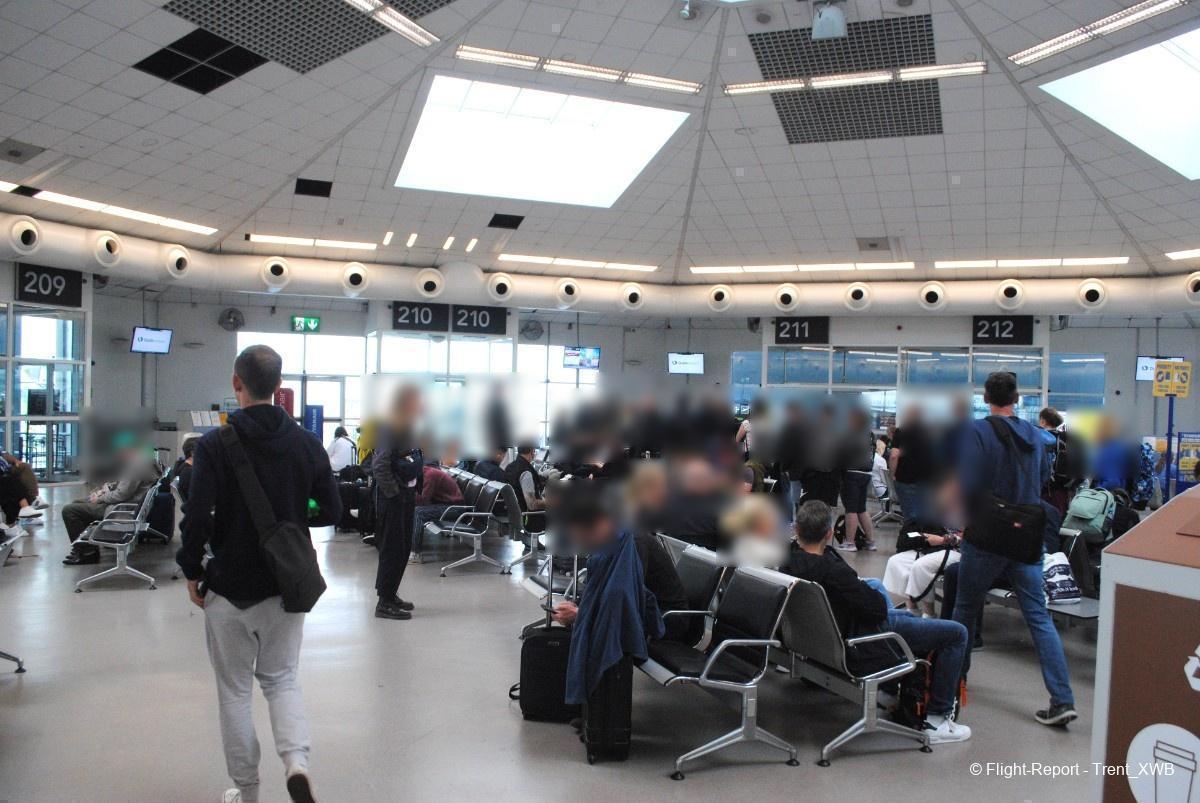
The polygonal pier of 2XX gates, from where my flight was departing.
Planespotting From T1 DUB
My flight was departing during the peak time and thankfully it resulted in quite diverse planespotting. If I chose the morning EI flight on A21N, I could've missed these sights.
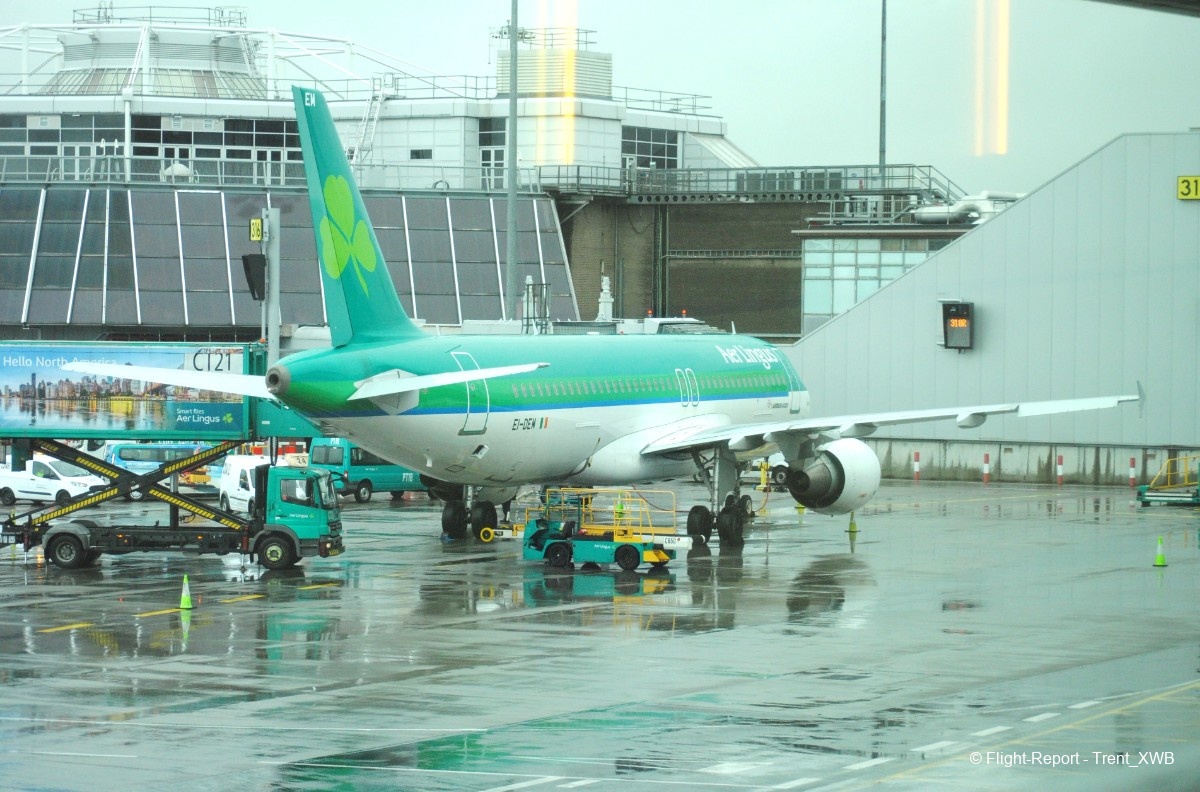
EI A320 (EI-DEM) in the old livery near 3XX pier.
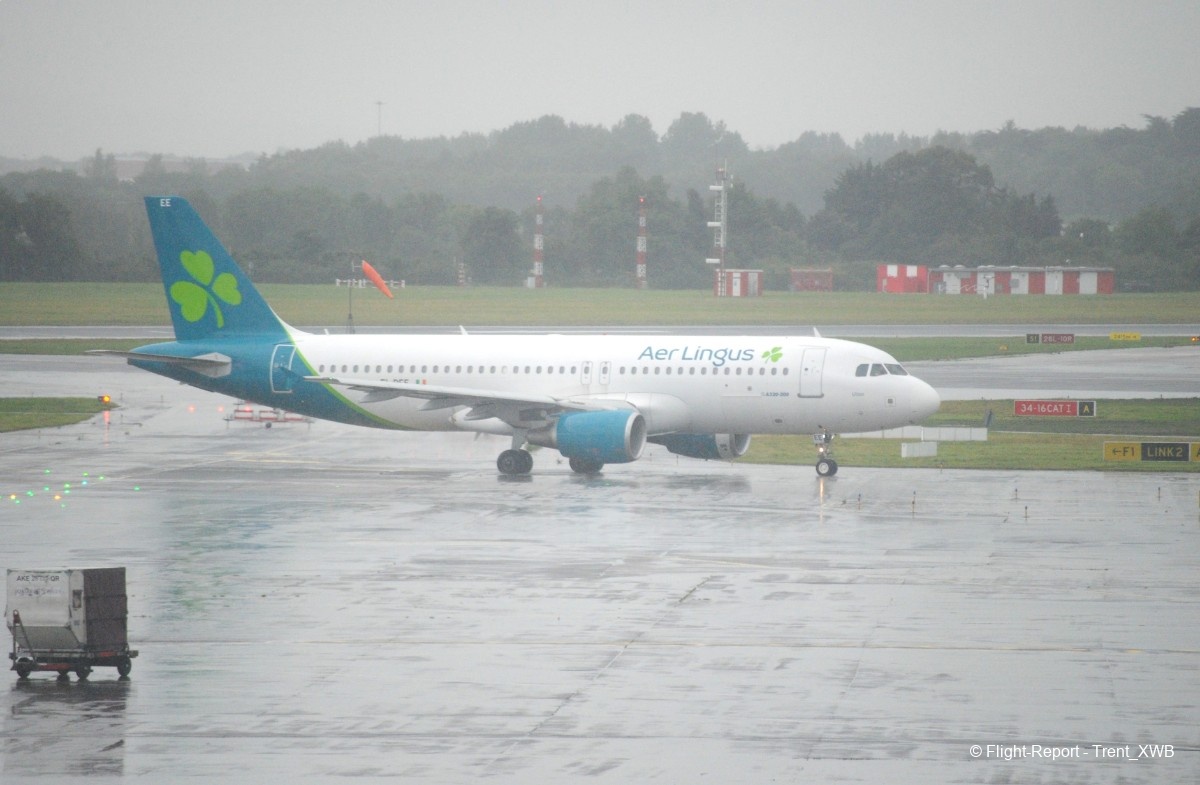
EI A320 (EI-DEE) in the new livery.
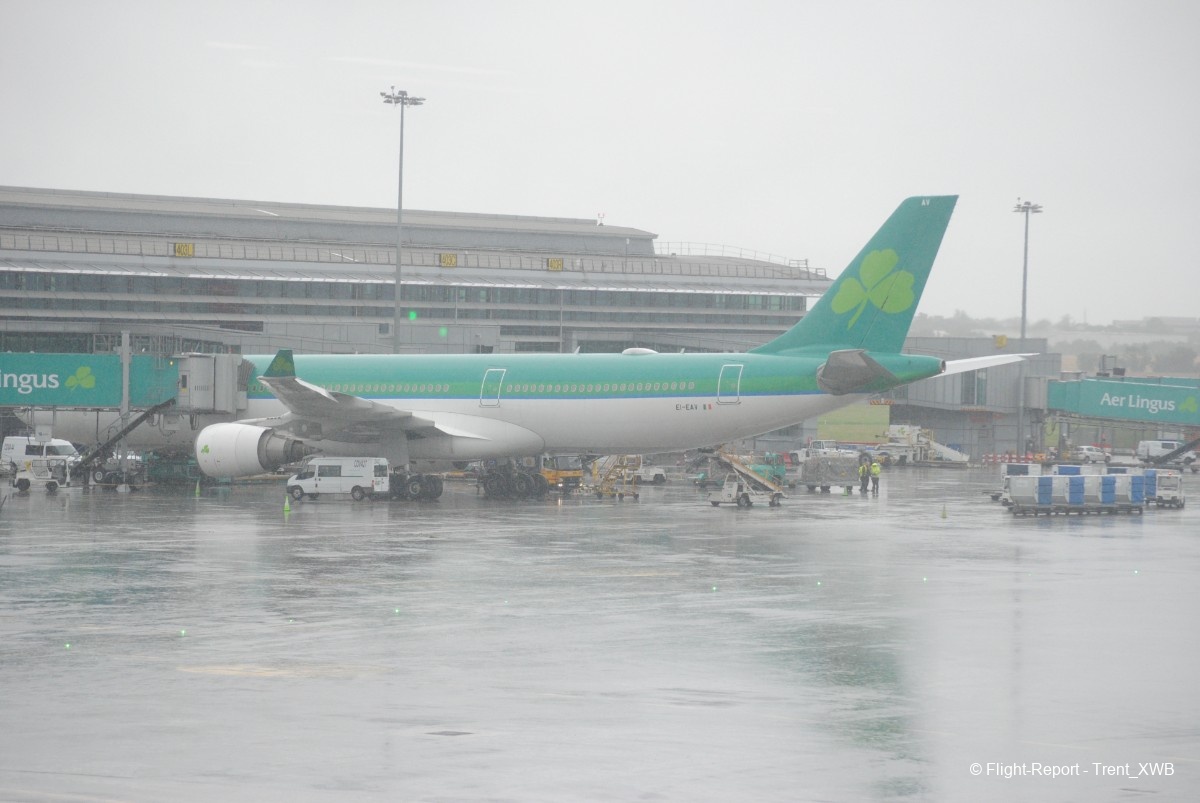
2008-built EI A333 (EI-EAV) in the old livery. All the EI's A333s and A332s are GE-powered.
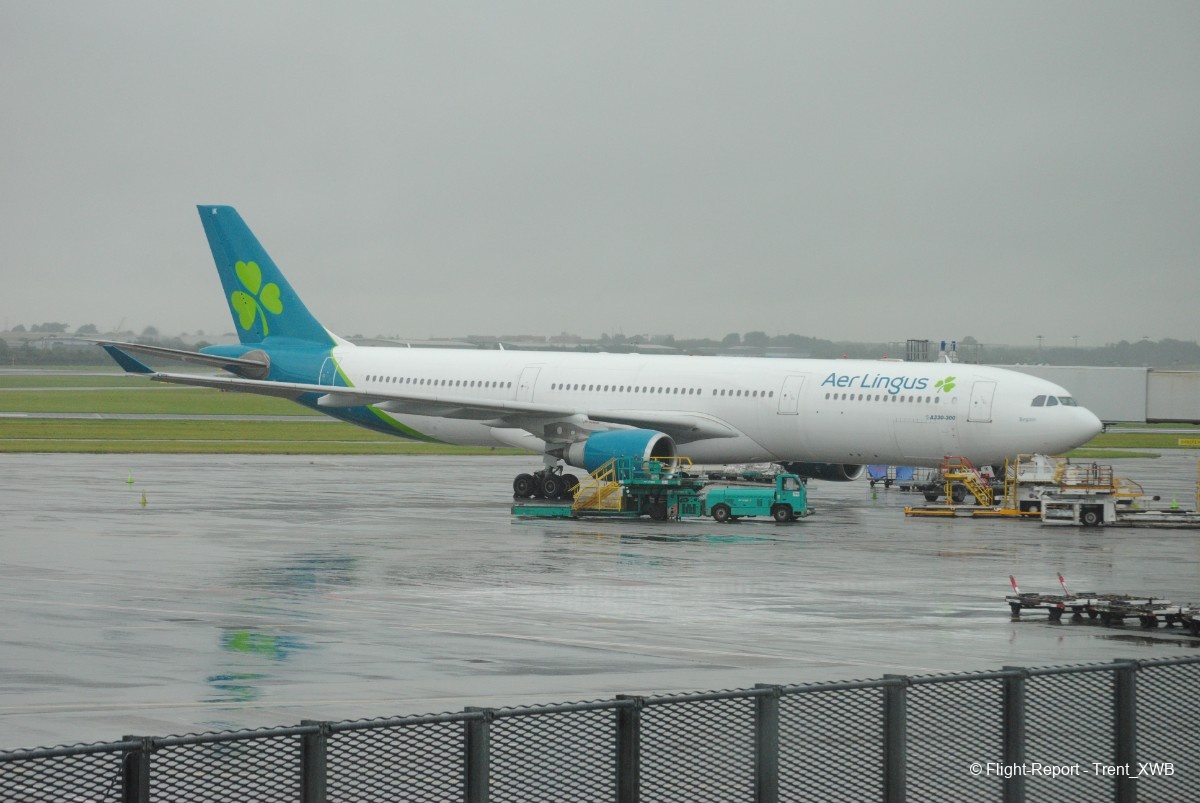
2006-built EI A333 (EI-EIK) in the new livery (EI received this aircraft in 2020 from QR).
2001-built EI A332 (EI-GEY) in the old livery. EI received this aircraft from QR in 2018. From July 2025 EI-GEY is stored and probably will be phased out. The photo was taken through a tinted window.
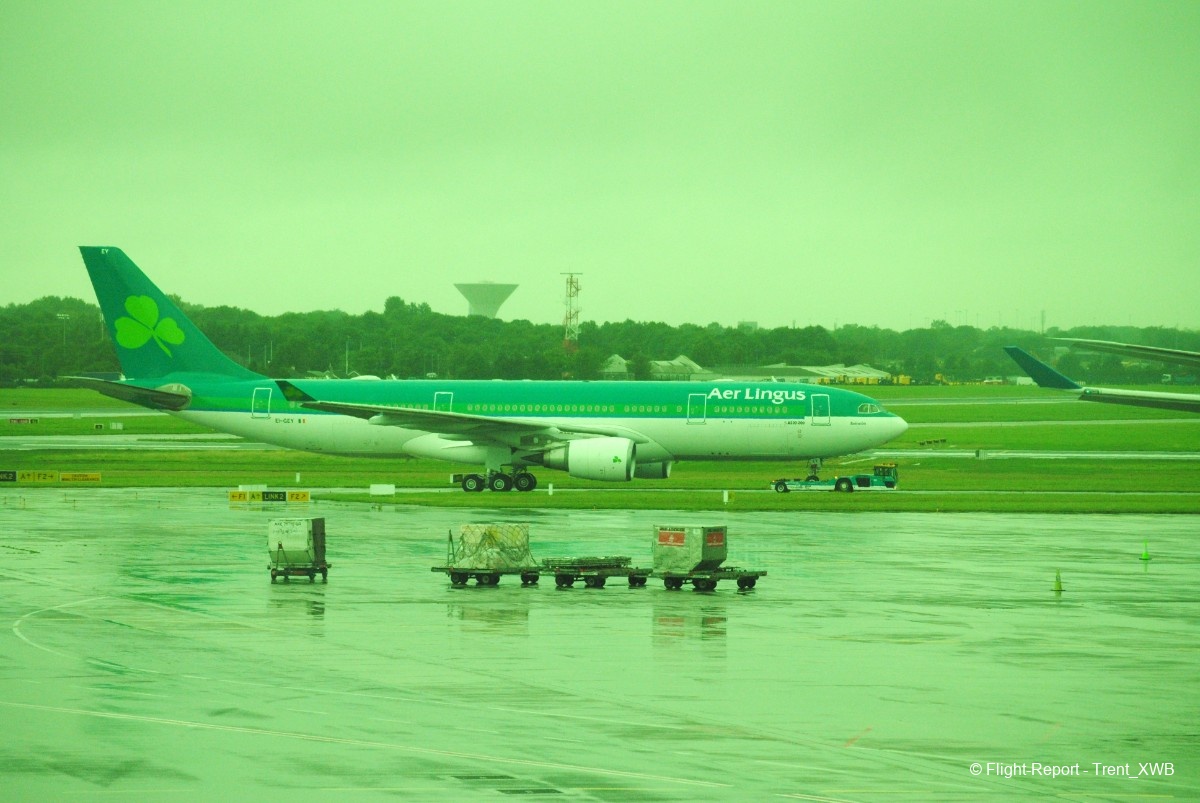
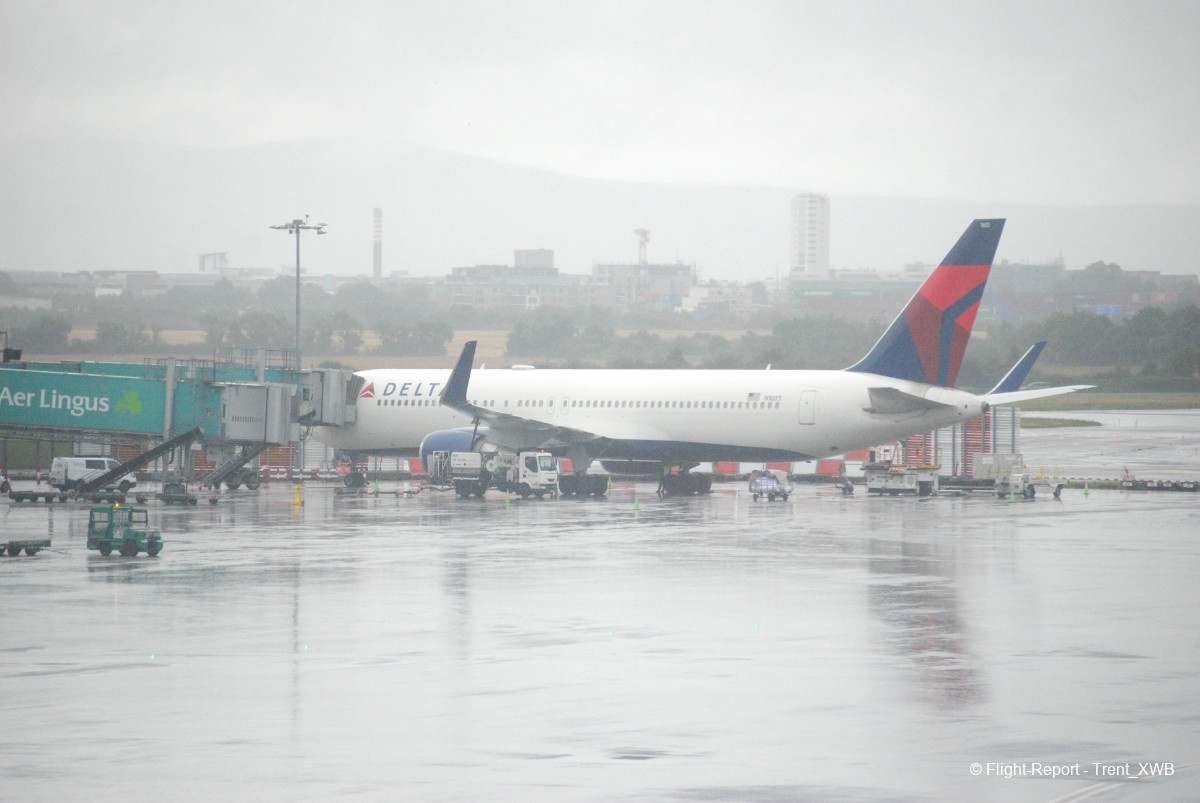
1999-built DL B763 (N1603).
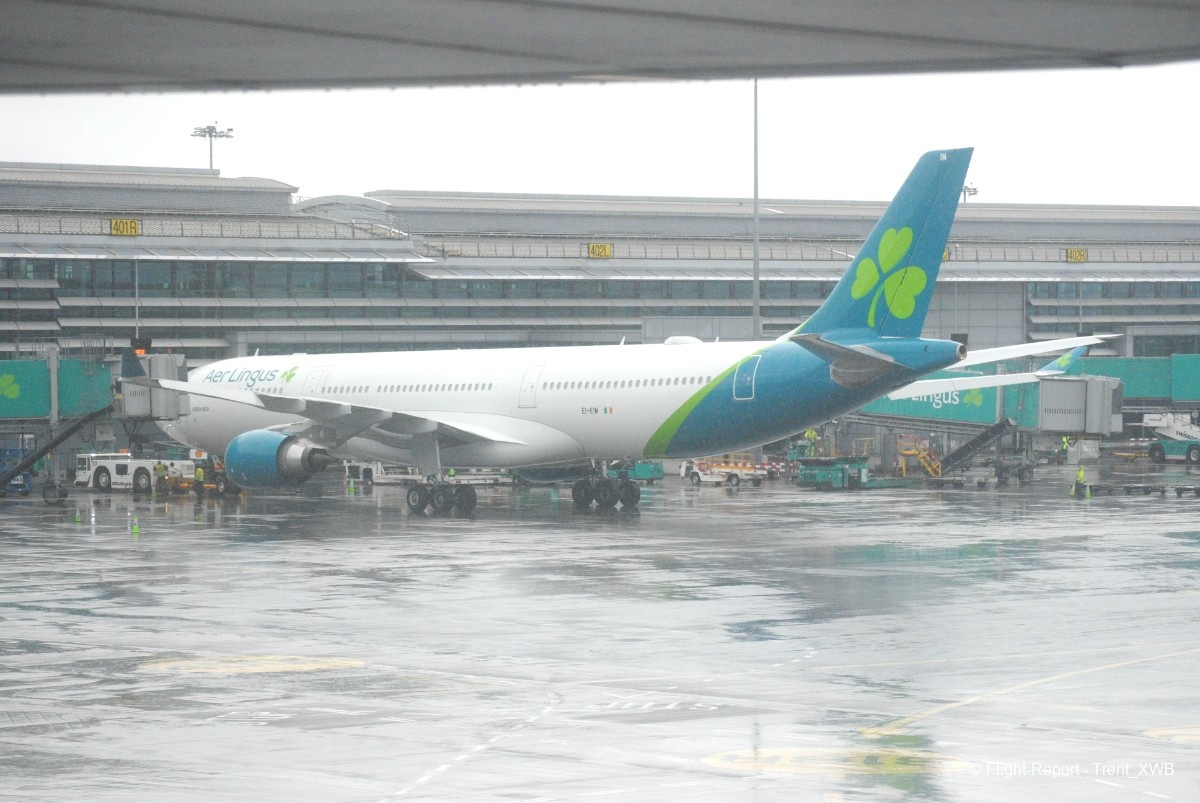
2019-built EI A333 (EI-EIM).
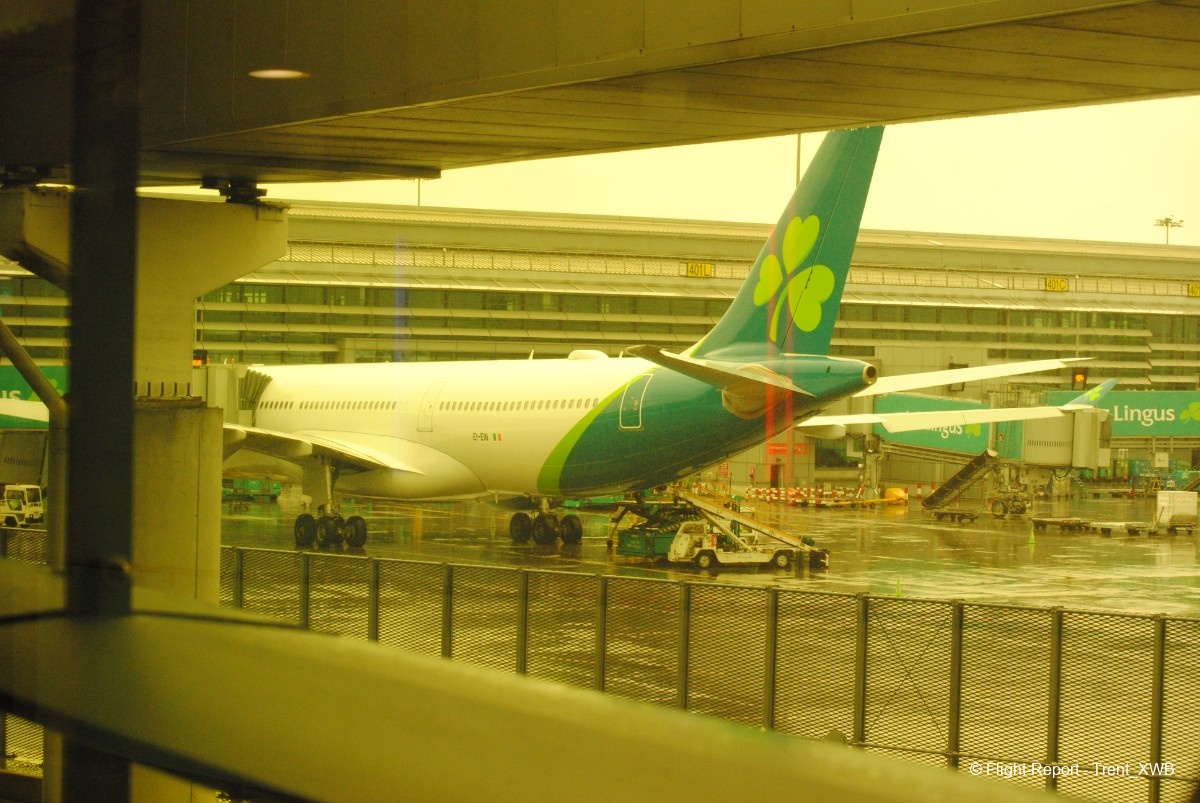
2020-built EI A333 (EI-EIN) - the very last A333 built. Symbolically, it was delivered shortly before the pandemic. BTW, the very last passenger A332 (2018-built EC-NNH) belongs to LEVEL, so it was IAG who closed the theme of A330ceo production.
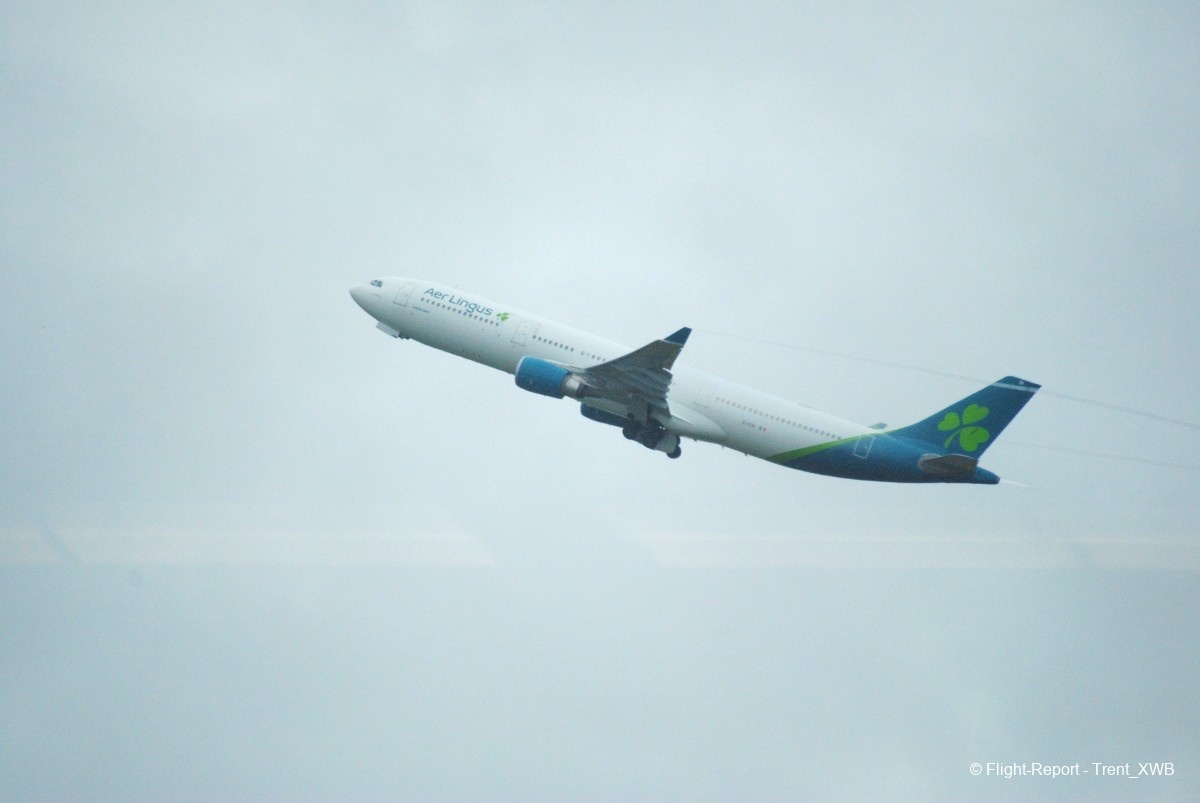
EI-EIN taking off in very humid air, producing vortices from the winglets.
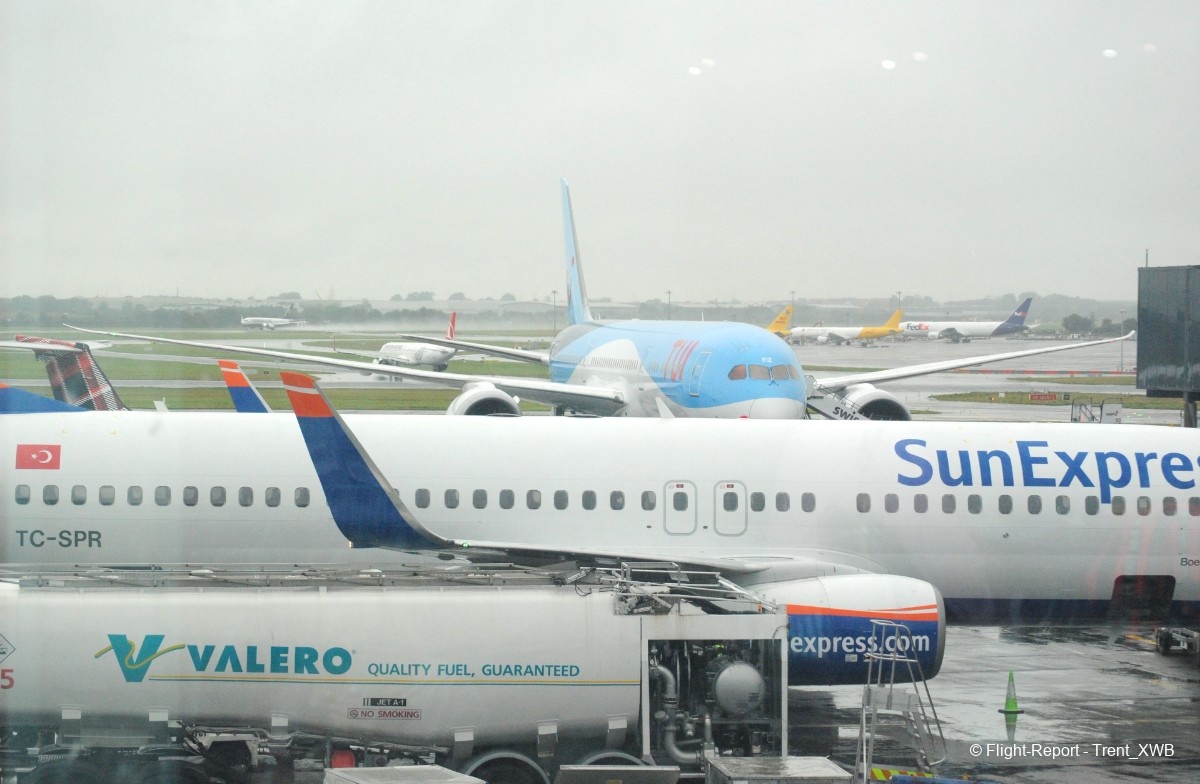
B789 (SE-RFZ) of TUIfly Nordic and TK A21N, departing for IST.
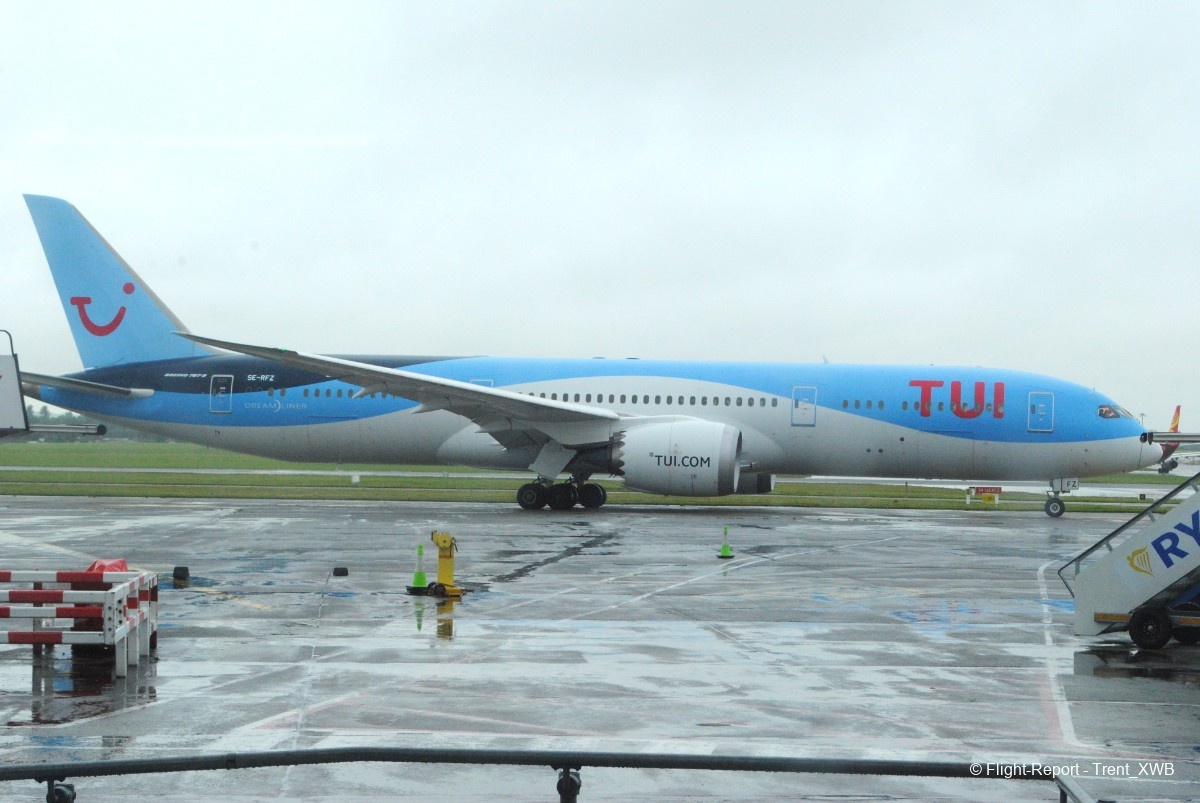
SE-RFZ departing.
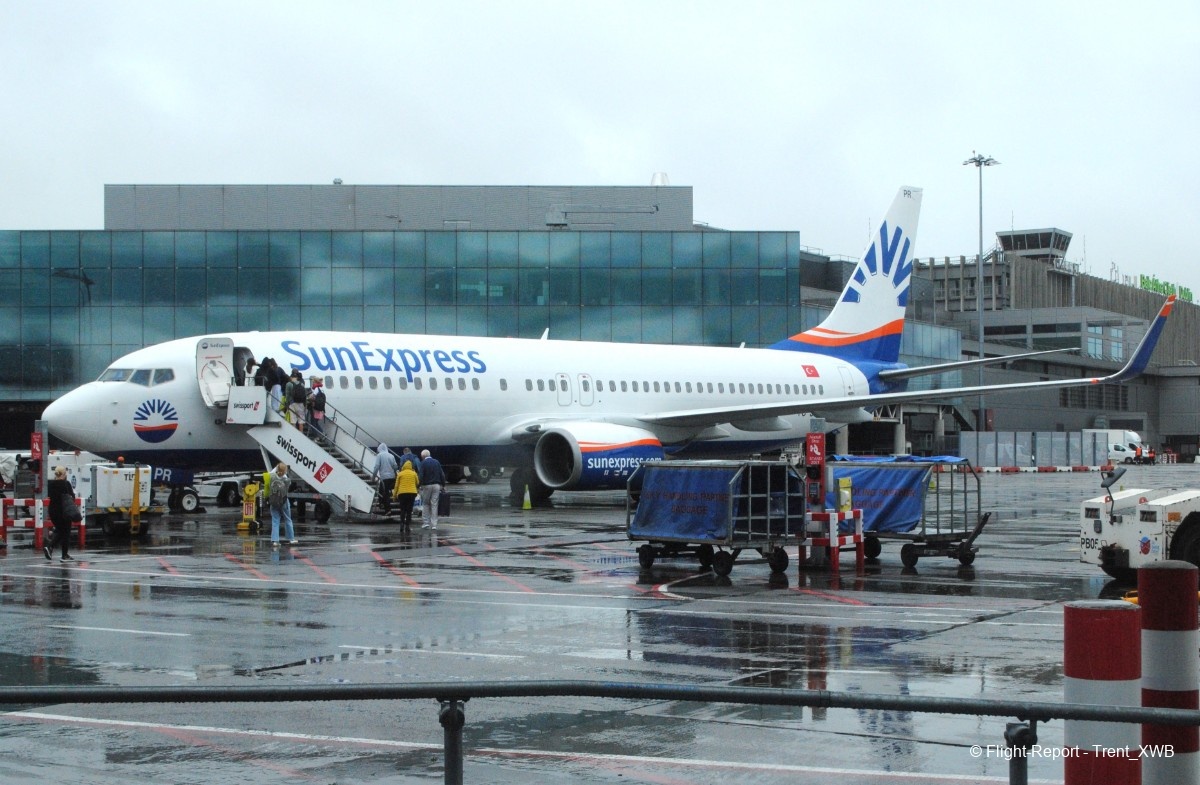
B738 (TC-SPR) of Sun Express, which is about to depart from rainy Ireland to the scorching summer heat of Turkish Riviera.
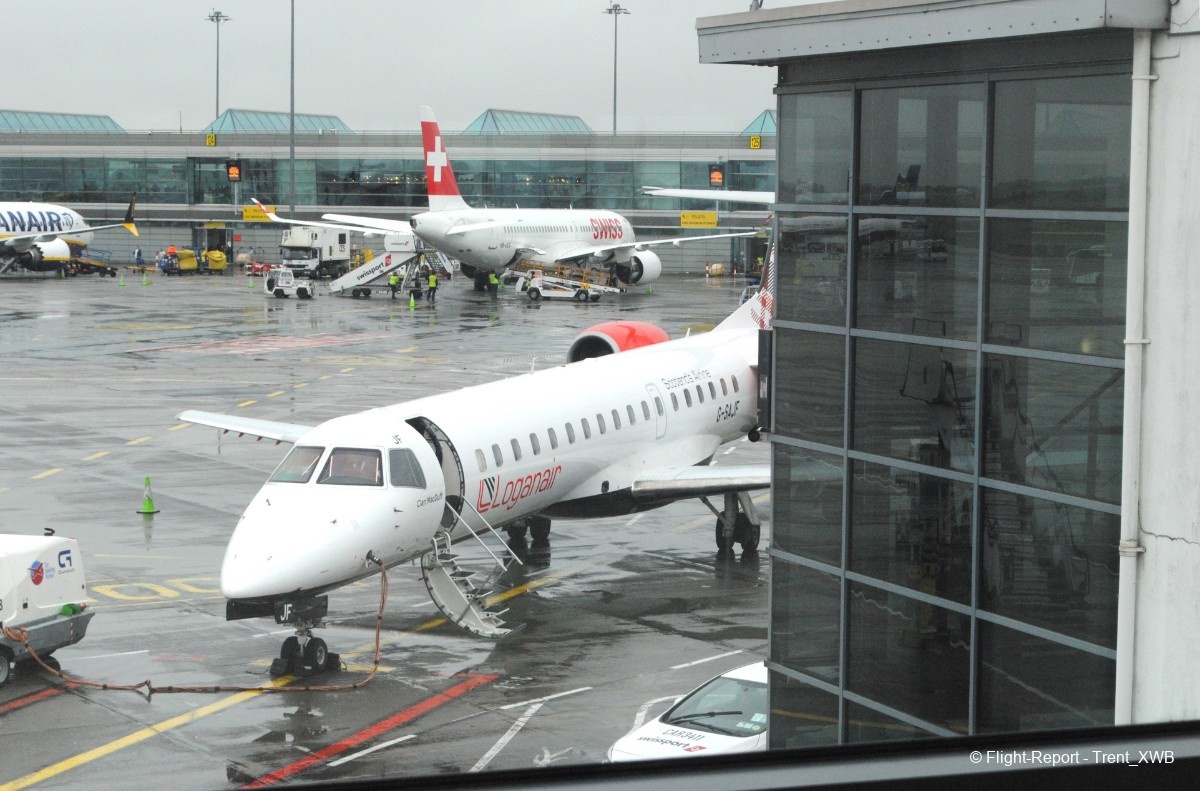
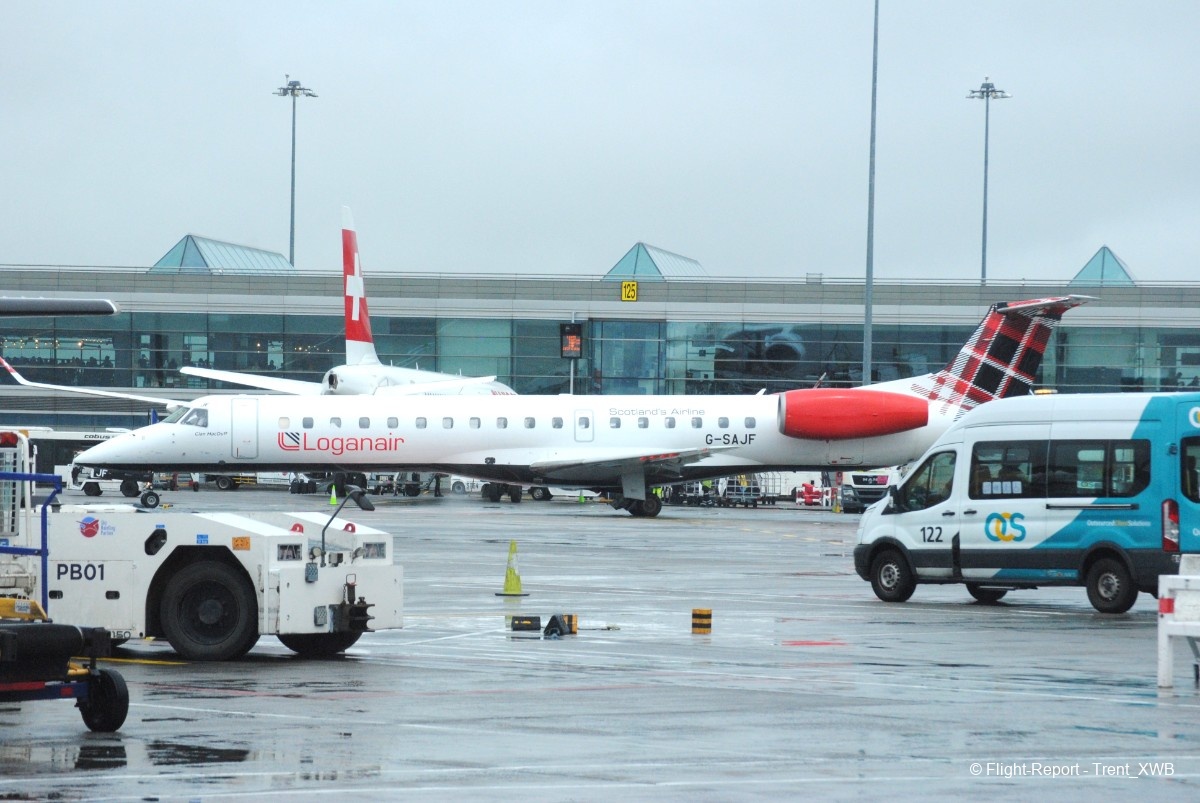
Rare E145 (G-SAJF) of Loganair and LX A223 (HB-JCS). Loganair is one of the most interesting small carriers of the UK.
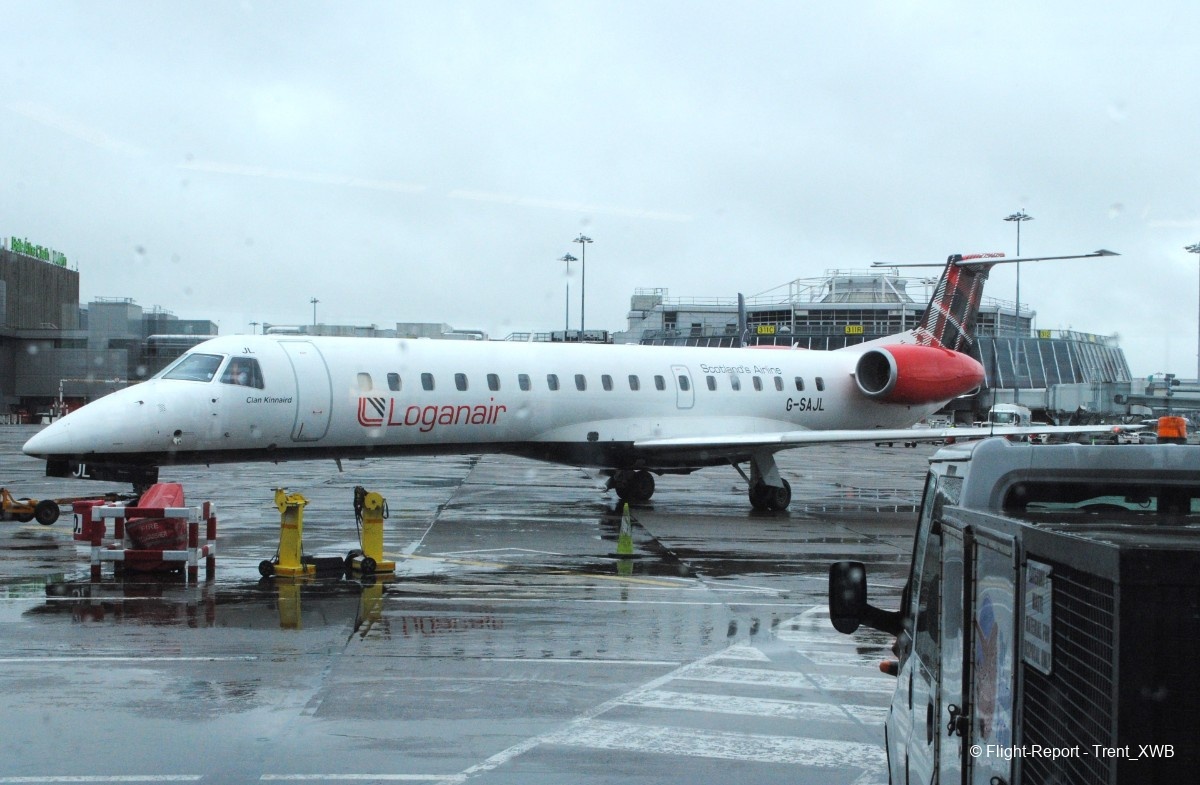
Another Loganair E145 (G-SAJL). On the backdrop is 3XX pier.
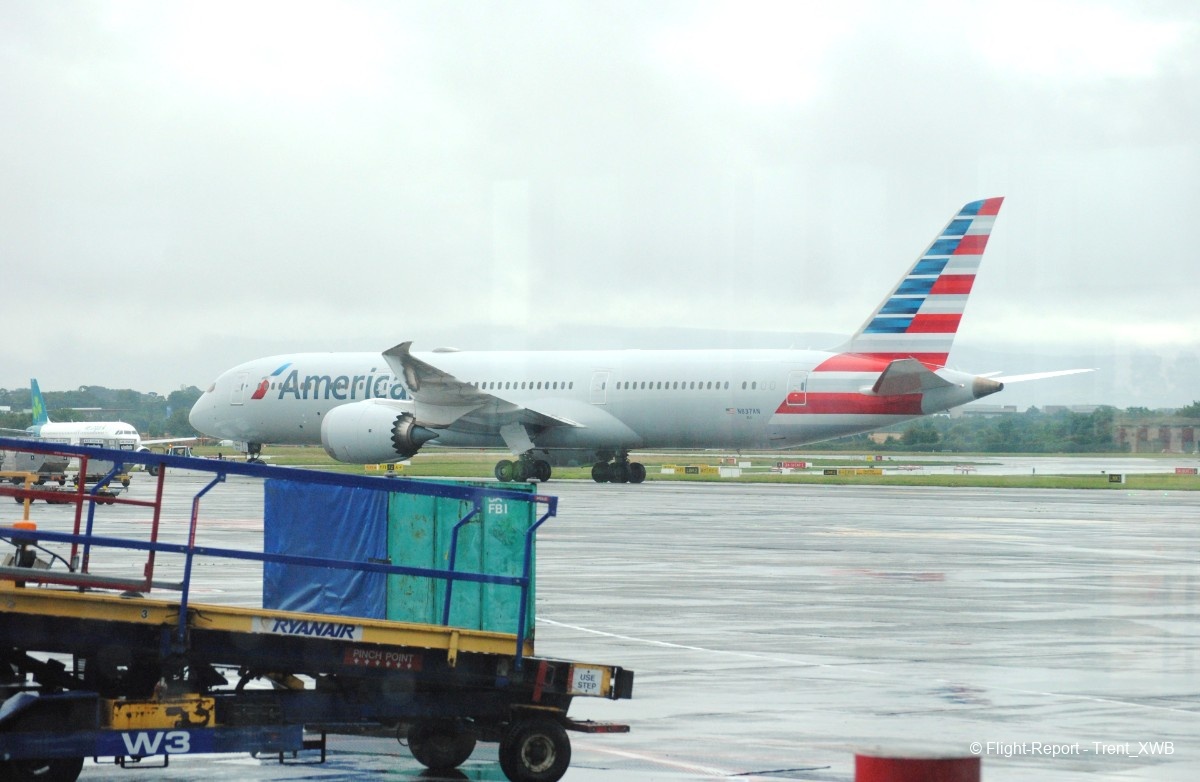
AA B789 (N837AN).
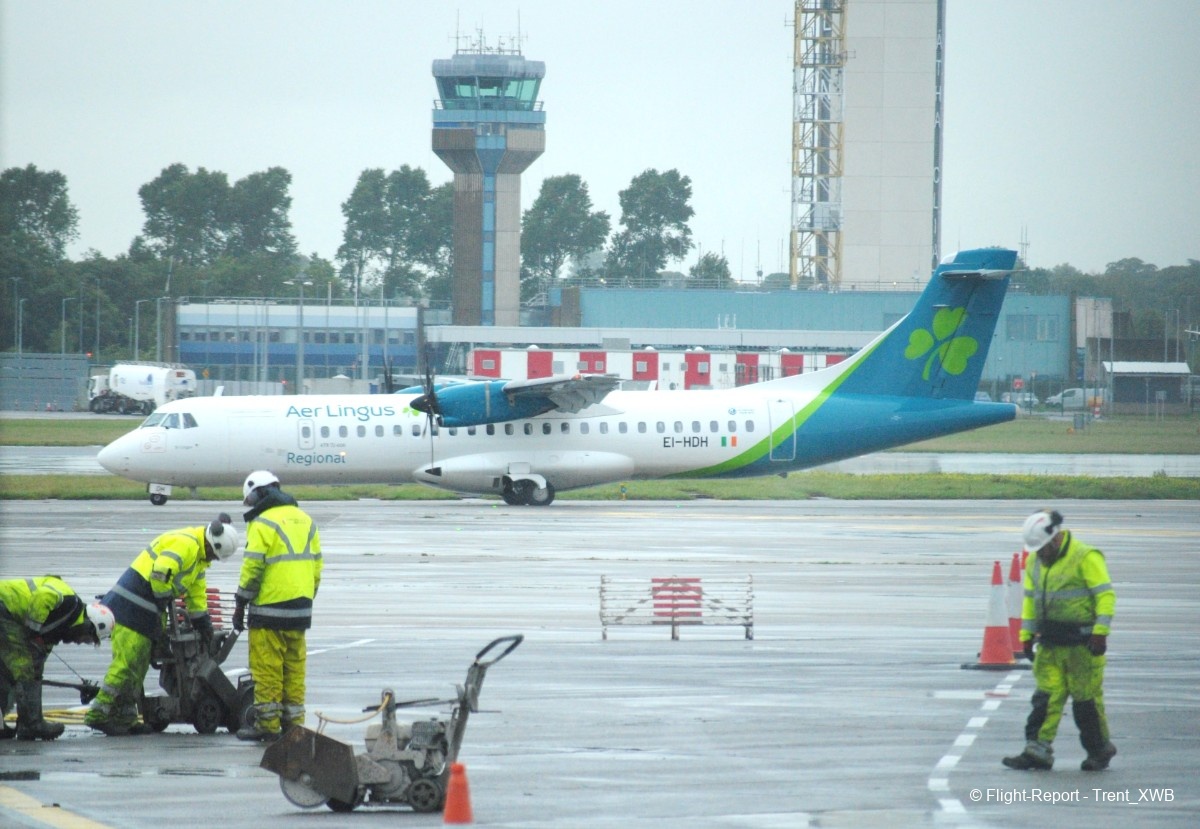
AT76 (EI-HDH) of EI Regional.
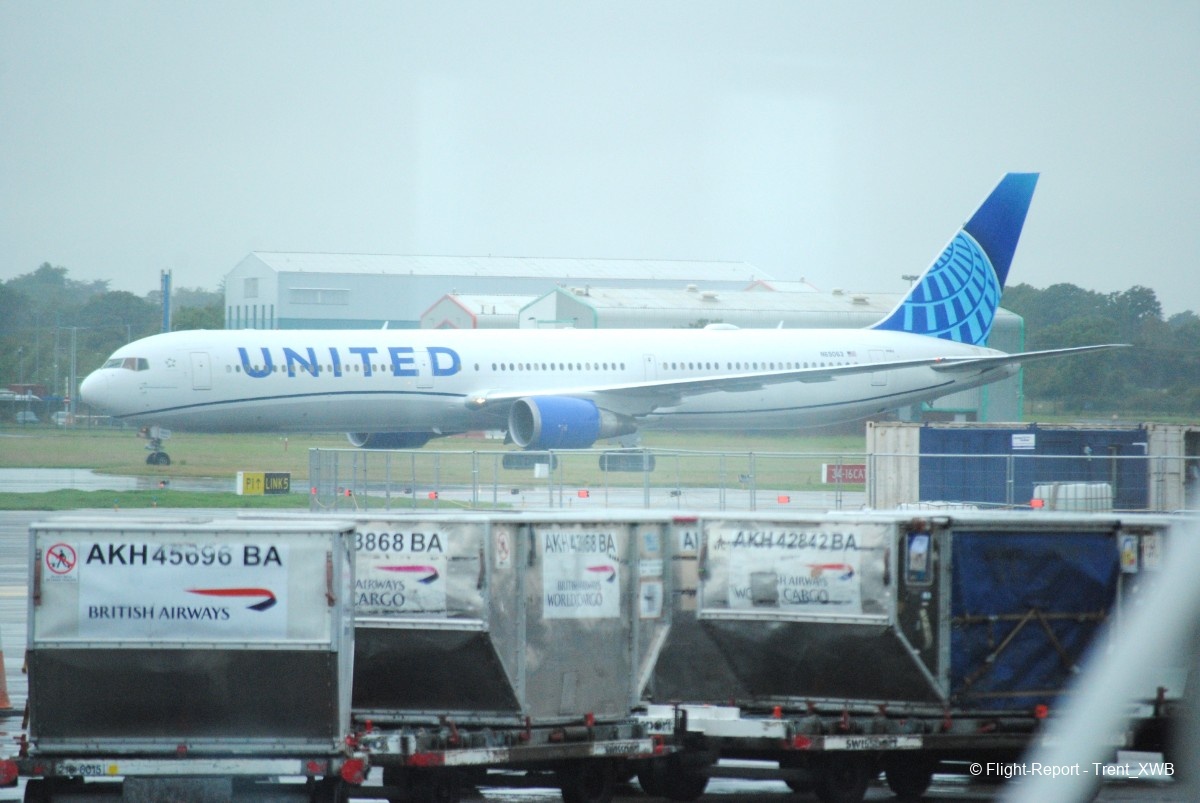
2002-built UA B764 (N69063) - one of the last-built B764s. Sadly, I cannot fly this type as I'm ineligible to enter the US and there are no 5th-freedom DL or UA flights on B764s outside the US. Also, it's highly unlikely that any B764 will find a 2nd life in passenger service with non-US carriers after retirement from DL and UA.
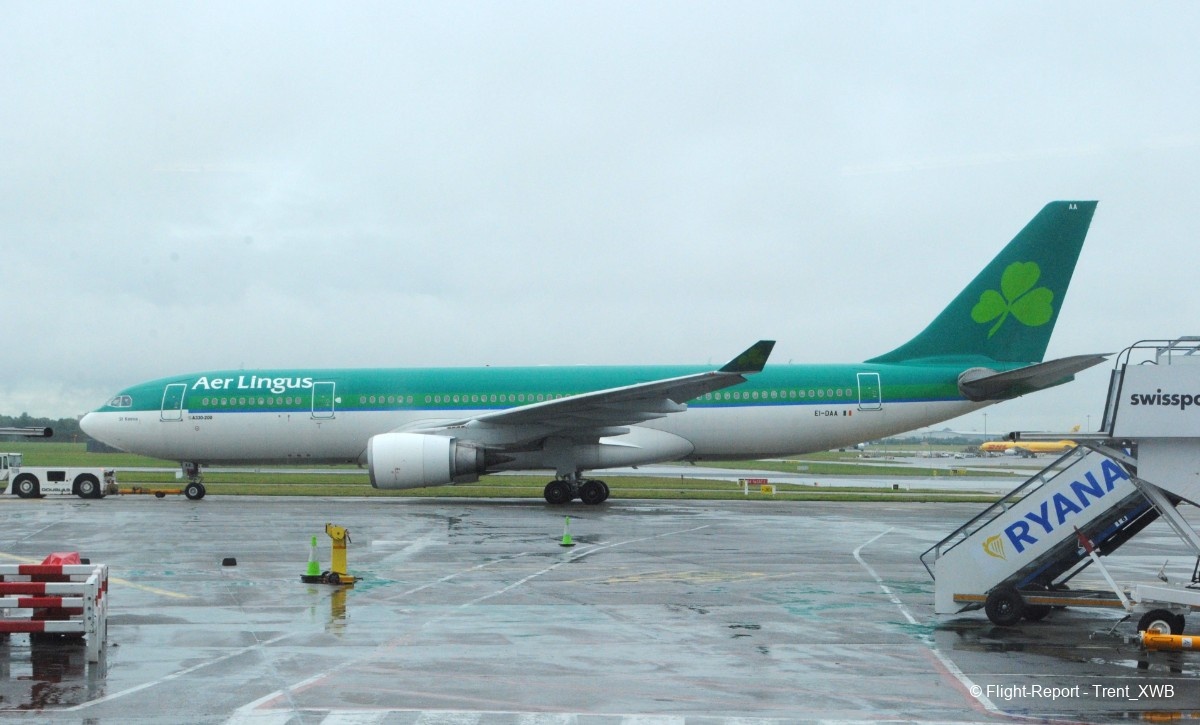
2001-built EI A332 (EI-DAA) in the old livery.
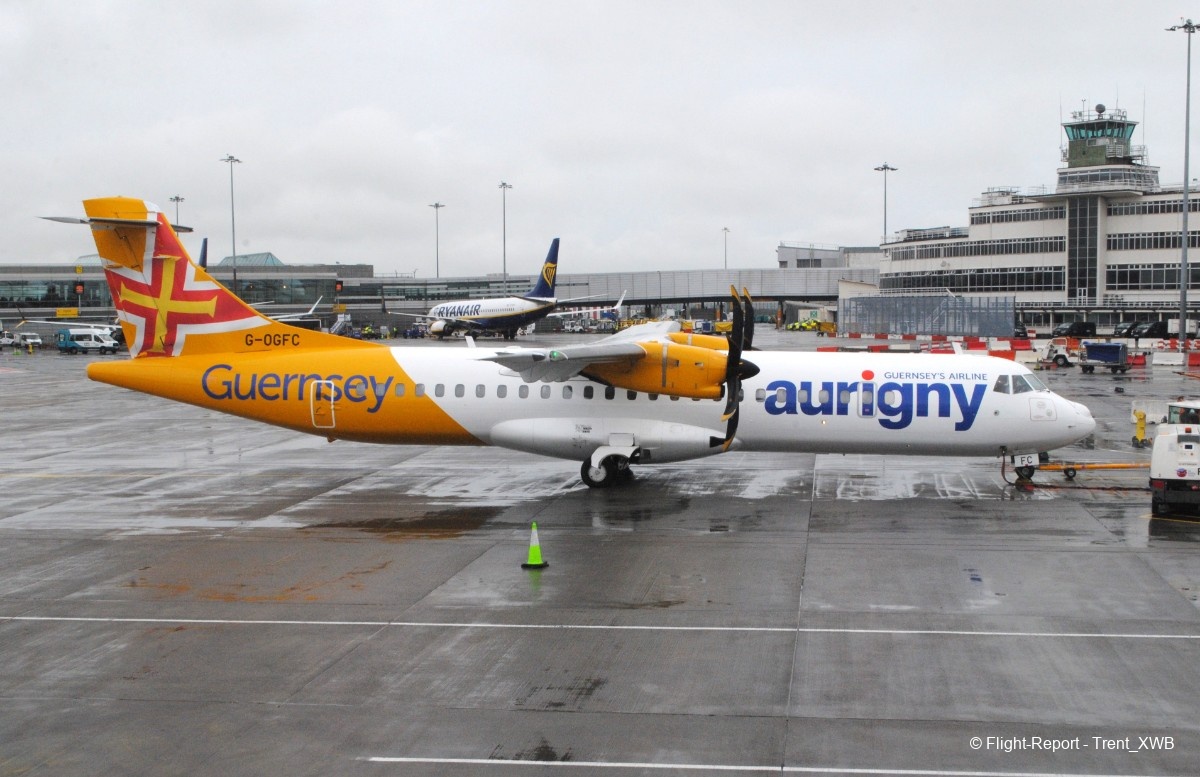
2019-built AT76 (G-OGFC) of Aurigny and a B738 of omnipresent Ryanair in its home hub.
The Aircraft
My flight from Dublin to Heathrow was operated by 2020-built A20N (G-TTNM). All the BA A20Ns have CY180 layout, but the first 20 ones (G-TTNA to -TTNU) have a very unpleasant feature of their cabins one has to be aware about (see further).
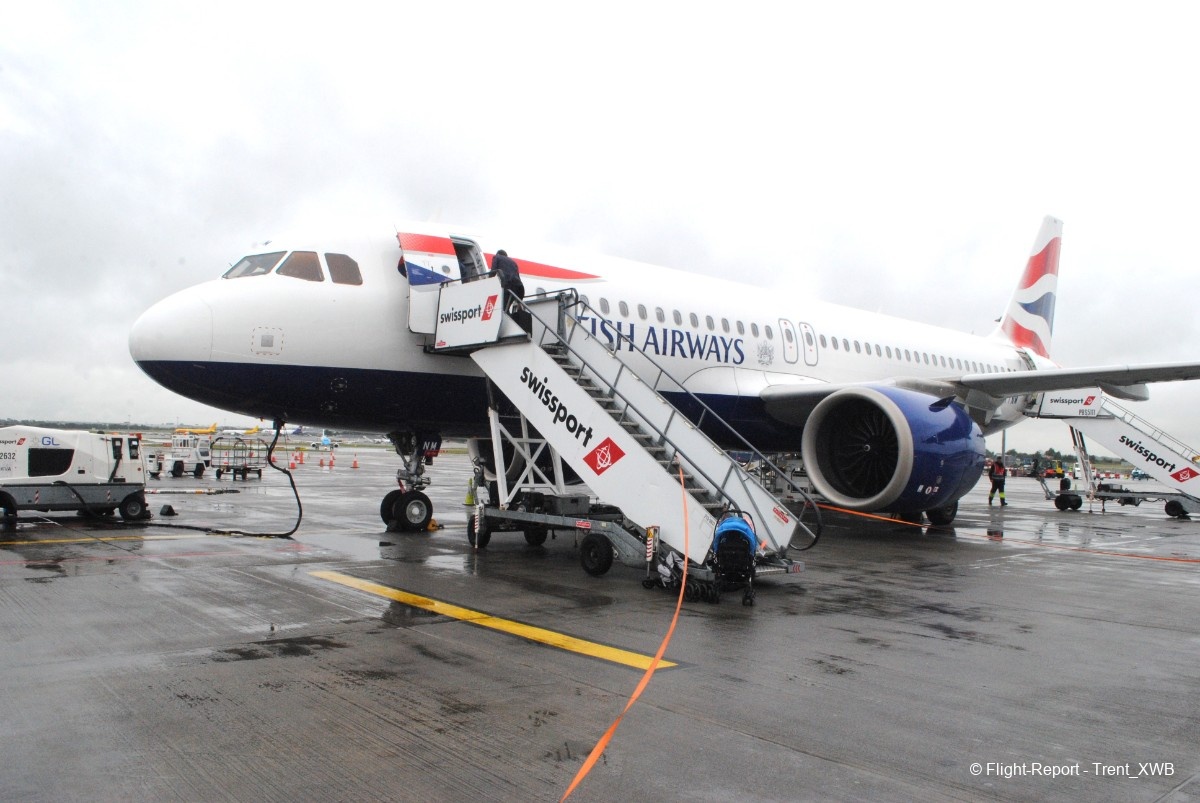
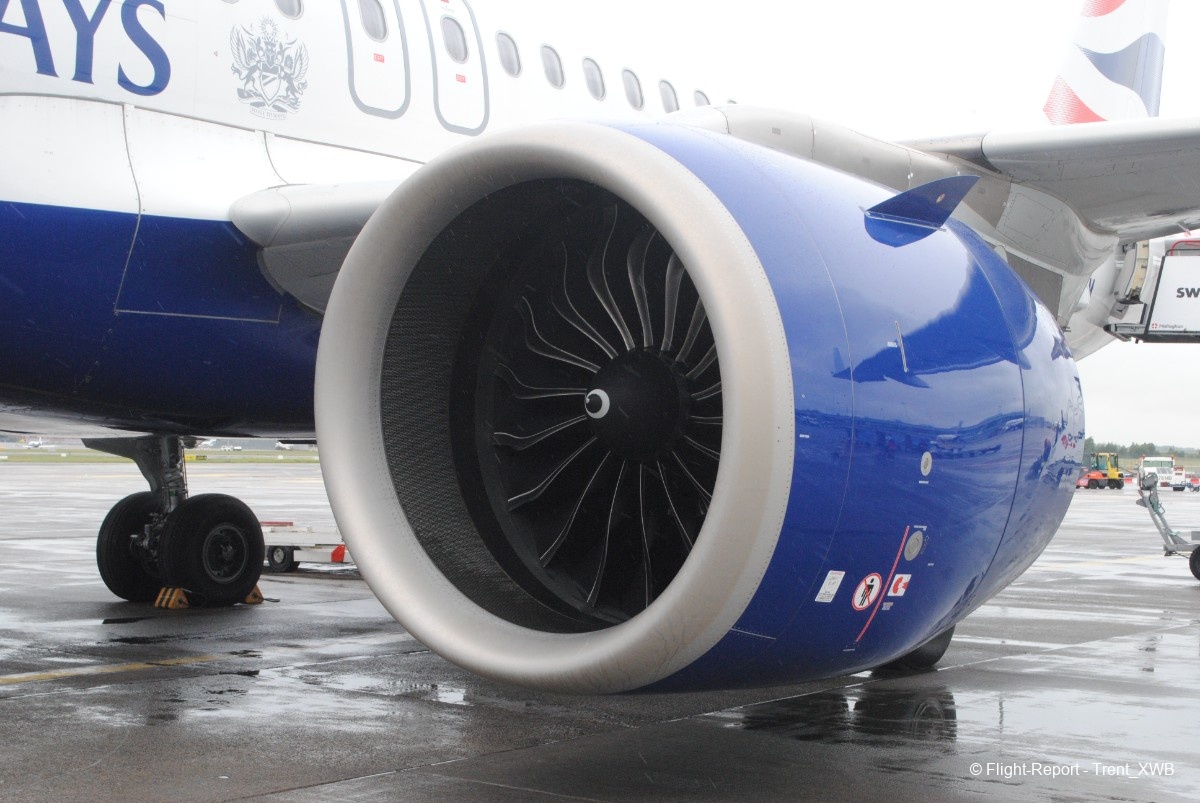
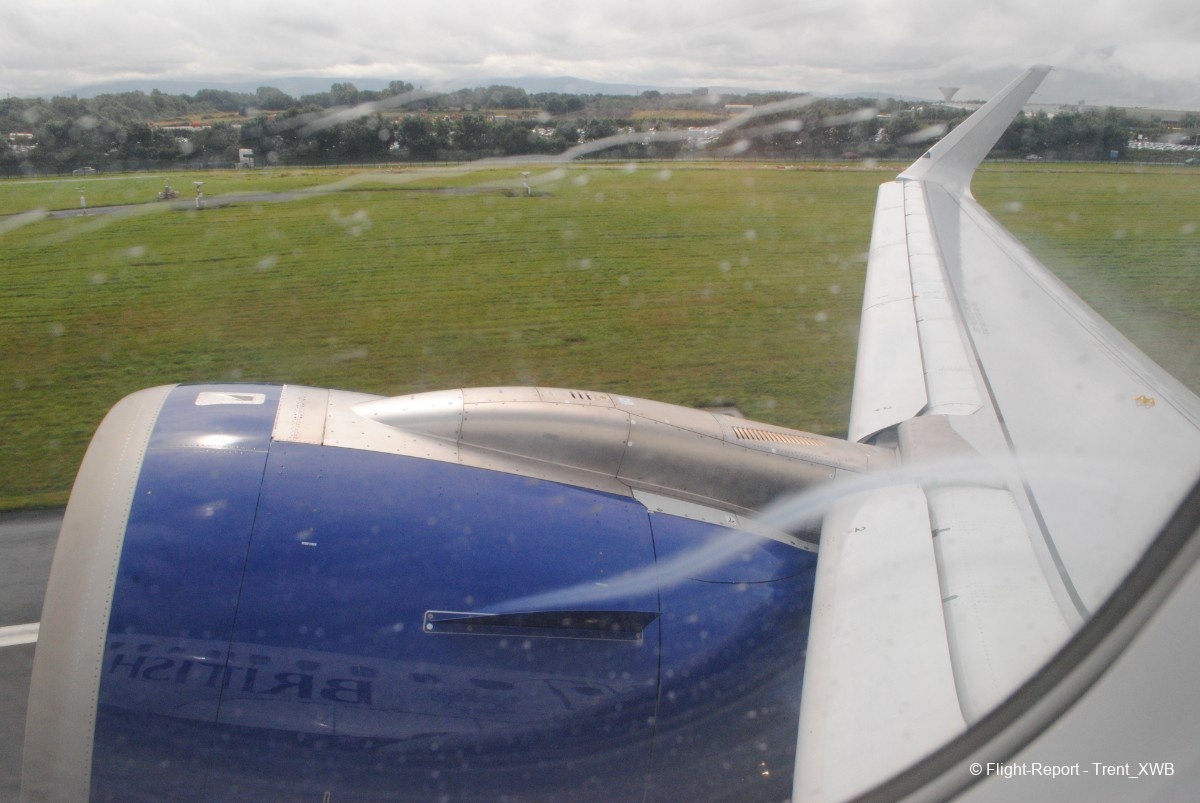
All the BA neos are CFMI-powered. In light of the infamous PW durability issues, BA made the right choice of the powerplants.
The Economy Seat
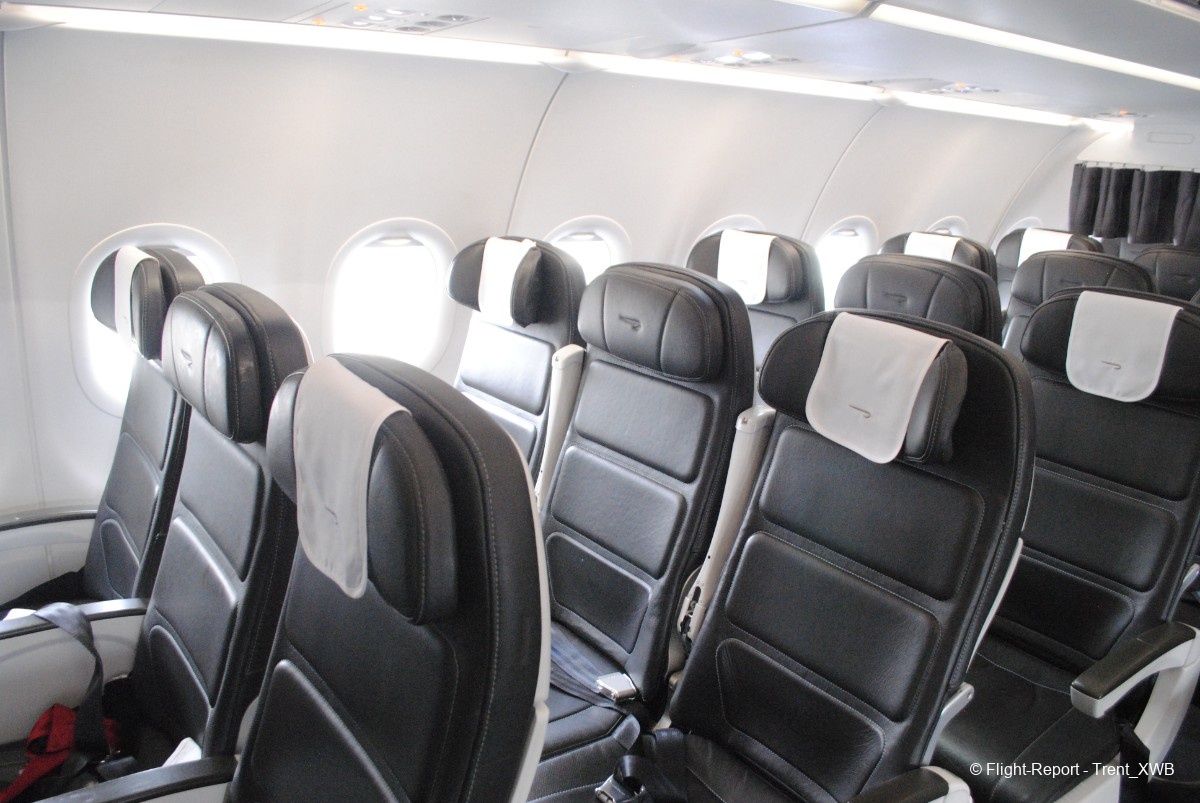
My seat 8F was right after the eurobusiness. I chose the seat in the front part of the cabin to save time while disembarking in LHR, and it was the right choice: in the aforementioned first batch of BA A20Ns only rows 1 to 12 have very decent seat model - Collins Pinnacle, while the rest (13 to 30) rows have dull low-cost non-recliners Recaro SL3710 seats, similar to the ones in JetSMART A20Ns. The Collins seats in the front part of the cabin are very comfortable, with decent padding, adjustable headrest, leather upholstery, hard upper seatback compartment, single-piece tray table and soft lower seat pocket.
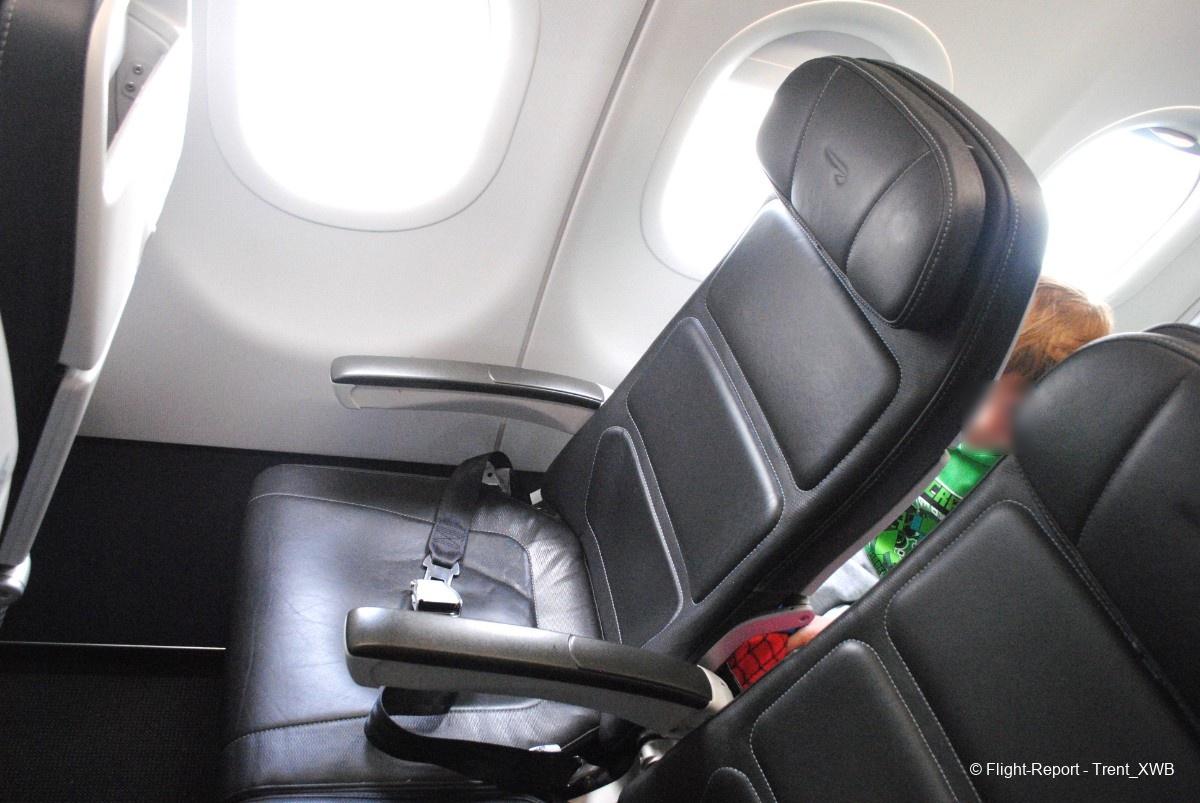
The seatwidth is generous 18.0", so kudos to BA for the comfortable front part of the aircraft.
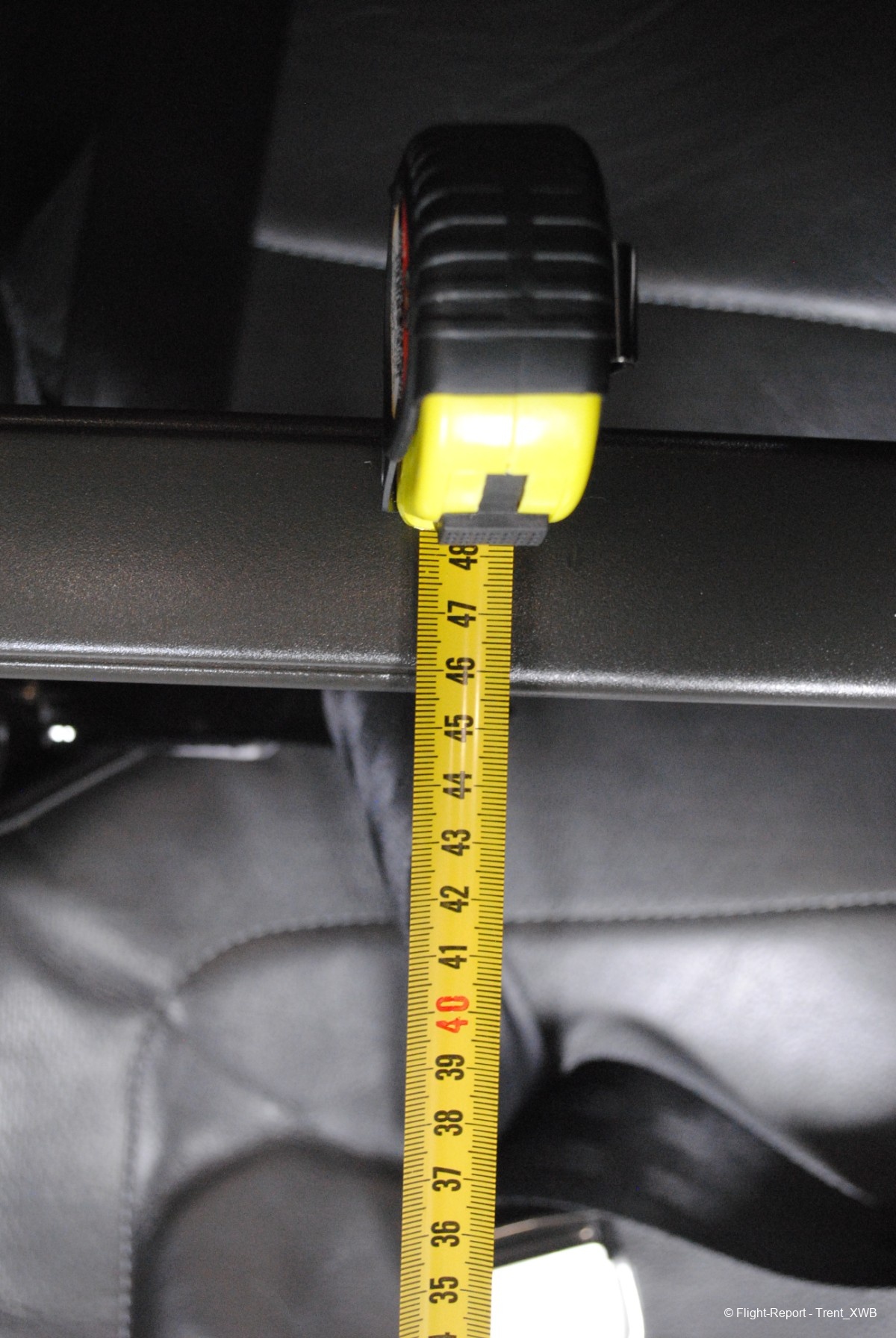
The legroom is decent, especially for this short flight.
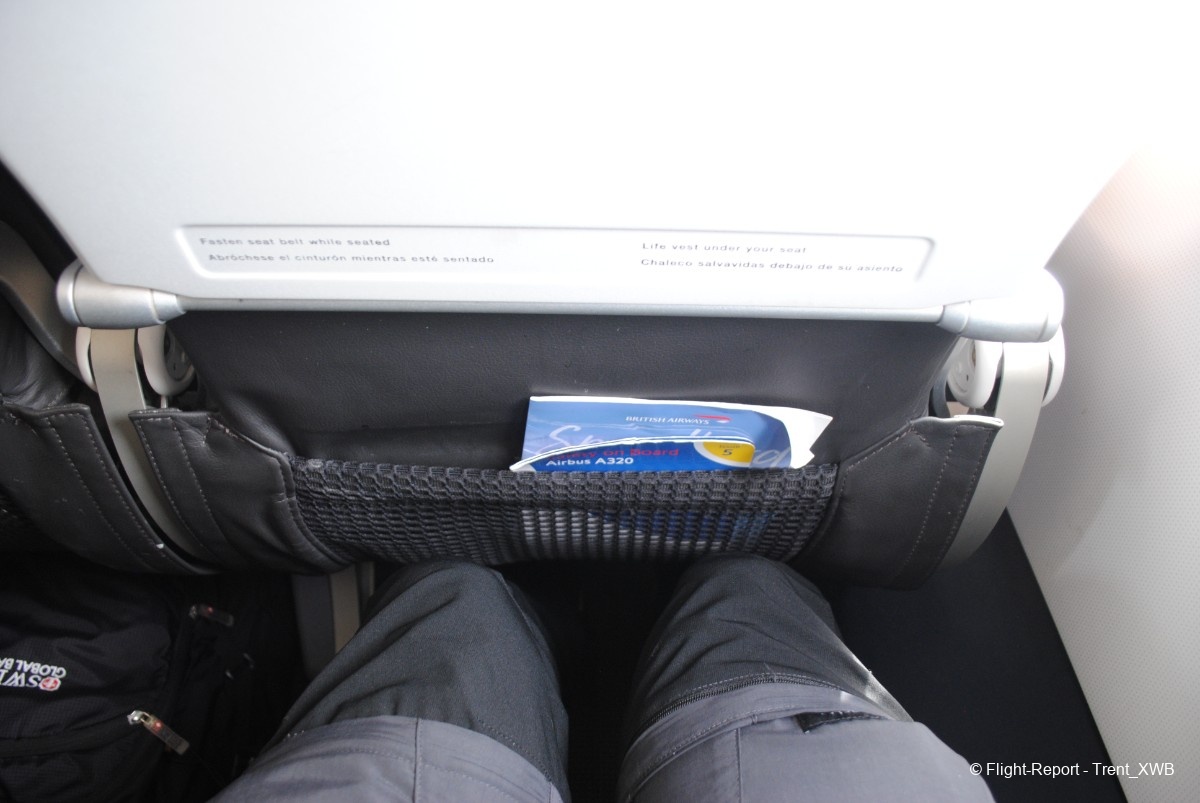
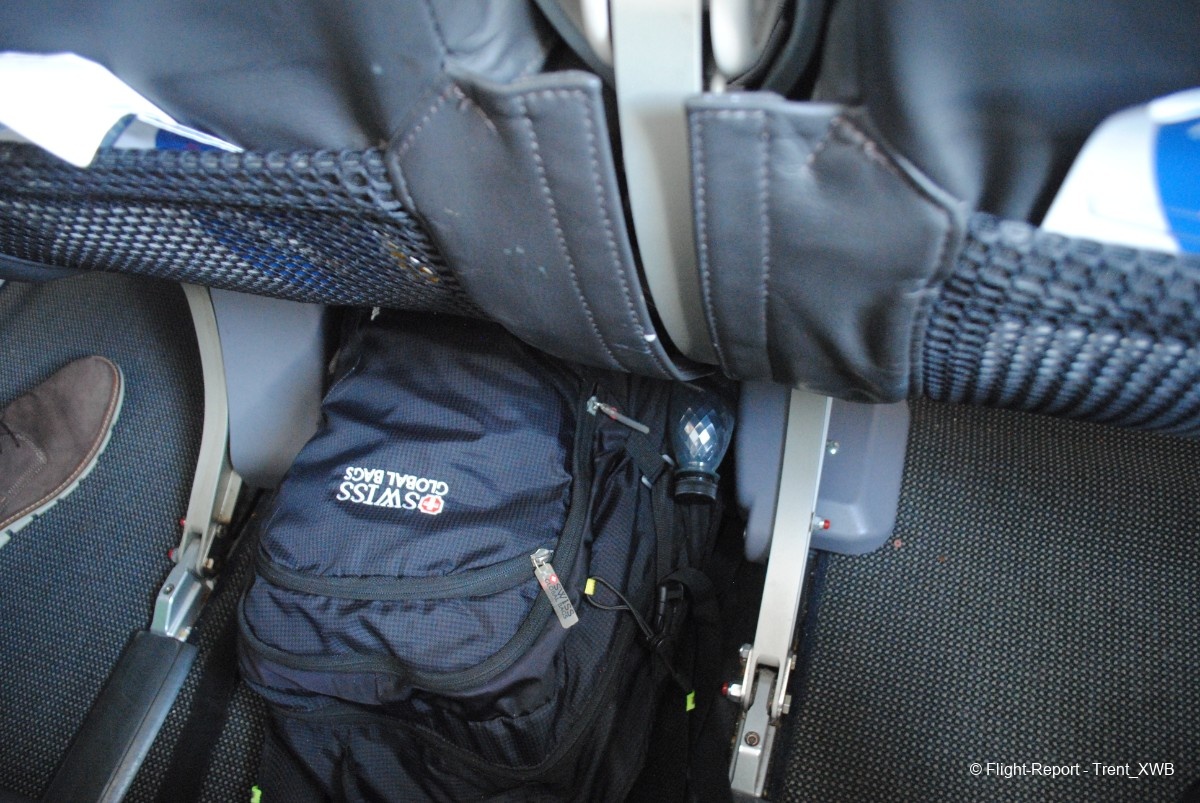
The middle seat (which thankfully remained empty, boosting the comfort level) has quite annoying underseat power boxes, but window- and aisle passengers are more lucky as the protrusion of these boxes into their space is quite insignificant and tolerable.
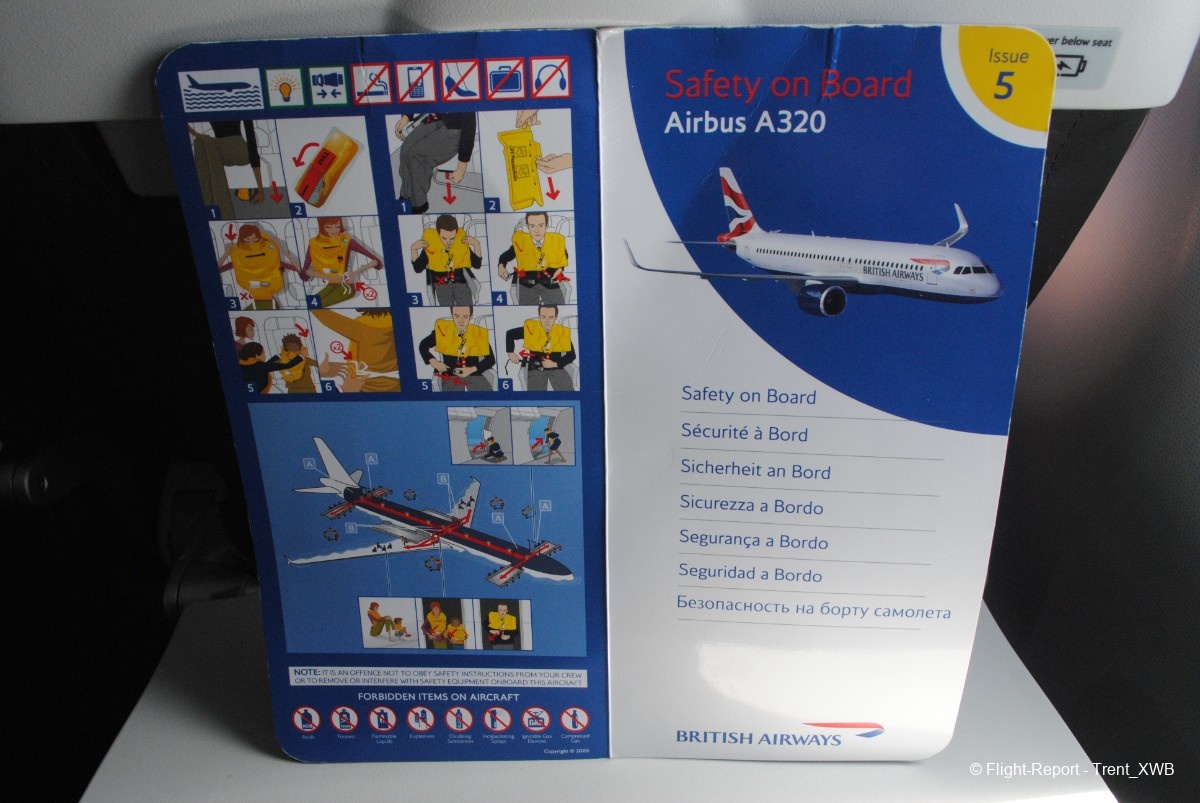
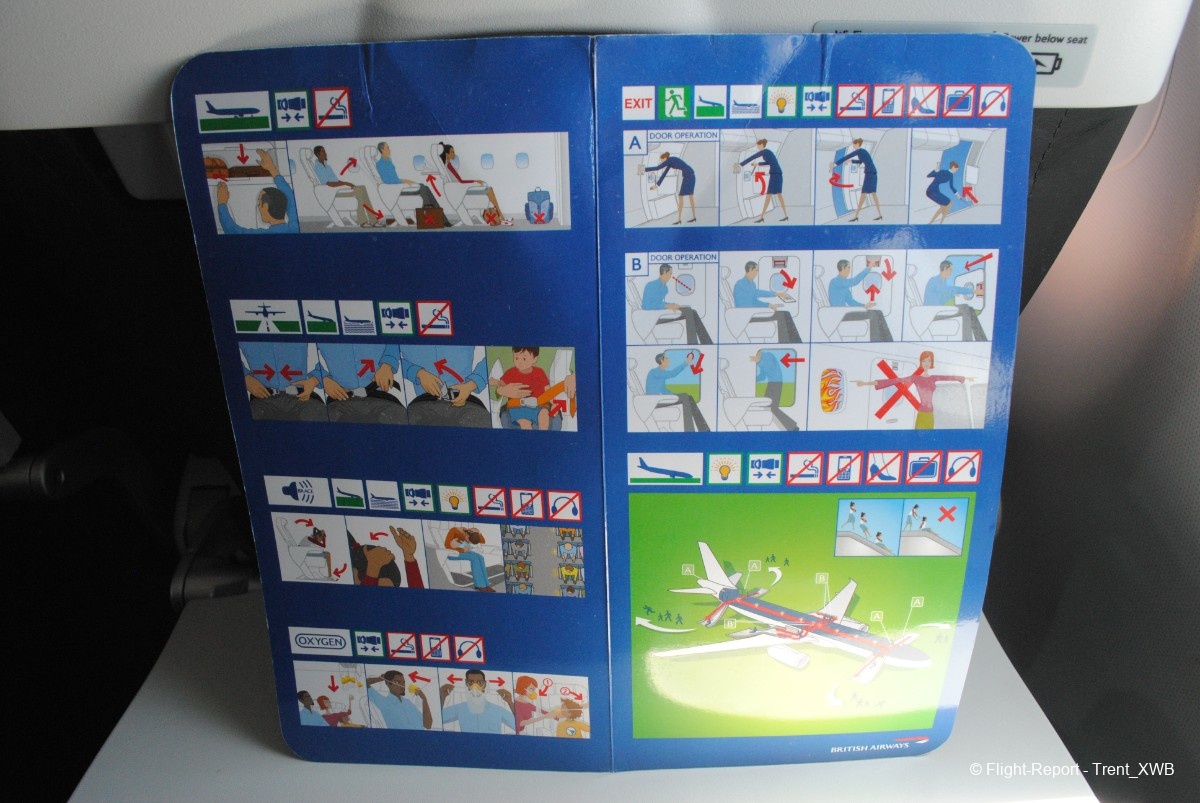
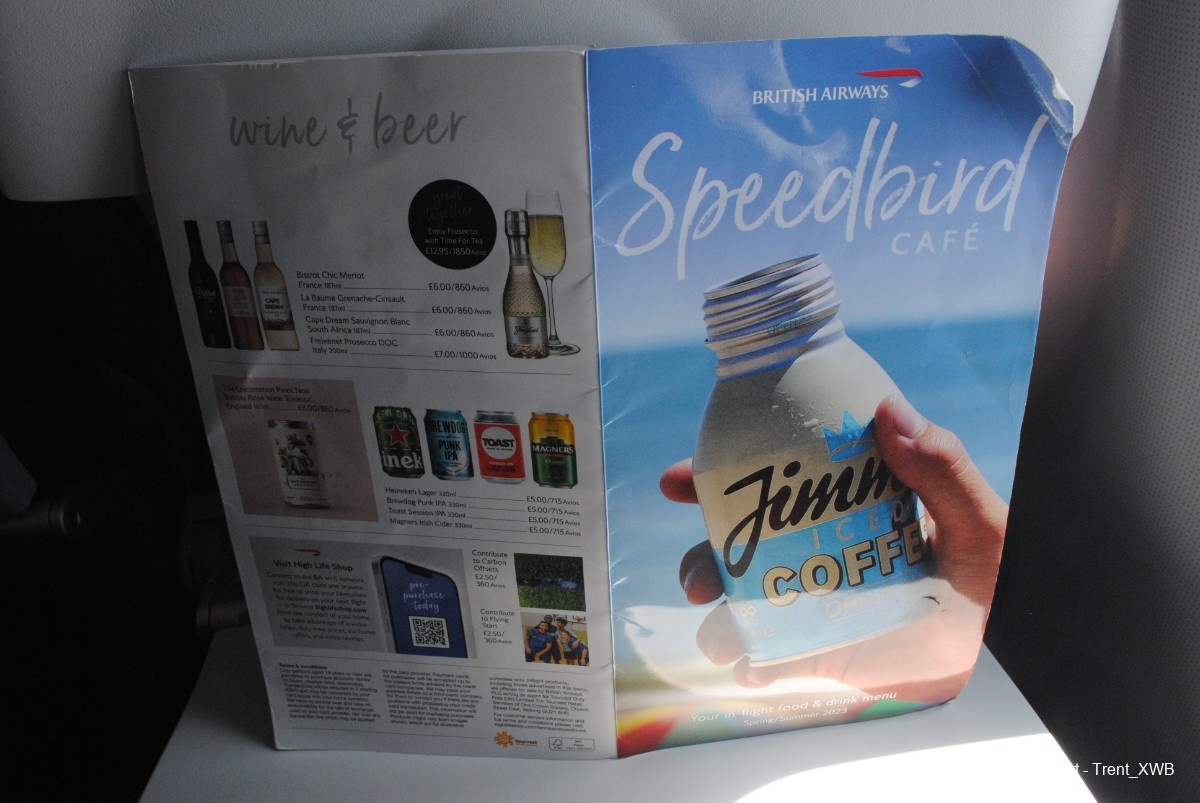
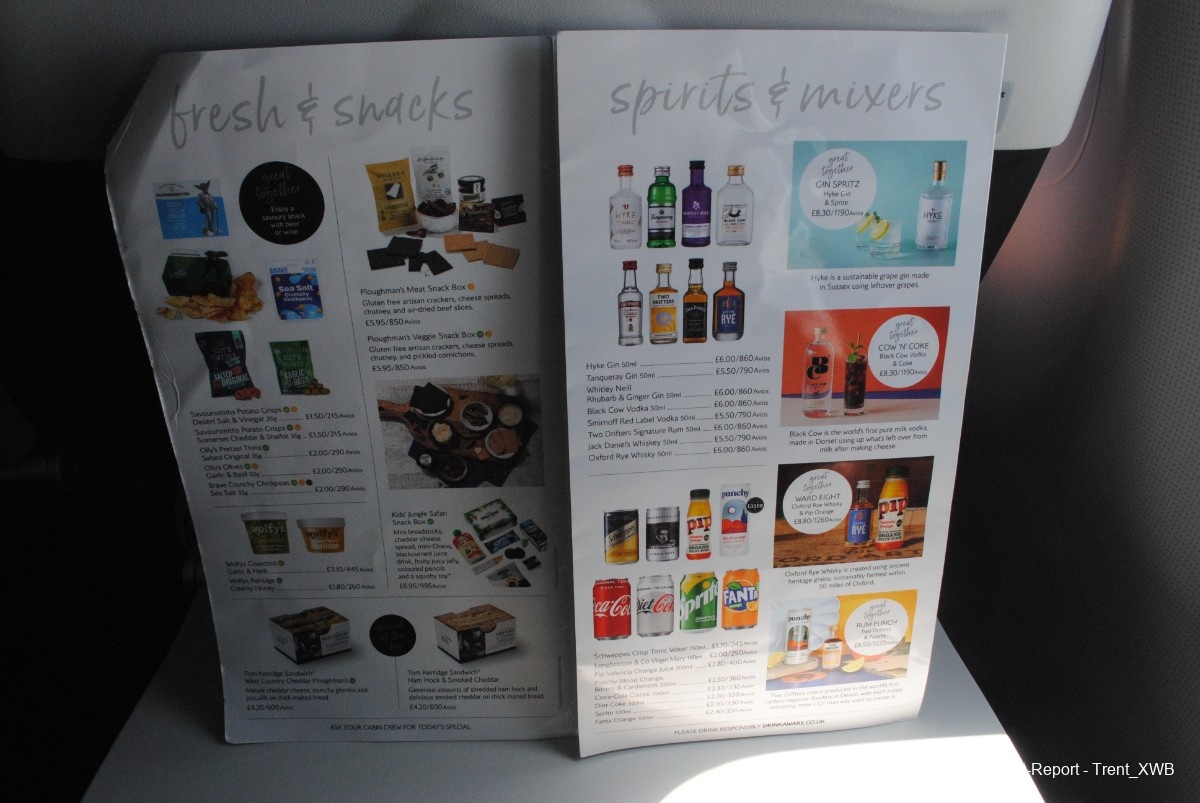
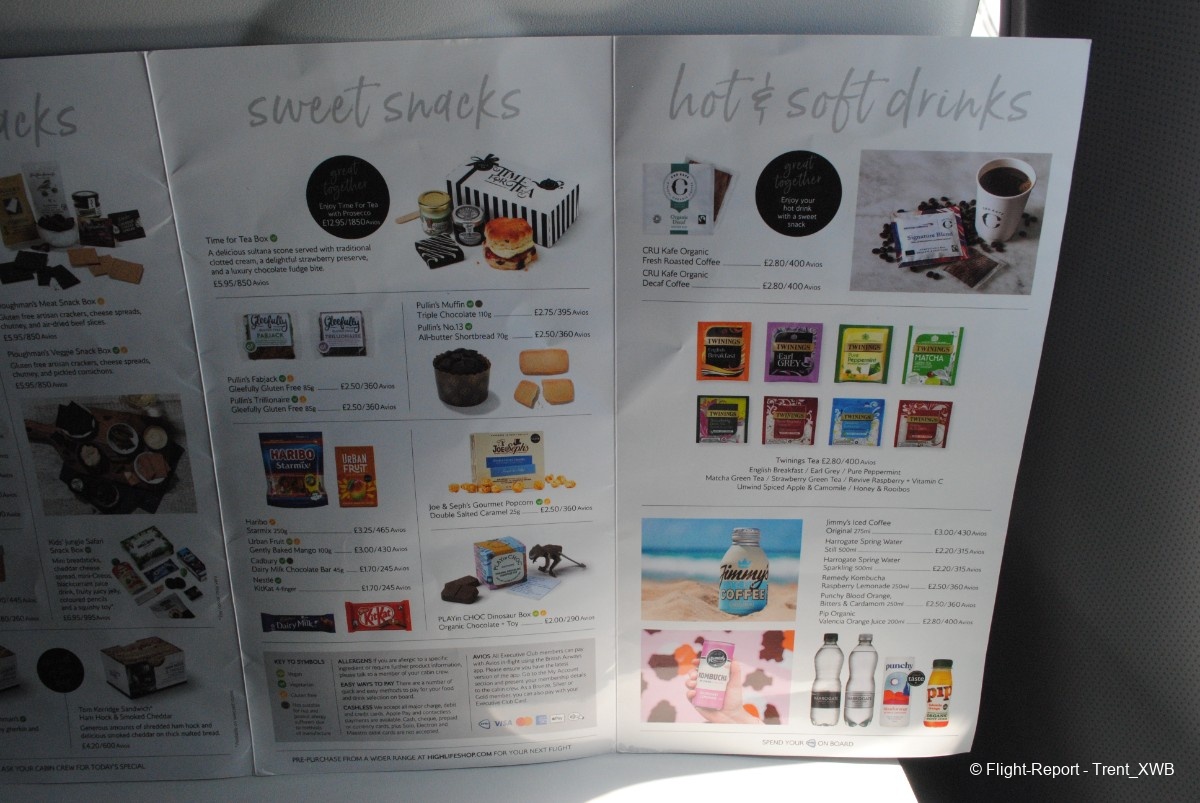
The seatpocket content: safety card and buy-on-board menu.
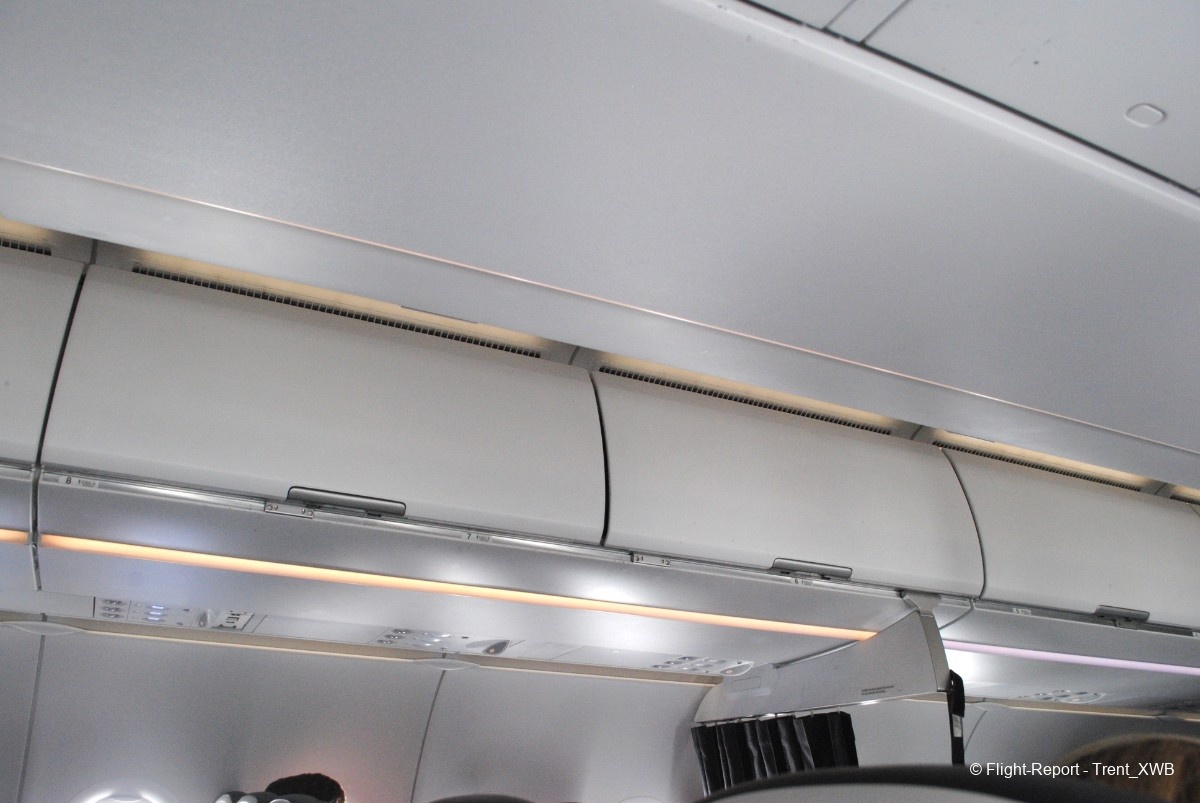
The overhead panel is standard for newer A320s and has airvents.
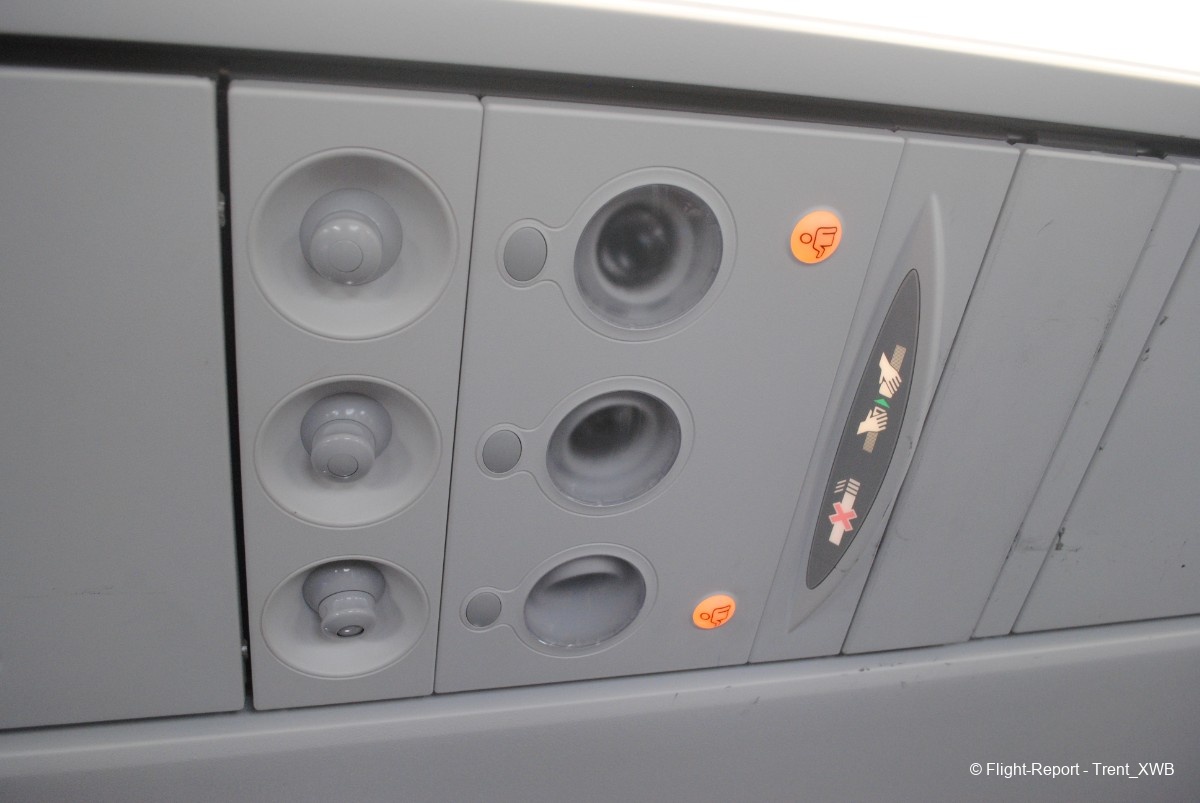
G-TTNM is the first BA A20N, featuring larger XL overhead bins.
The Flight
Planespotting during pushback and taxi was also very decent.
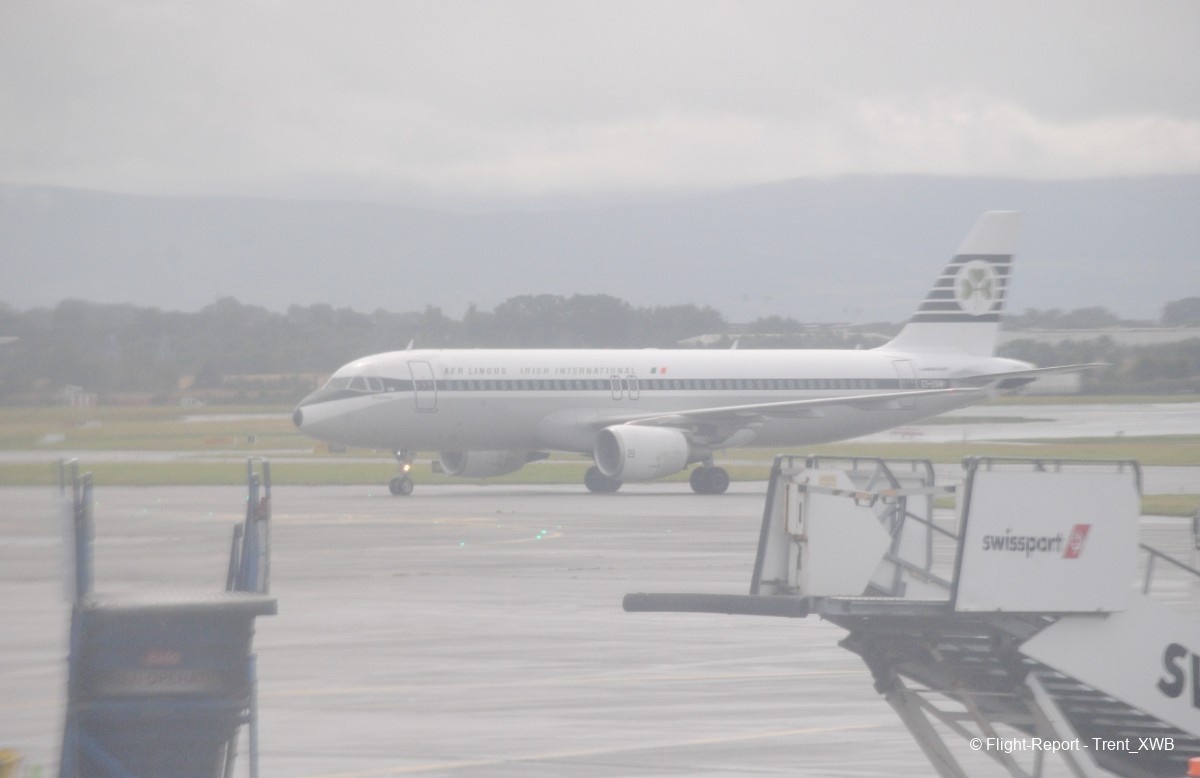
EI A320 (EI-DVM) in the retro livery.
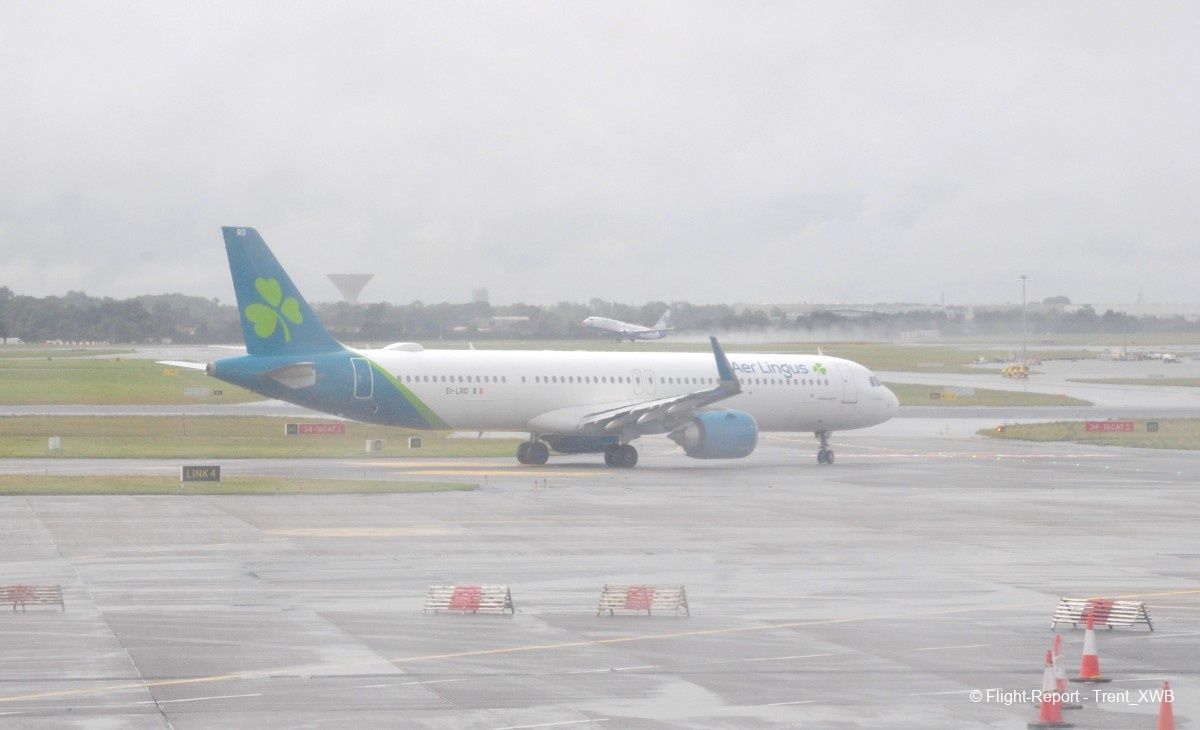
EI A21N (EI-LRD) in the LR modification. All the EI's LRs have C16_Y168 layout with 1-1 / 2-2 lie-flat business (Thompson Vantage). From December 2024 EI also operates XLRs, being its world's 2nd operator (the 1st is IB; initially EI was meant to be the 1st, but due to labor tensions in EI IAG favored IB with this title). EI's XLR cabins are identical to the LR ones.
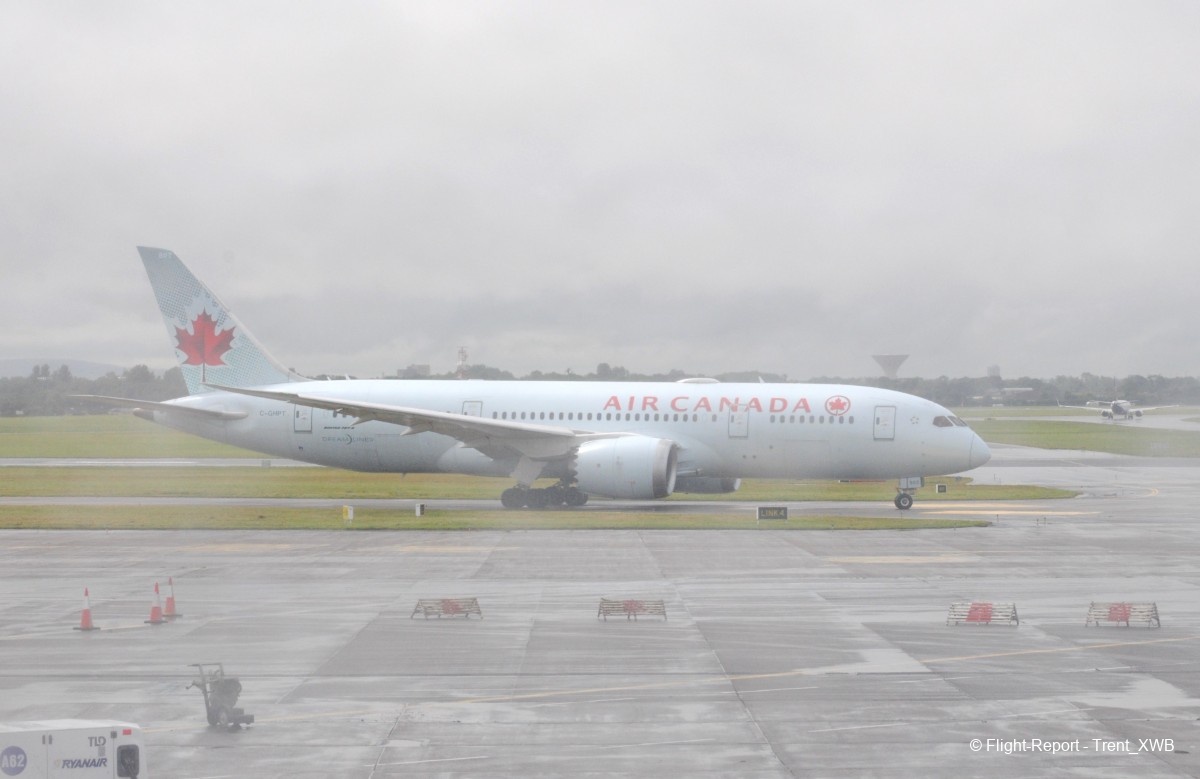
AC B788 (C-GHPT) in the old "mint toothpaste" livery. Soon in 2026 AC is going to join the 4th operator (after NH, UA and BA) of all the versions of Dreamliners, starting receiving B78Xs.
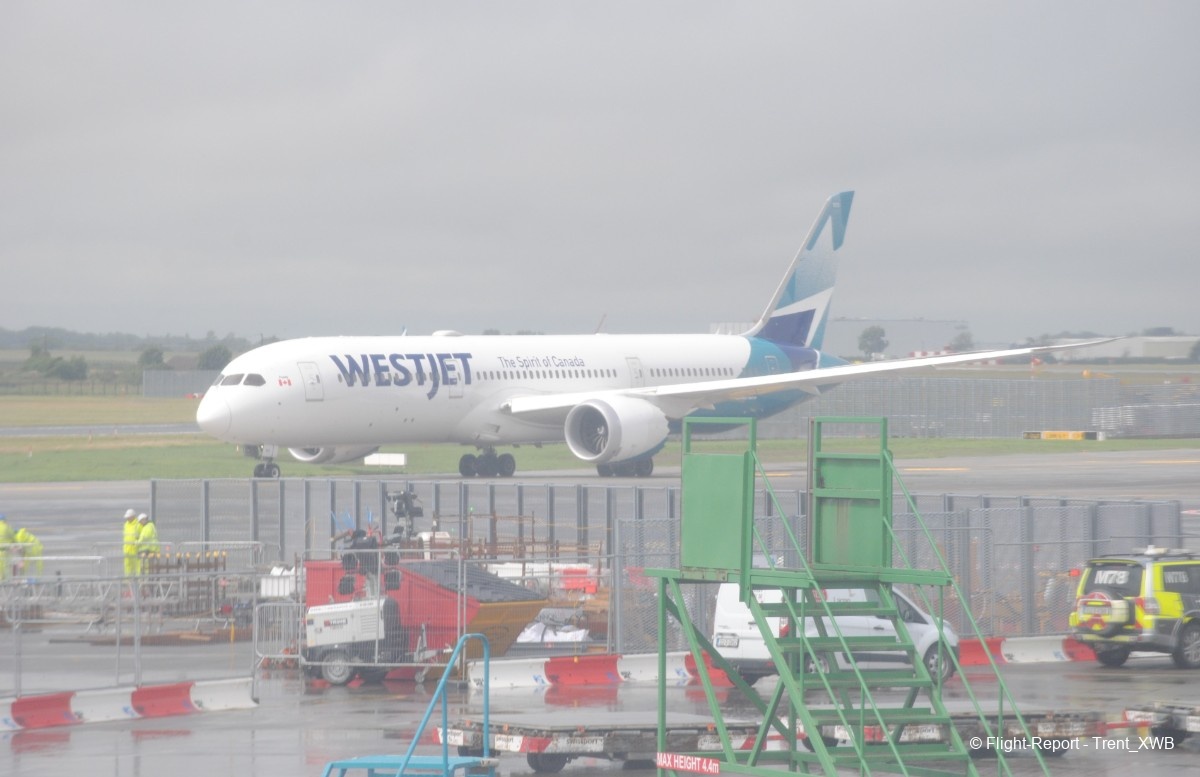
B789 (C-GKKN) of WestJet.
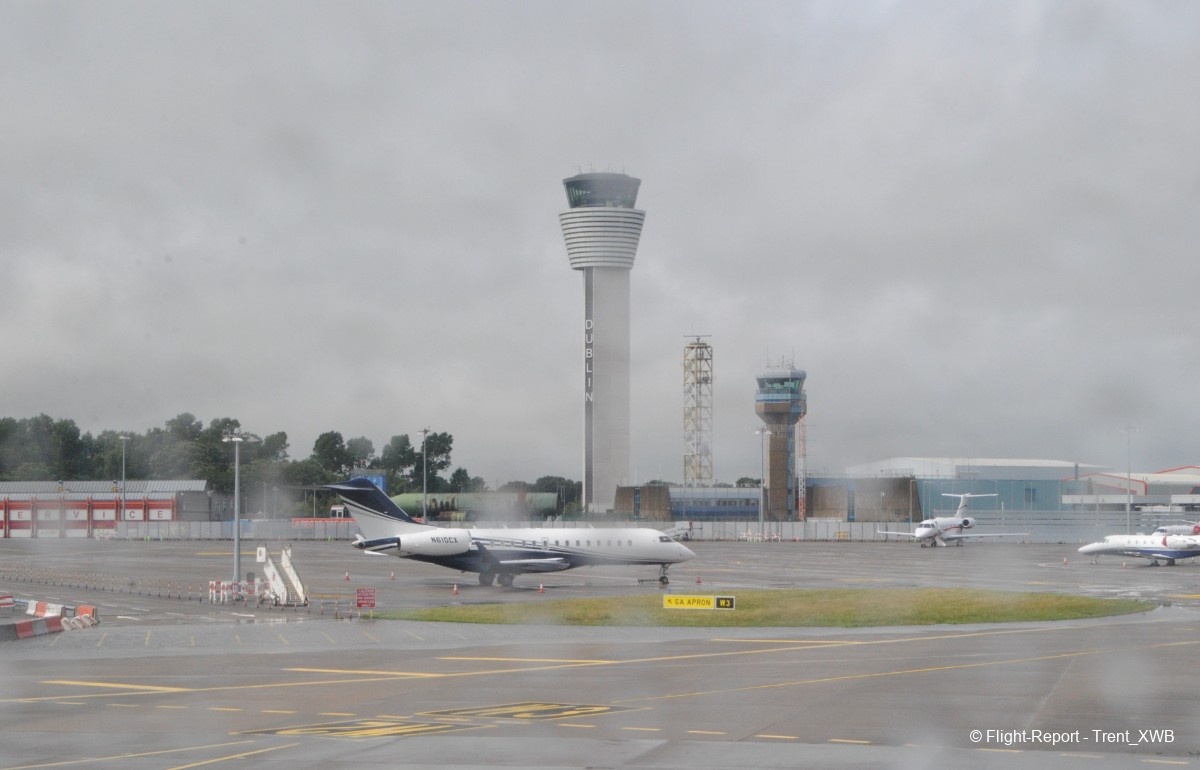
Bombardier Global 6000 (N610CX) and some other private jets at the dedicated parking, and ATC towers.
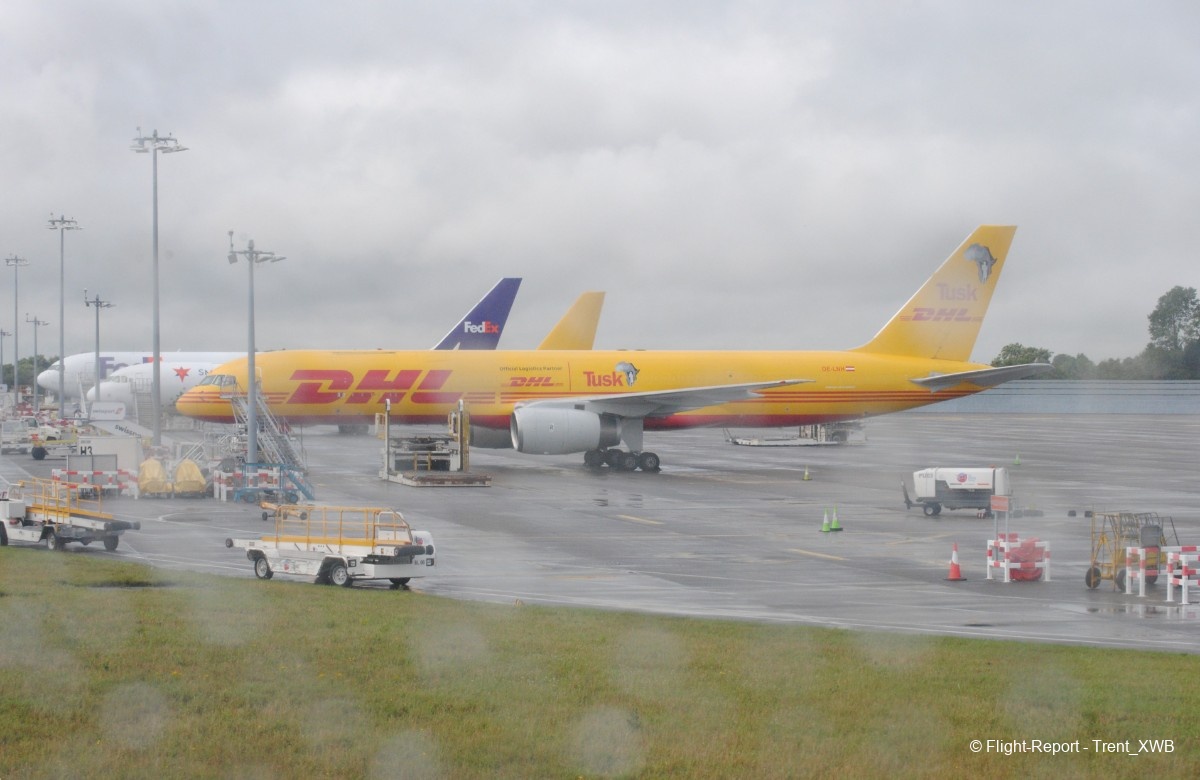
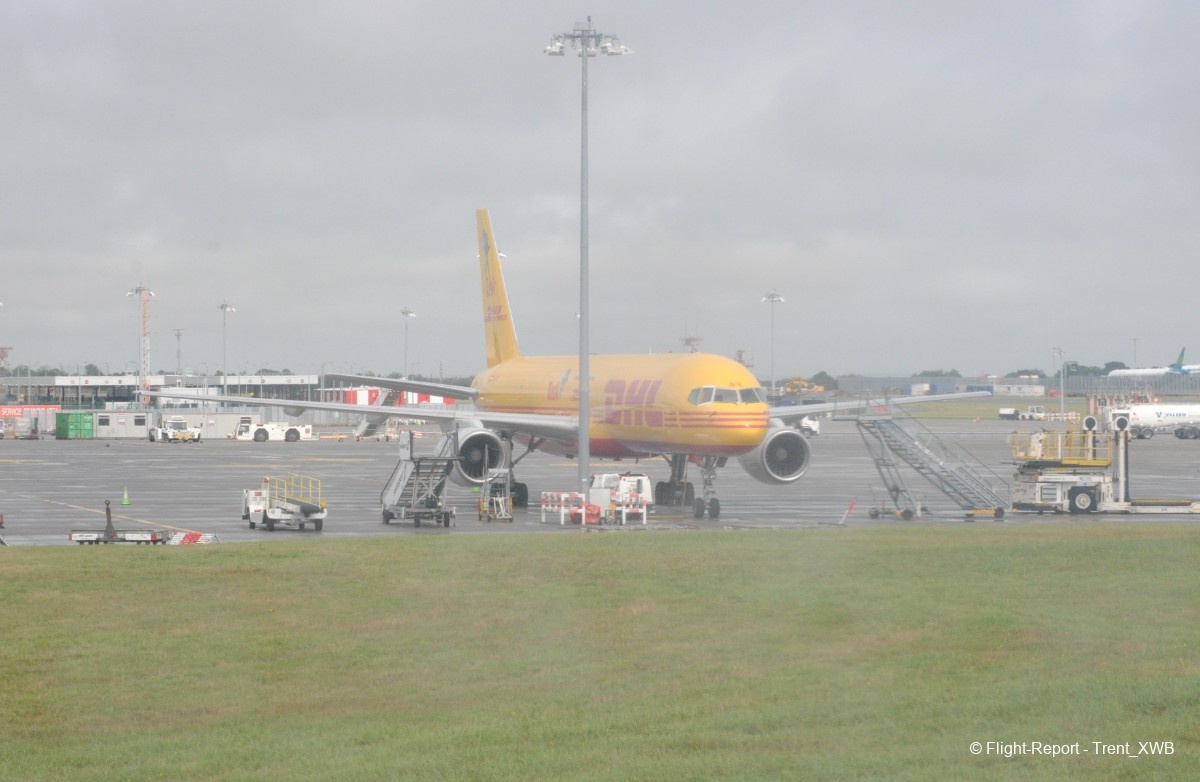
1999-built RR-powered B752F (OE-LNH) of DHL Aviation, which was a passenger one in its previous life.
1999-built A321P2F (9H-CGB) of SmartLynx Malta.
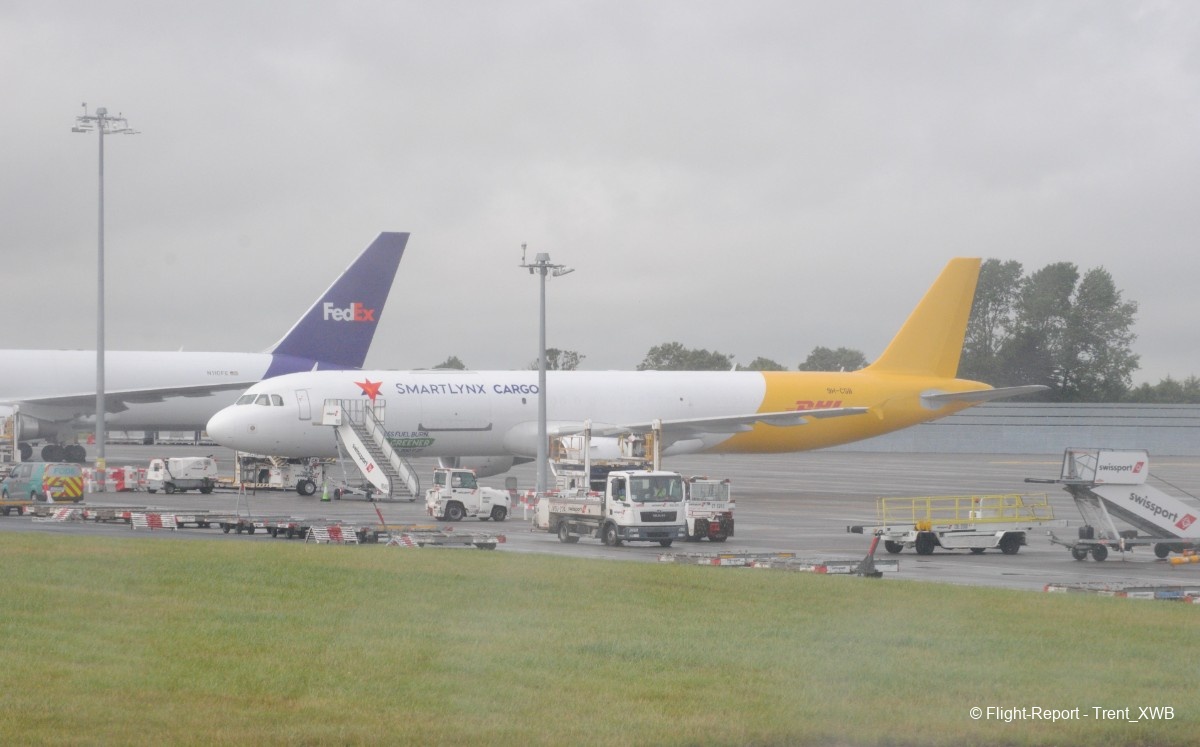
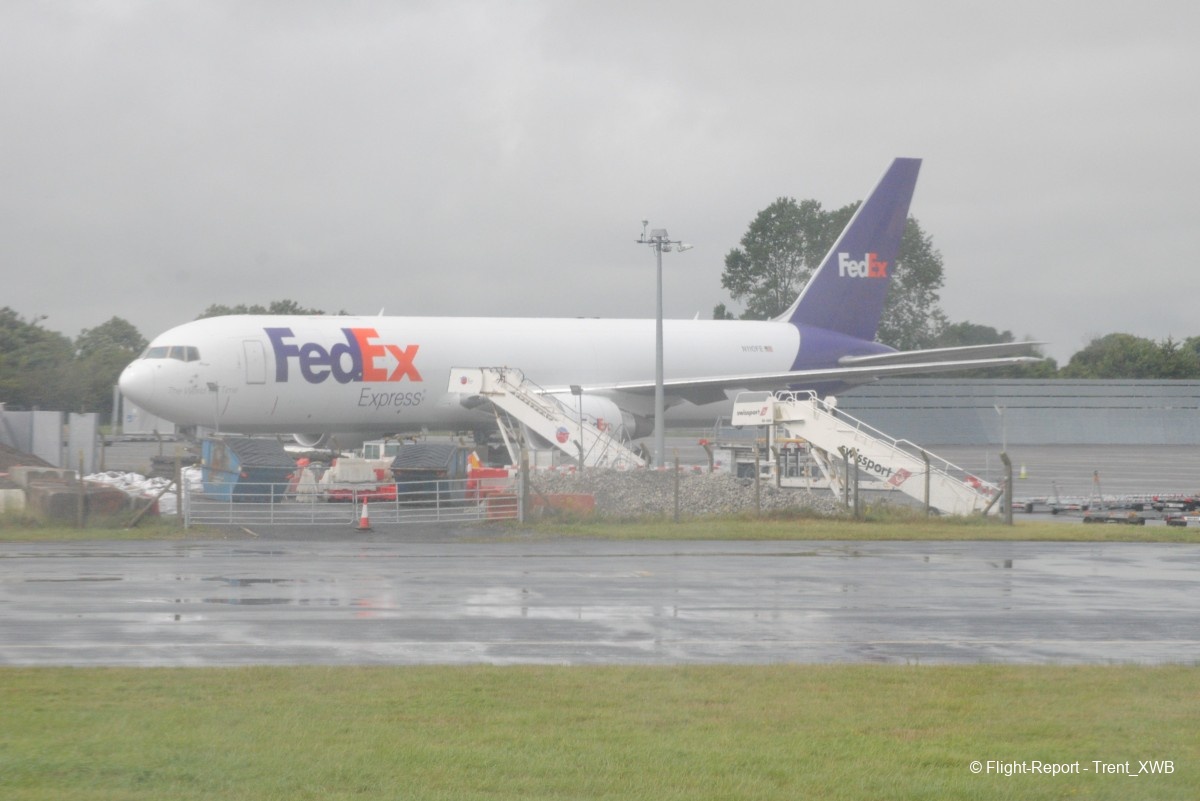
2014-built FedEx B763F (N110FE). BTW, 2014 was the year when the final passenger B763s were produced, and I flew the very last-built B763 in Kazakhstan on Air Astana ALA-NQZ flight in 2025.
Takeoff from DUB. As the air is still very wet, we produce vortices from the wing.
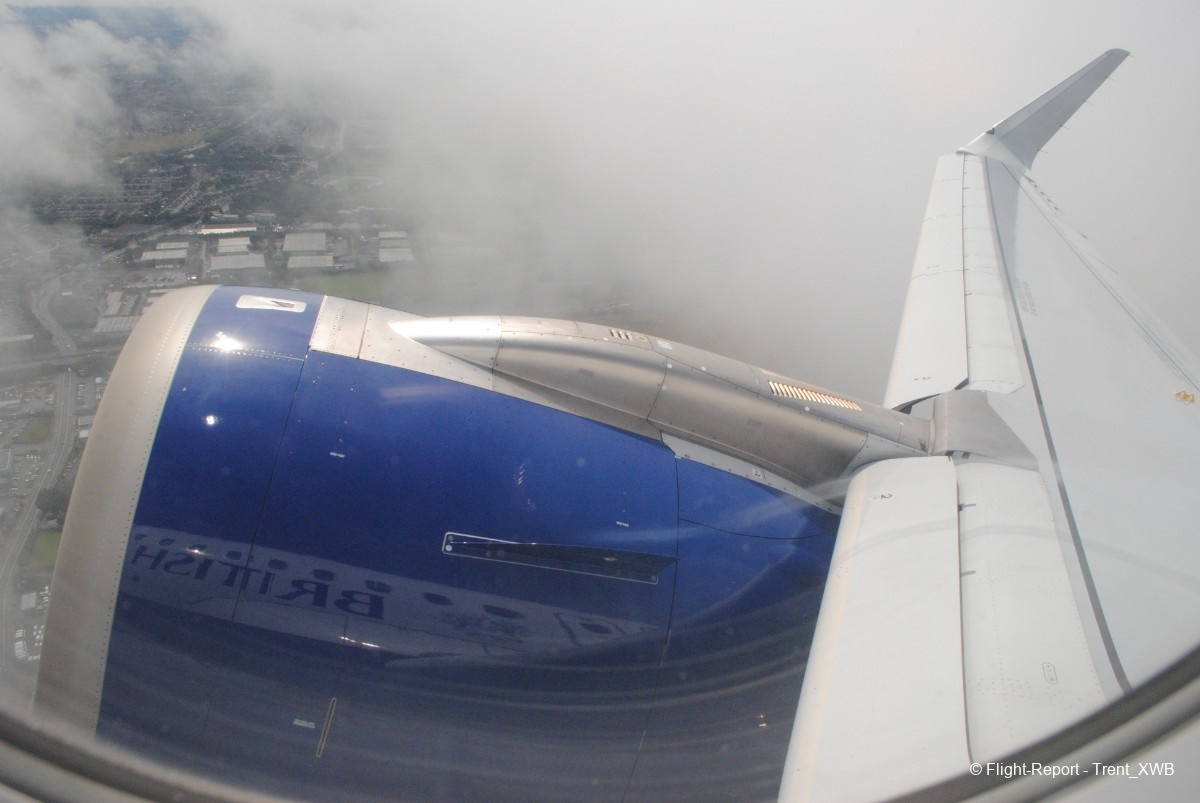
View of east Dublin, mouth of Liffey river and Aviva stadium.
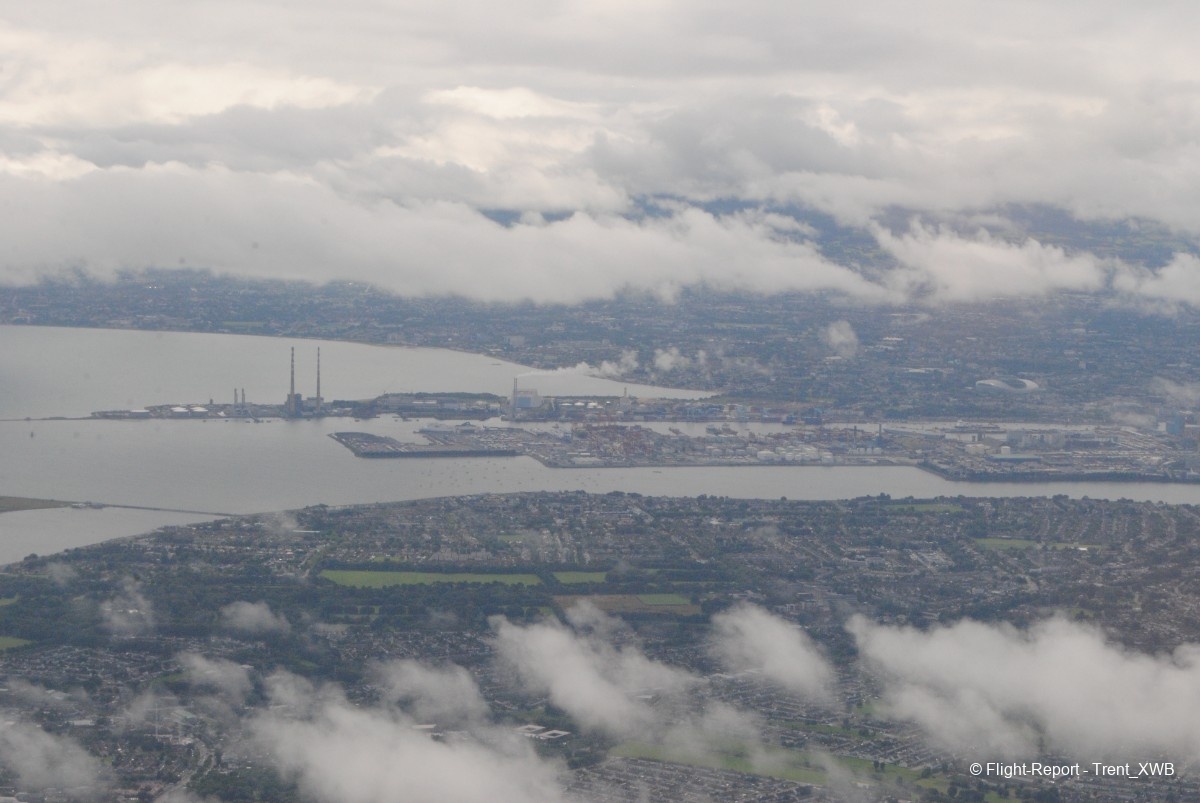
View of Dublin bay.
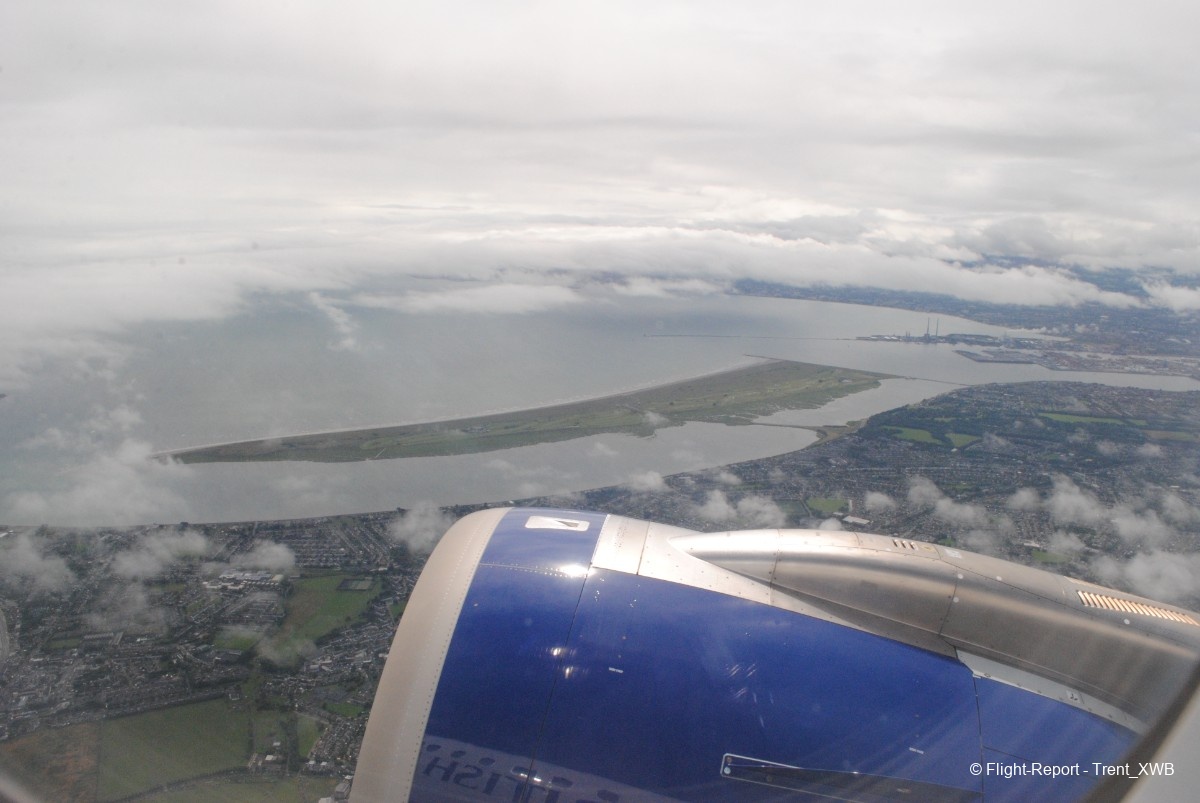
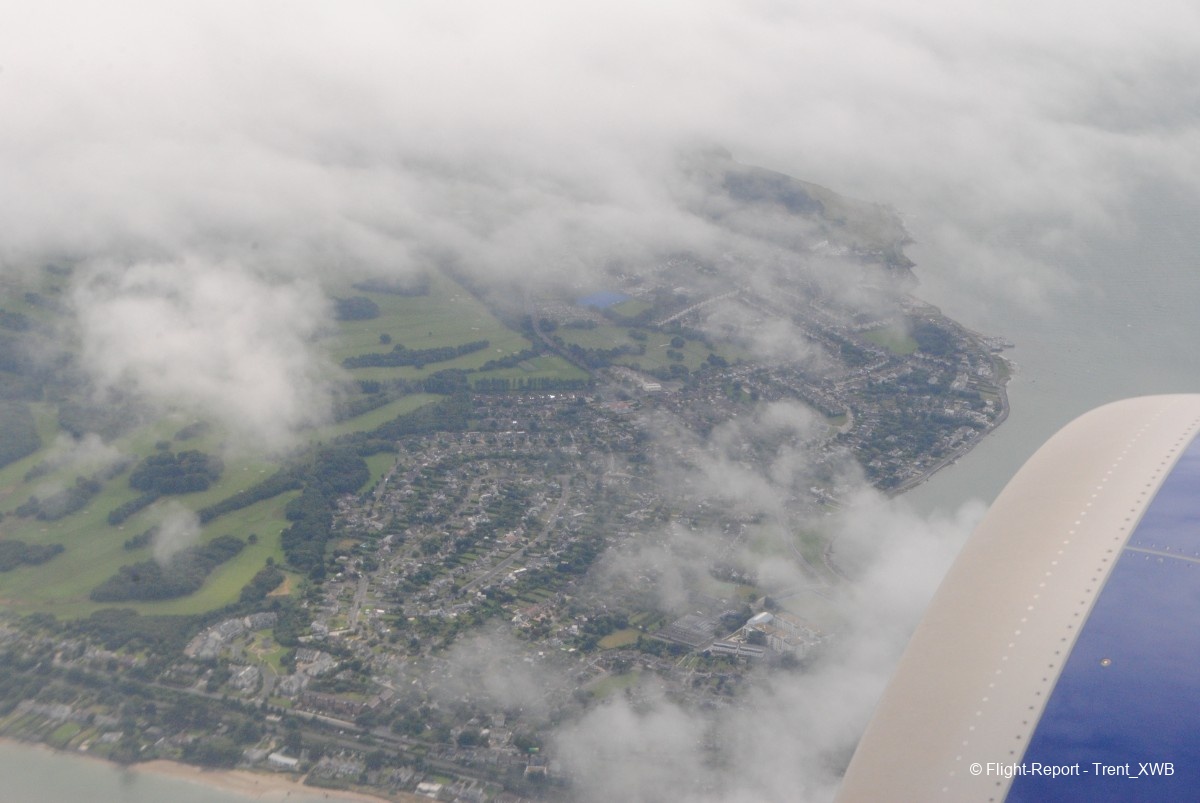
Sutton North.
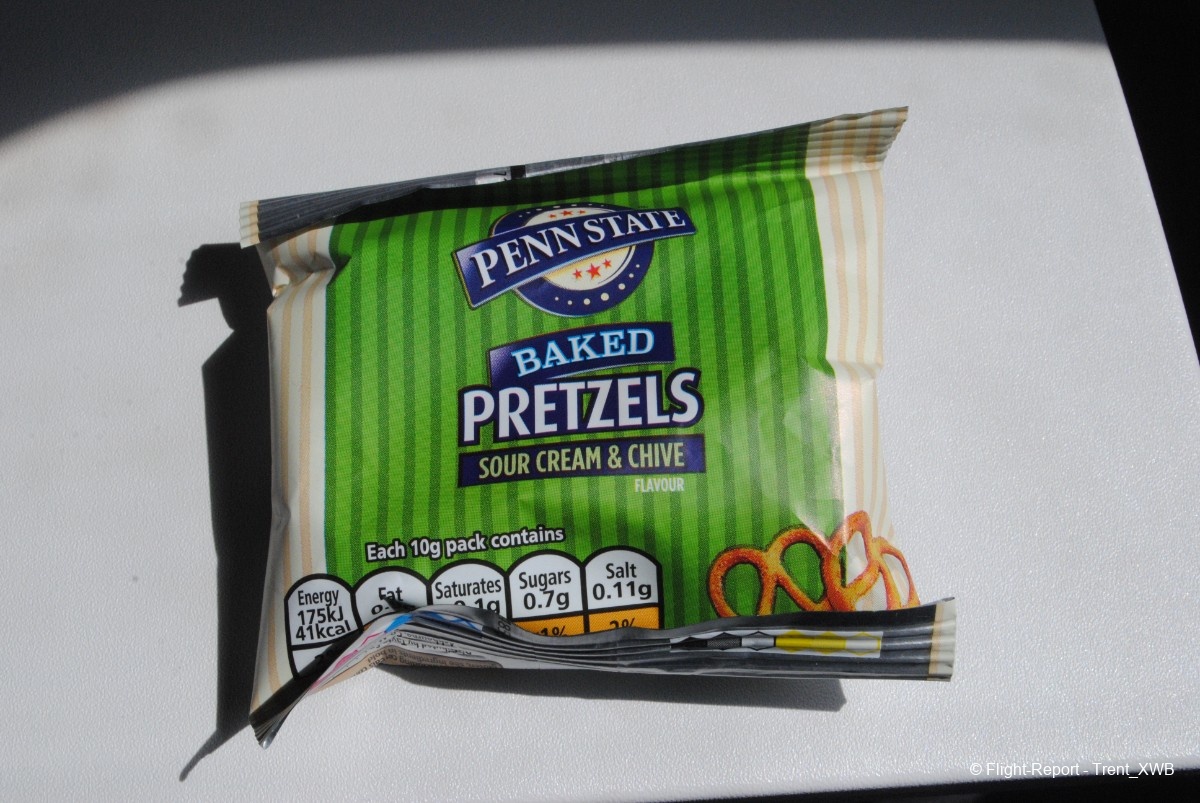
On this short flight snacks and Harrogate water were served.
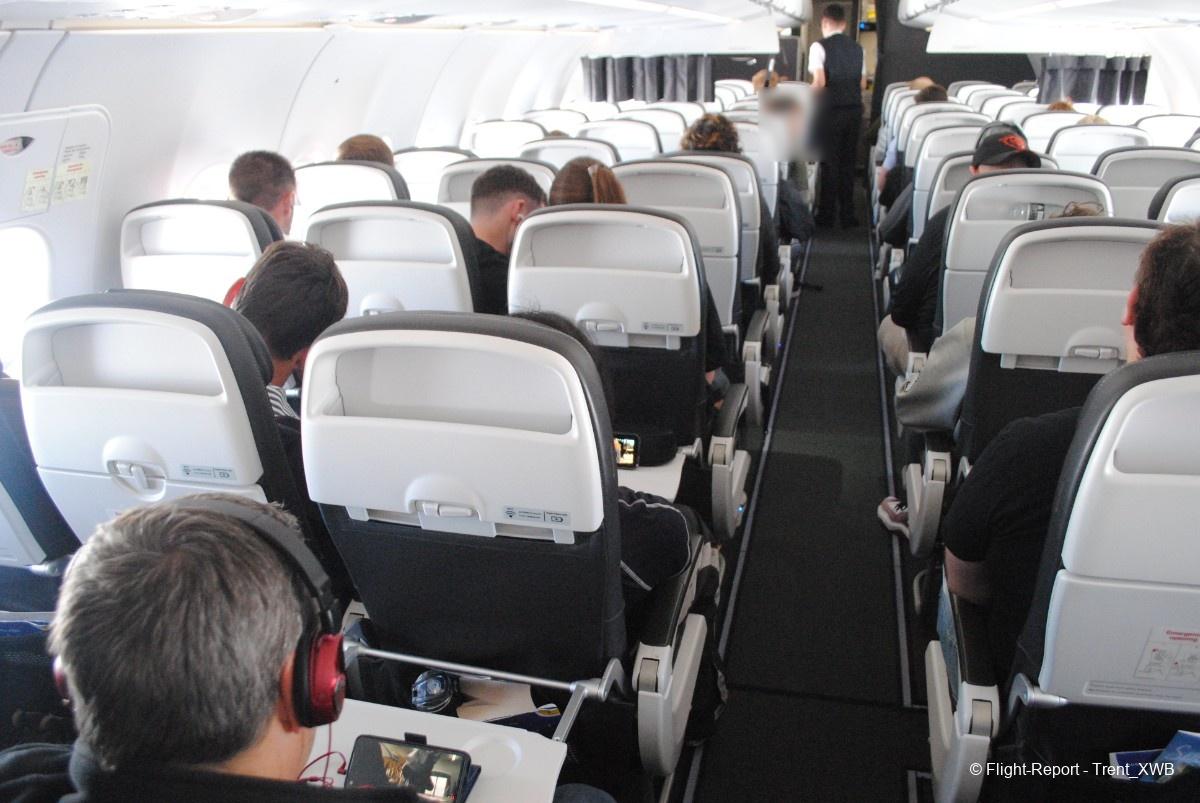
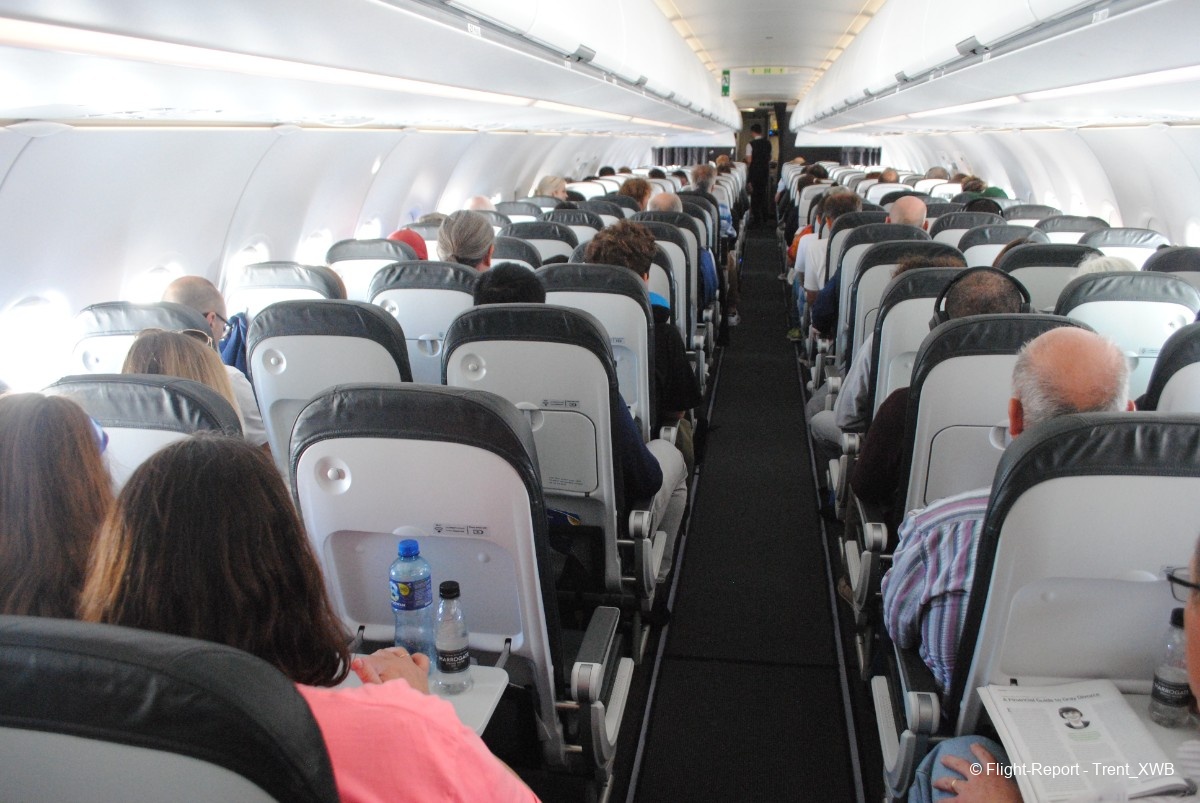
Some inflight cabin views. One can clearly see the stark difference between the front part (rows 1-12 with Collins Meridian seats) and the rear part (rows 13-30 with dull Recaro SL3710 seats). Even though in the 2nd batch of A20Ns (G-TTNV to -TTNZ and G-TTSA to -TTSH) BA thankfully installed Collins Meridian seats from nose to tail, you never know in advance which tail number you'll get, so I'd recommend to always choose row number no larger than 12, if possible.
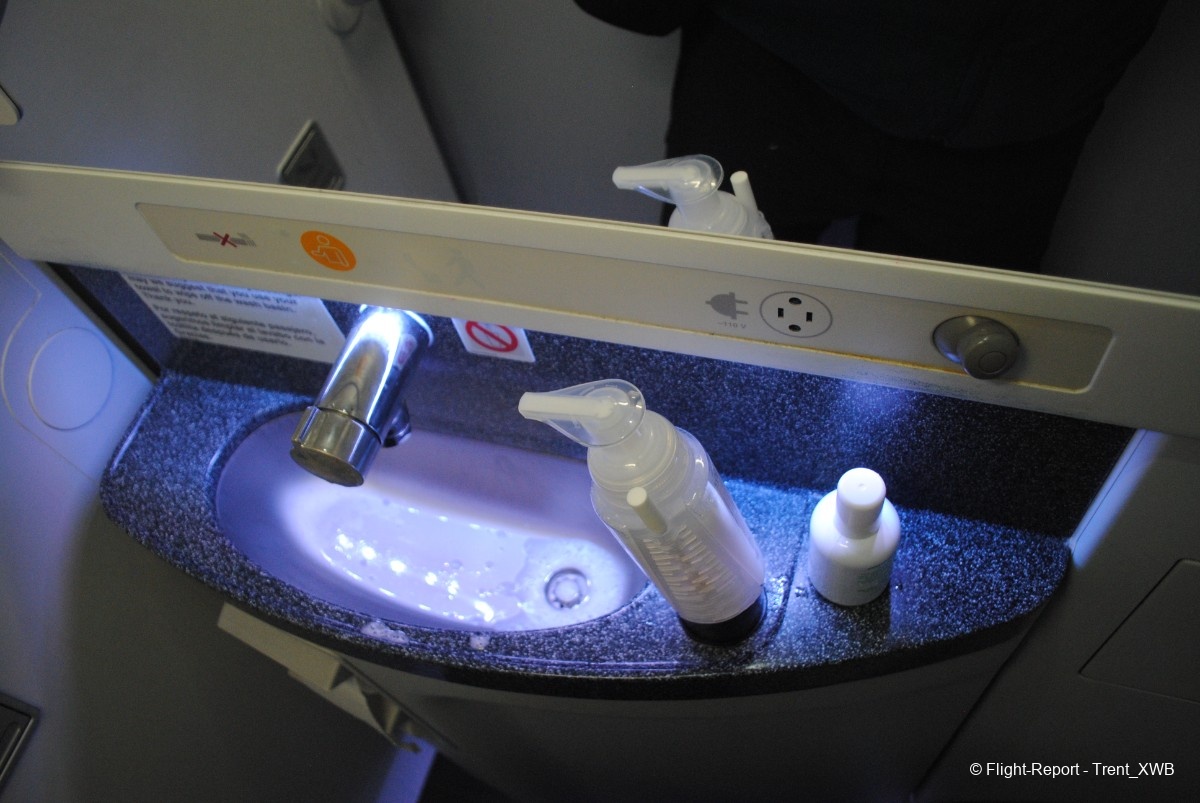
The lavatory is tiny and cramped which is sadly the new norm for most A20Ns and A21Ns.
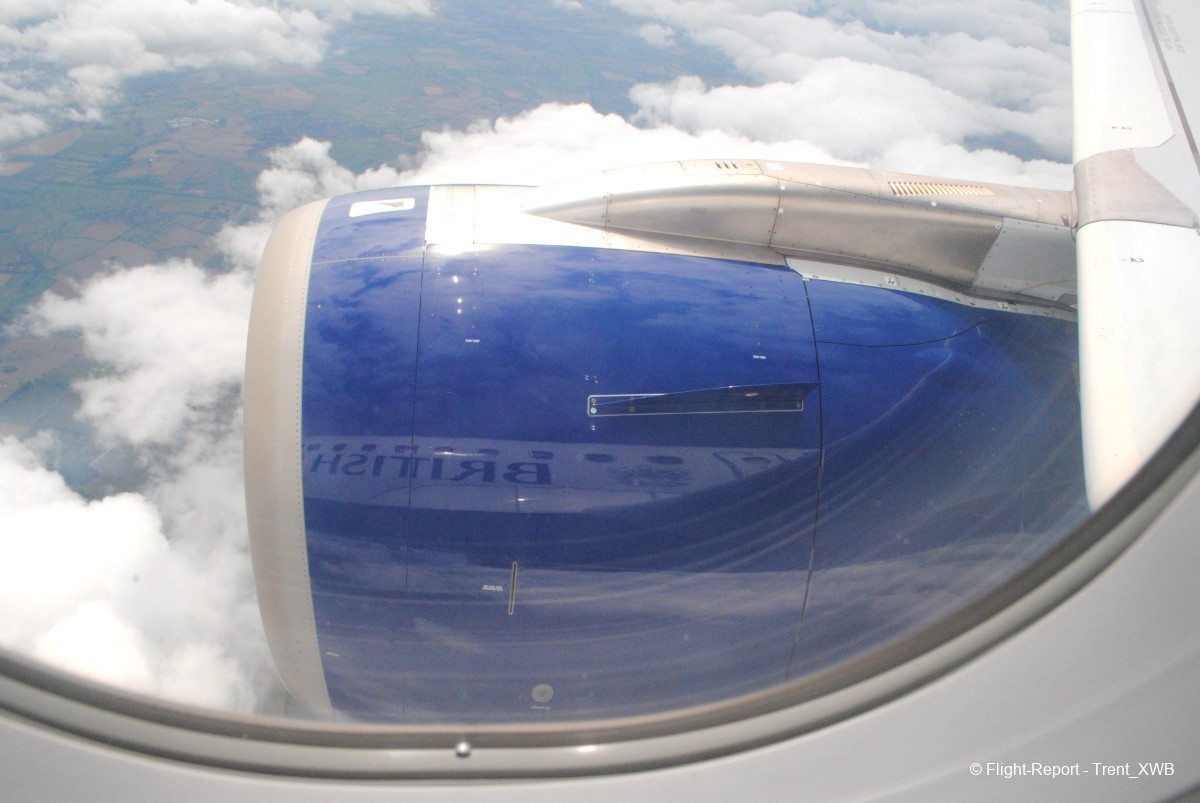
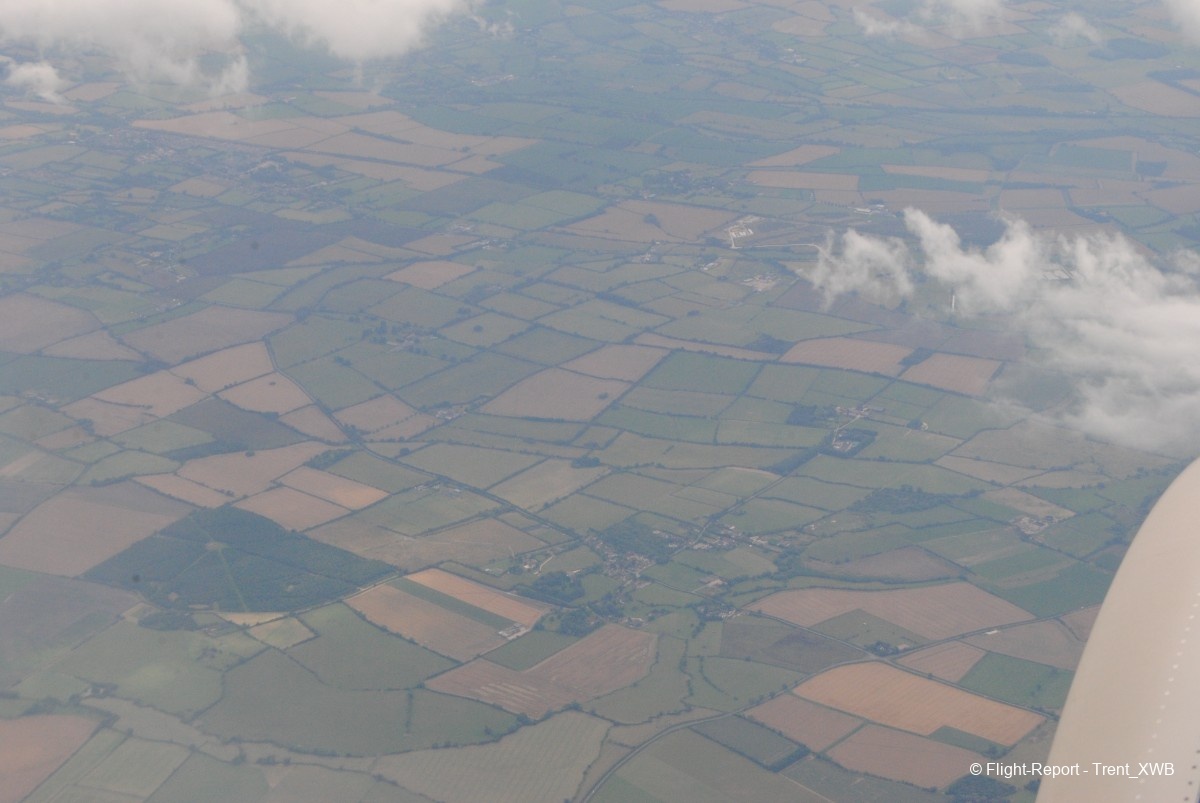
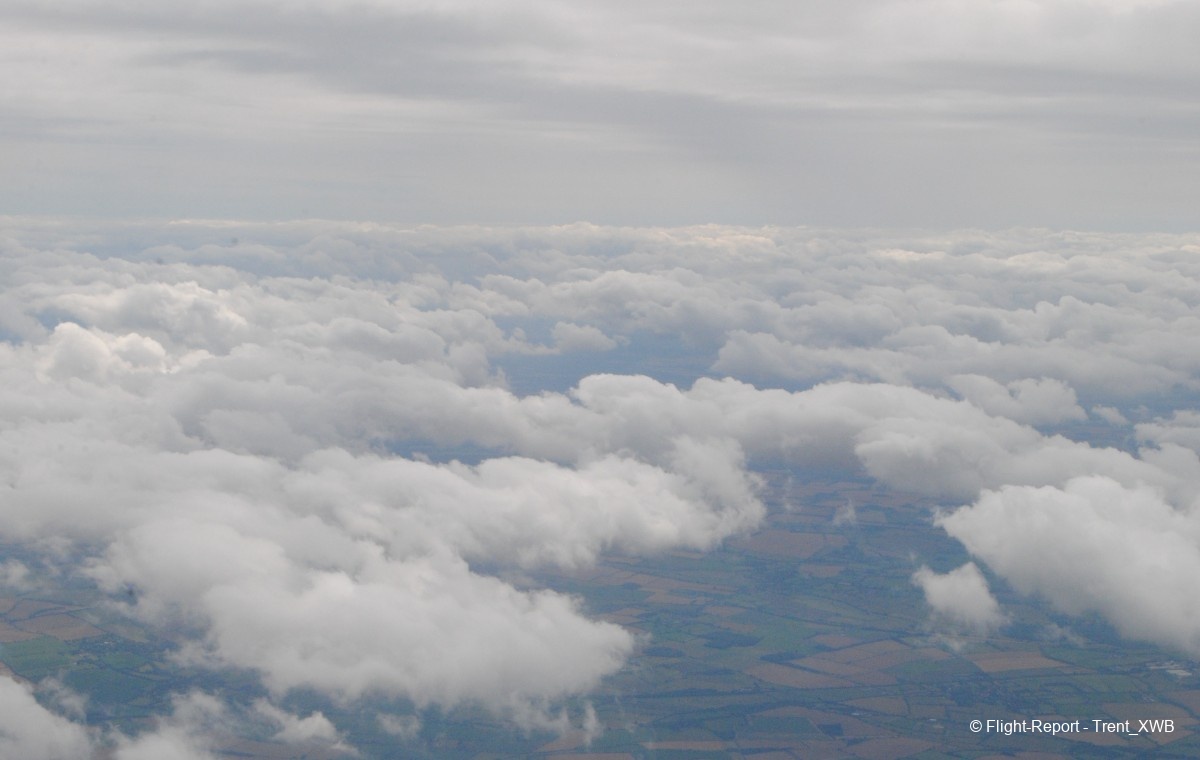
Meanwhile we're already over England with the view of fields through the breaks in the grey clouds.
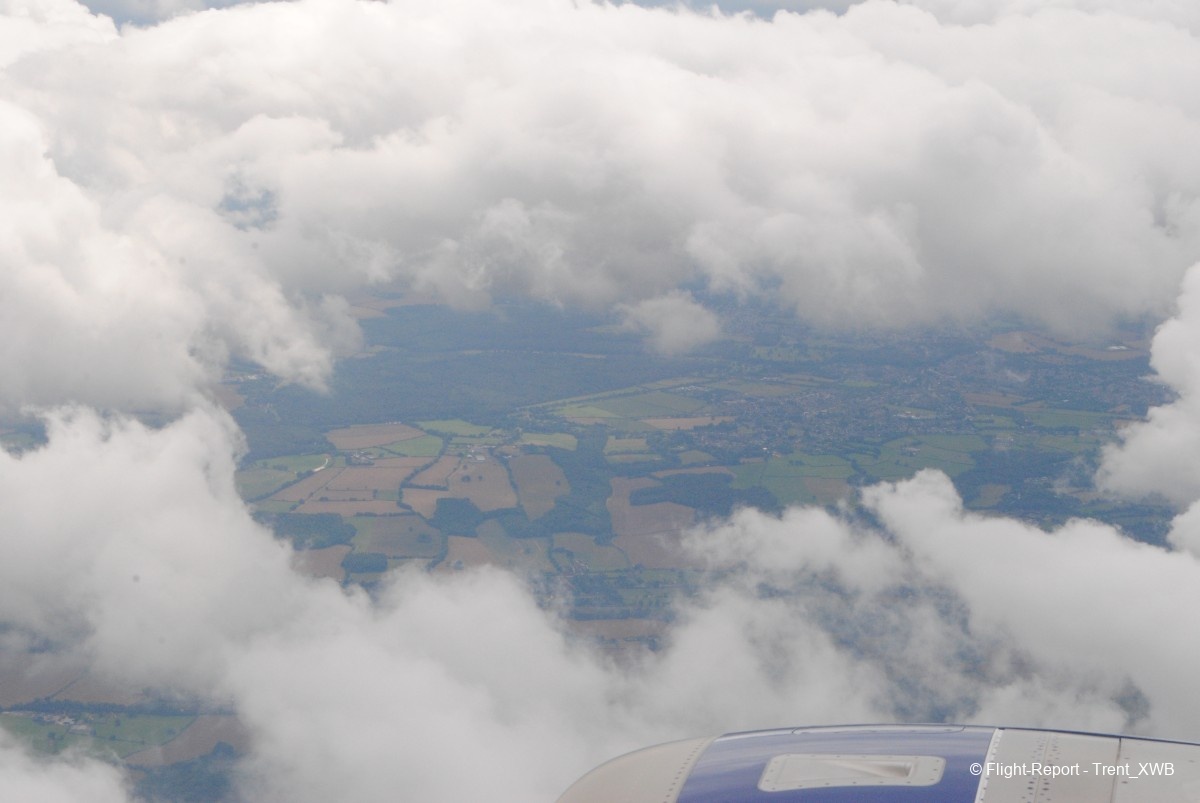
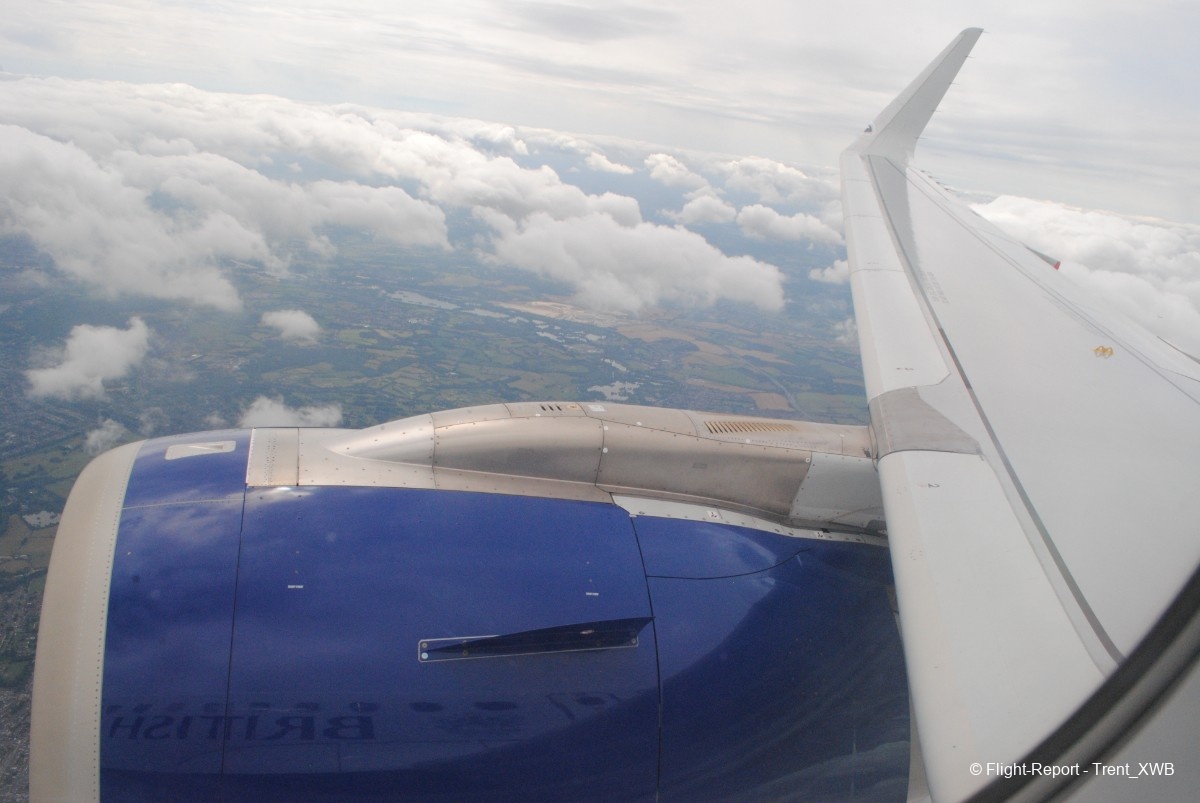
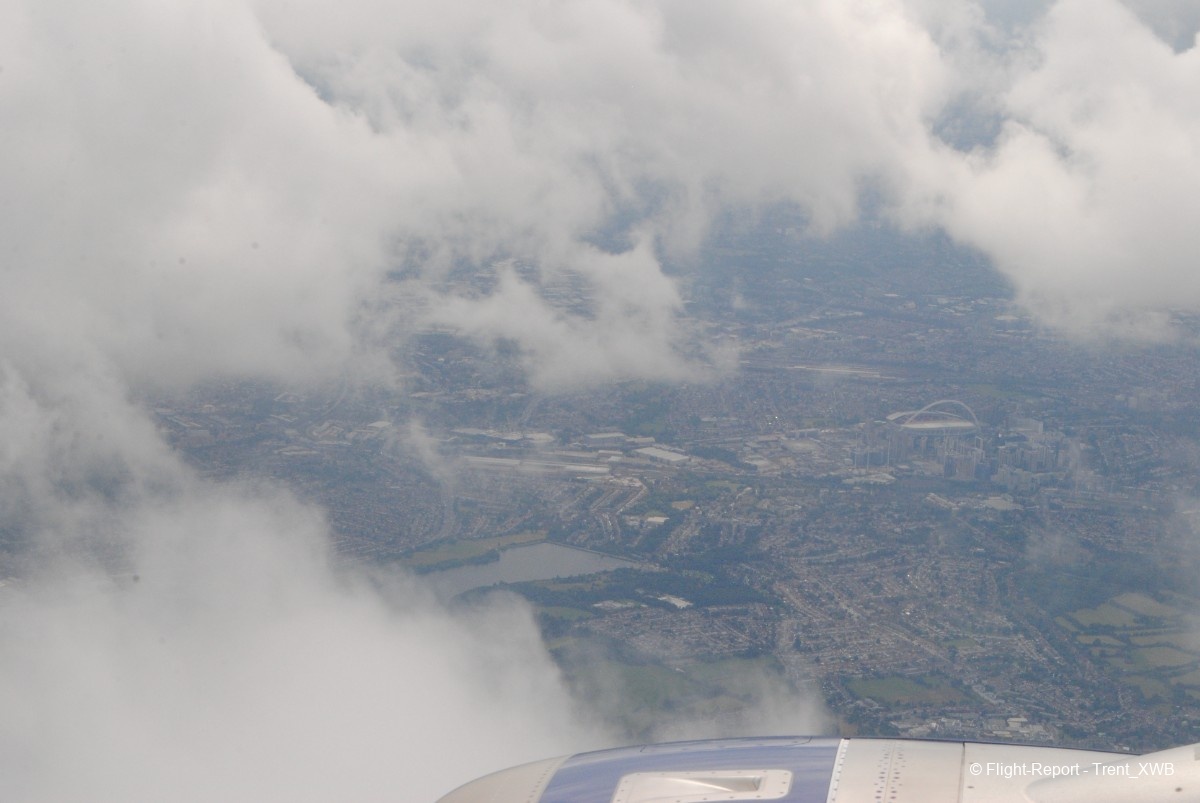
Approaching Greater London. Famous Wembley stadium in sight.
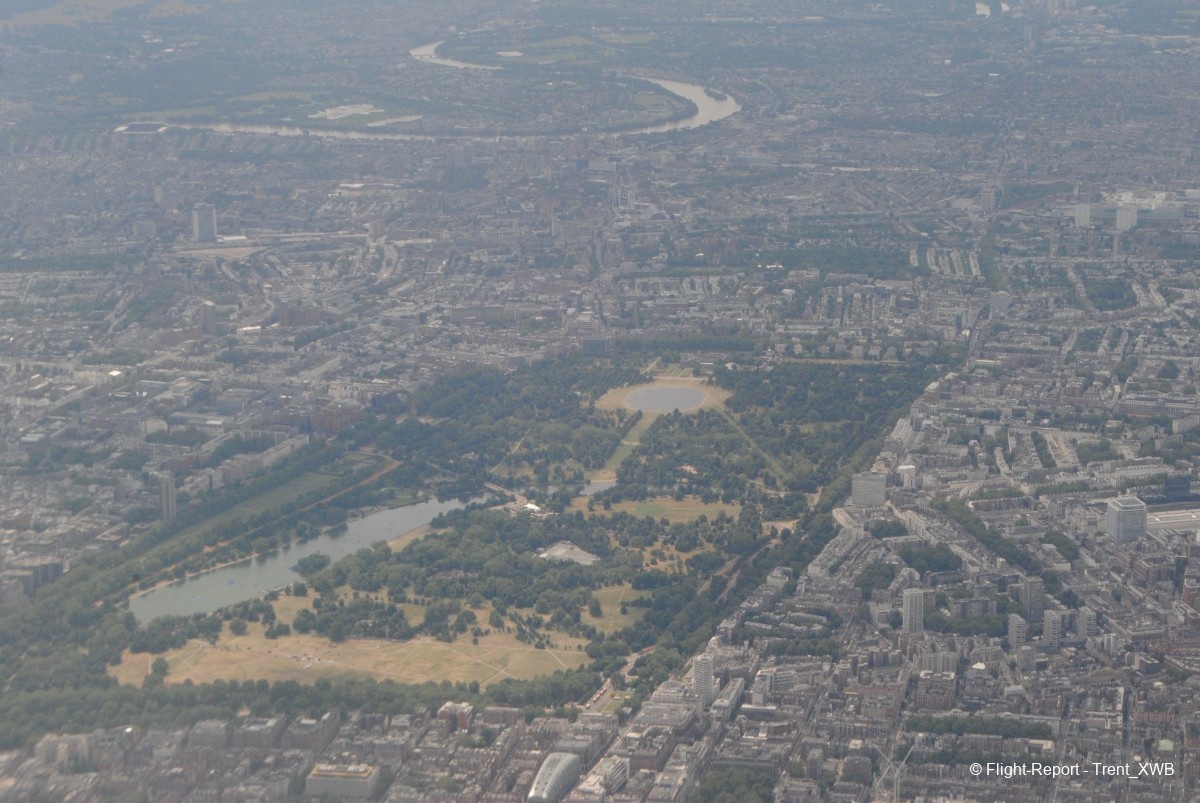
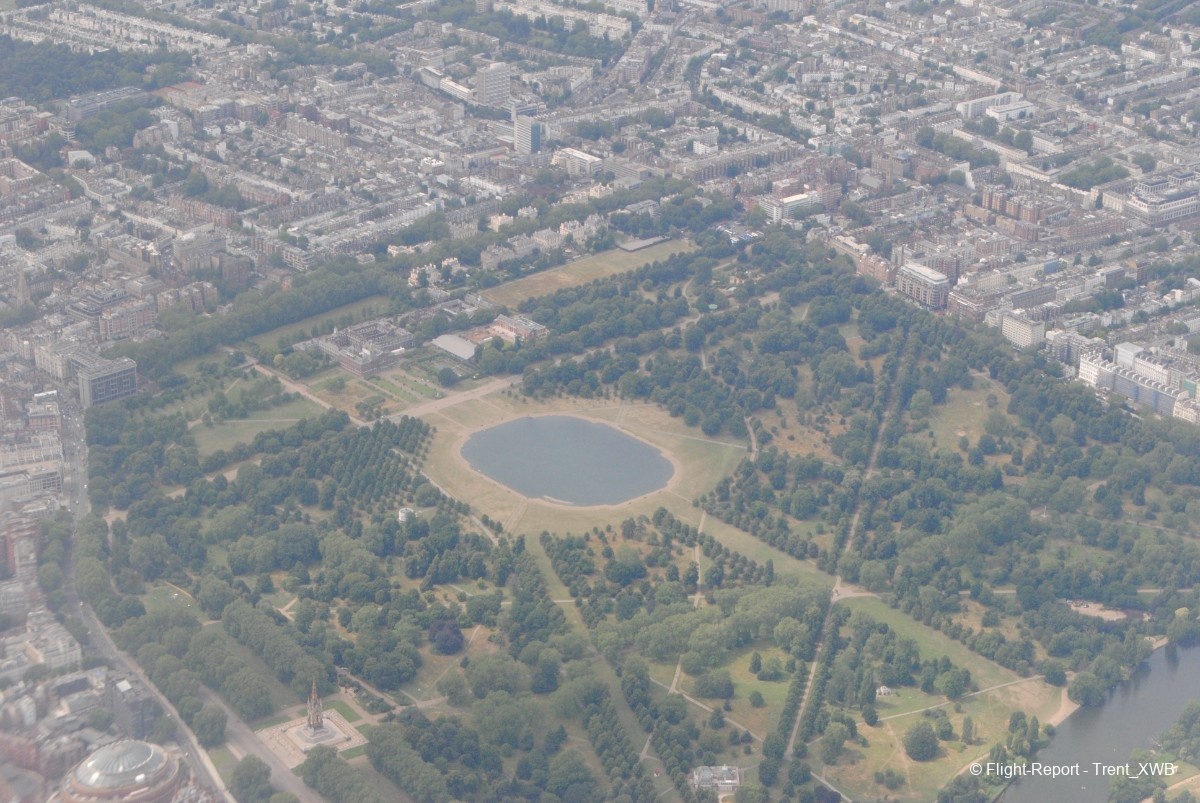
Kensington Gardens and Hyde Park. On the backdrop is Thames river.
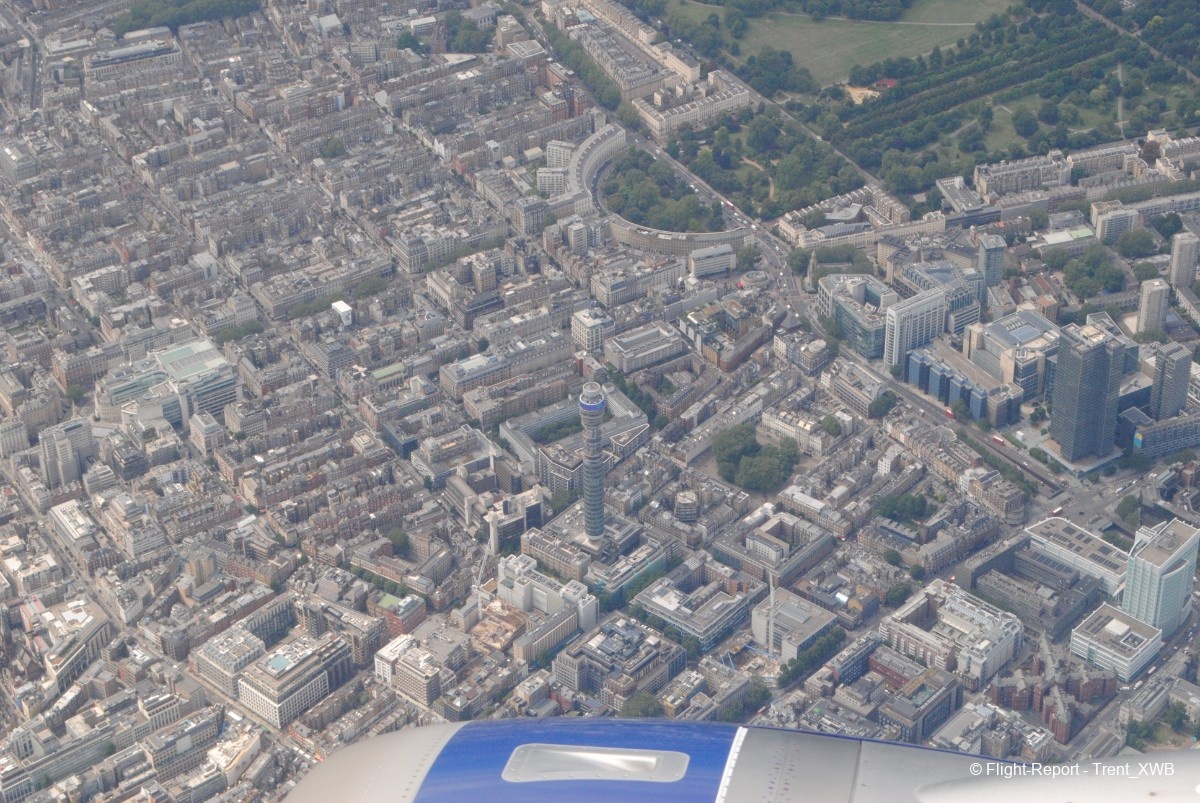
BT Tower.
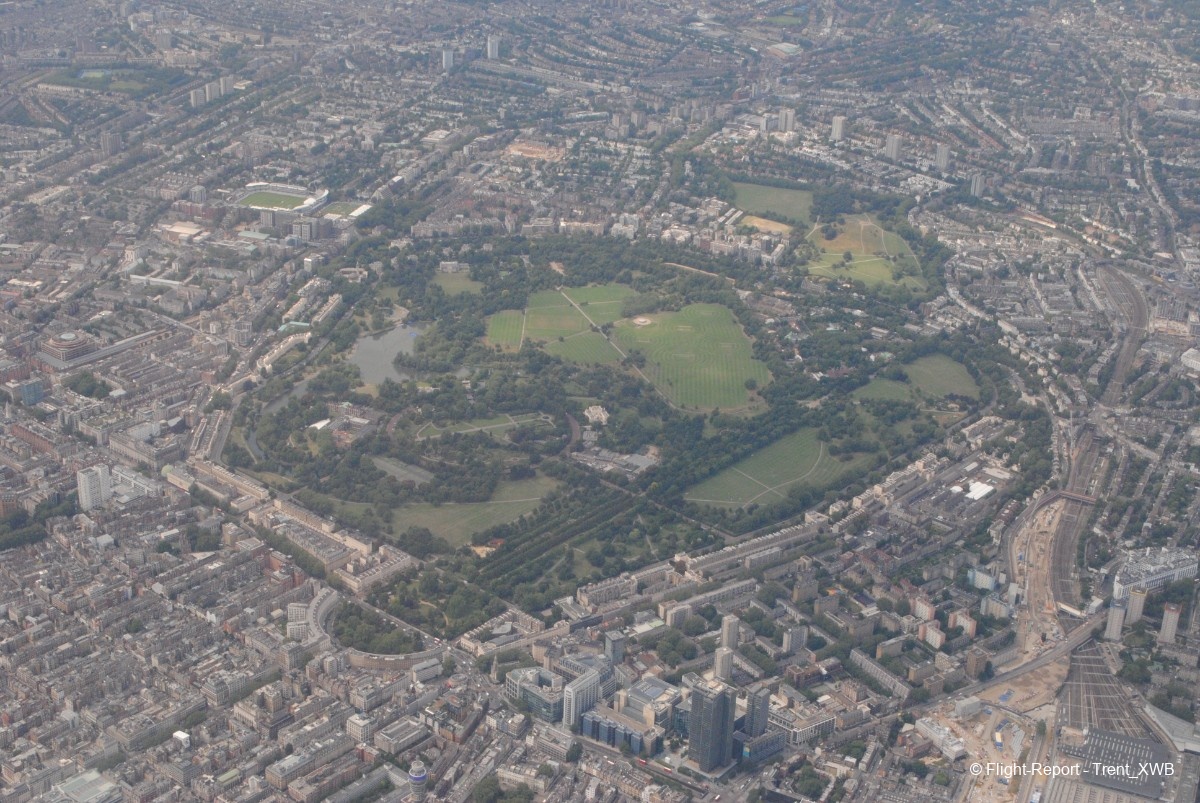
The Regent's Park with Queen's Mary Rosary and London Zoo.
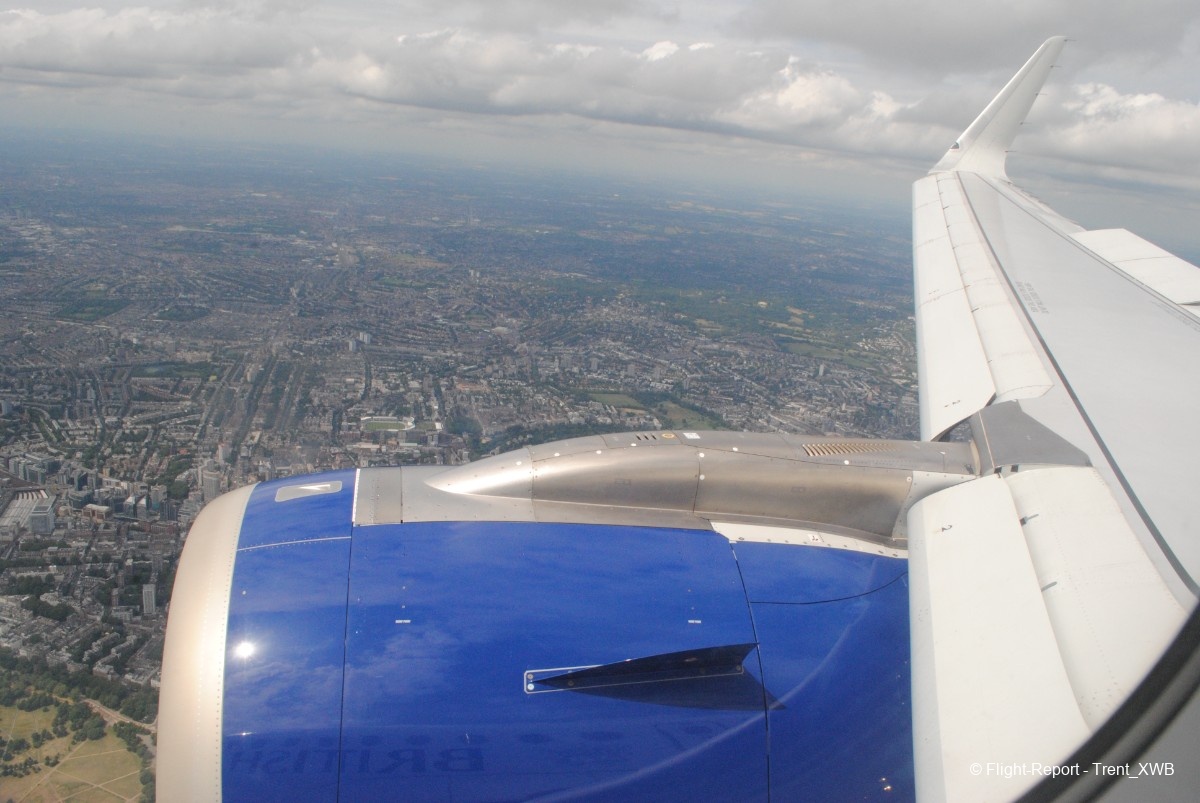
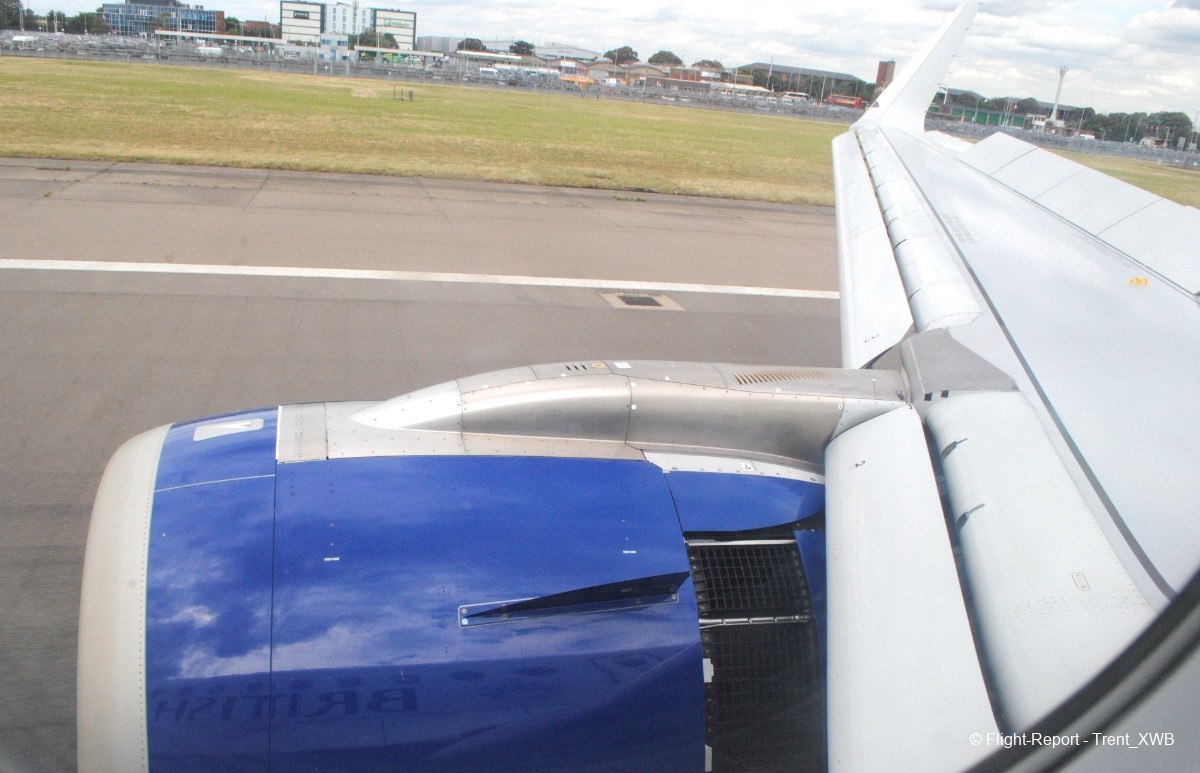
Engine and wing view (with flaps and slats deployed) with Greater London on the backdrop.
Thames near Hammersmith (district of West London).
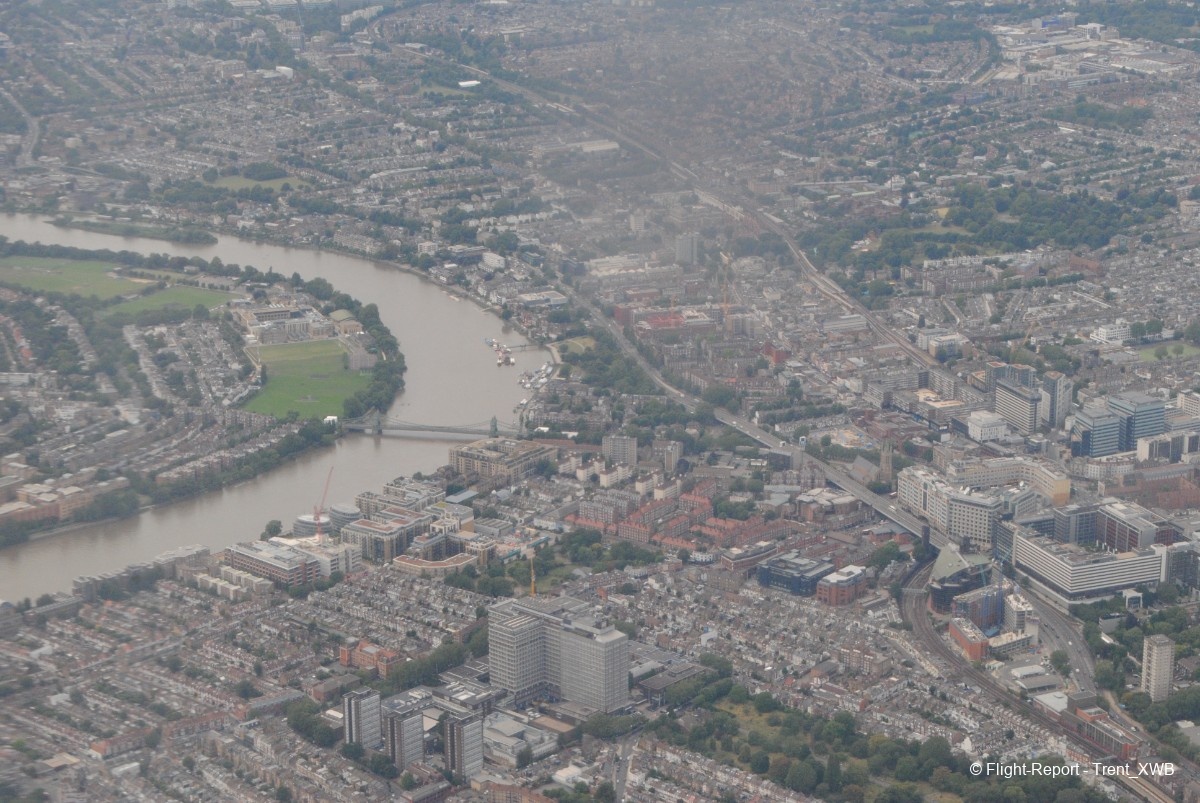
Hammersmith bridge.
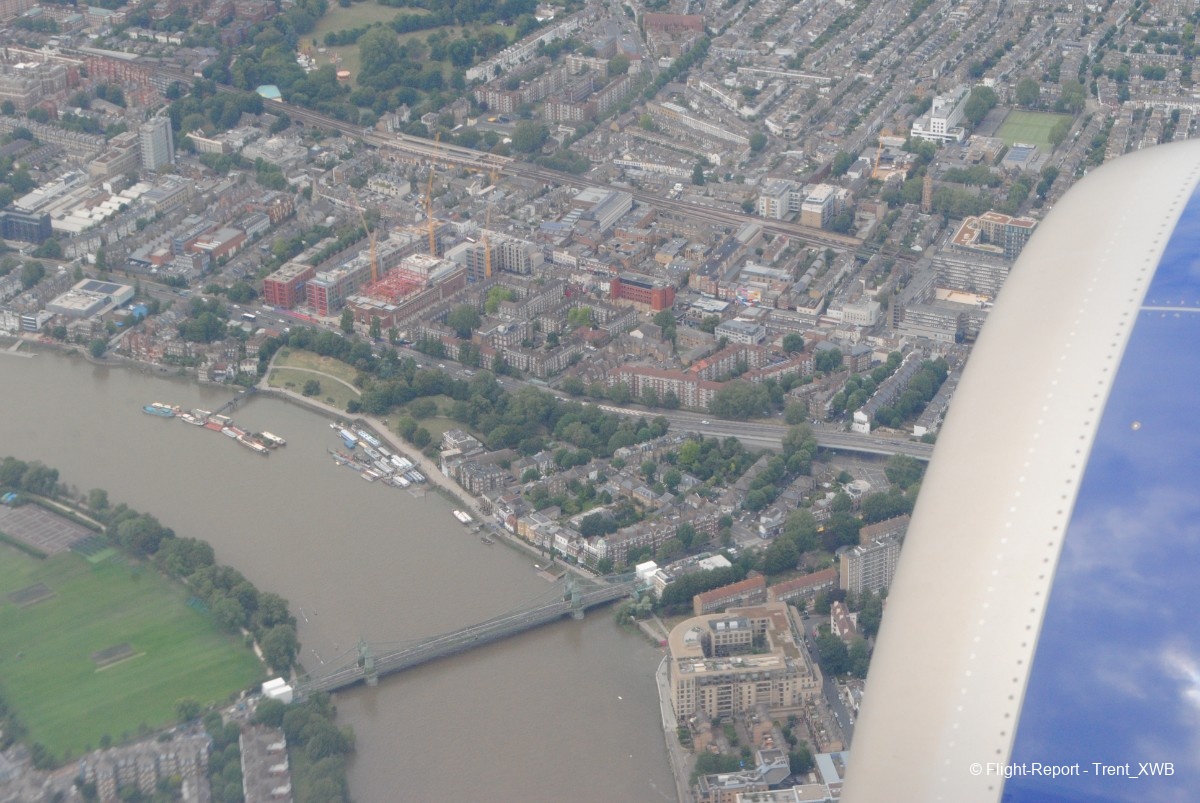
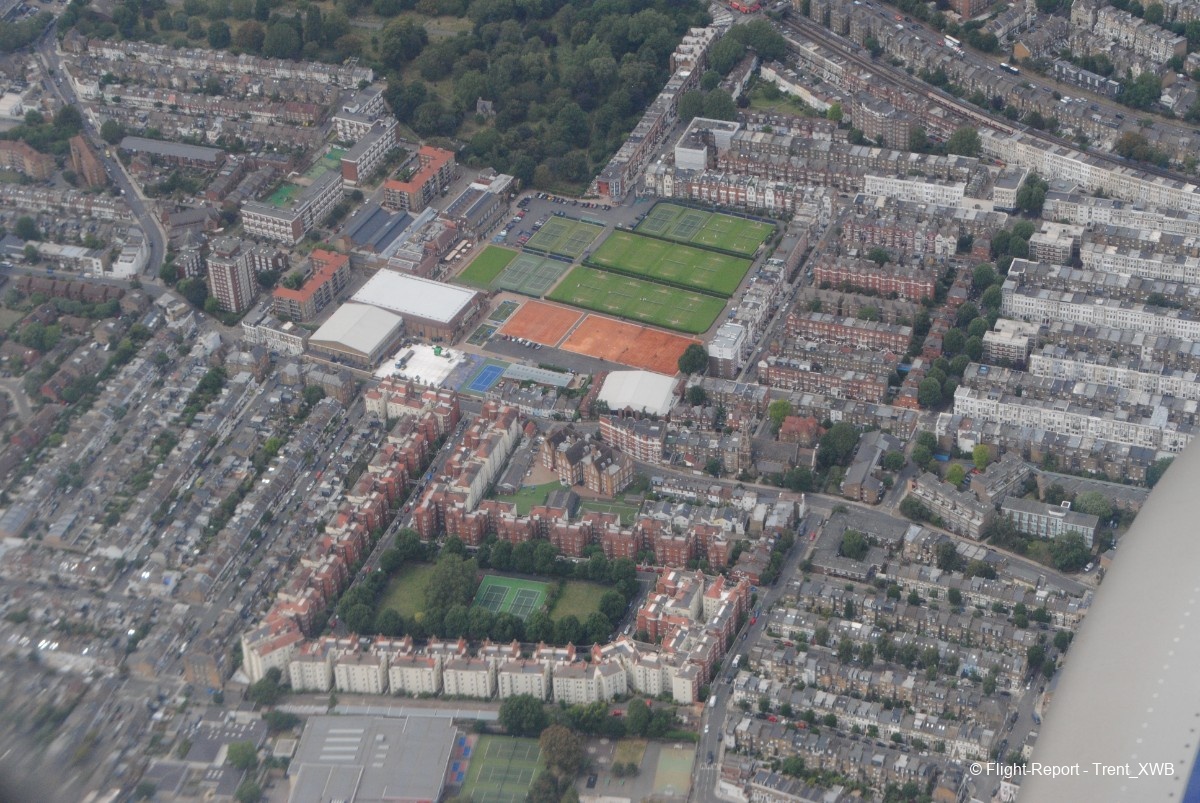
Condominiums in Hammersmith. Views from these angles speak a lot about how the ordinary Londoners live.
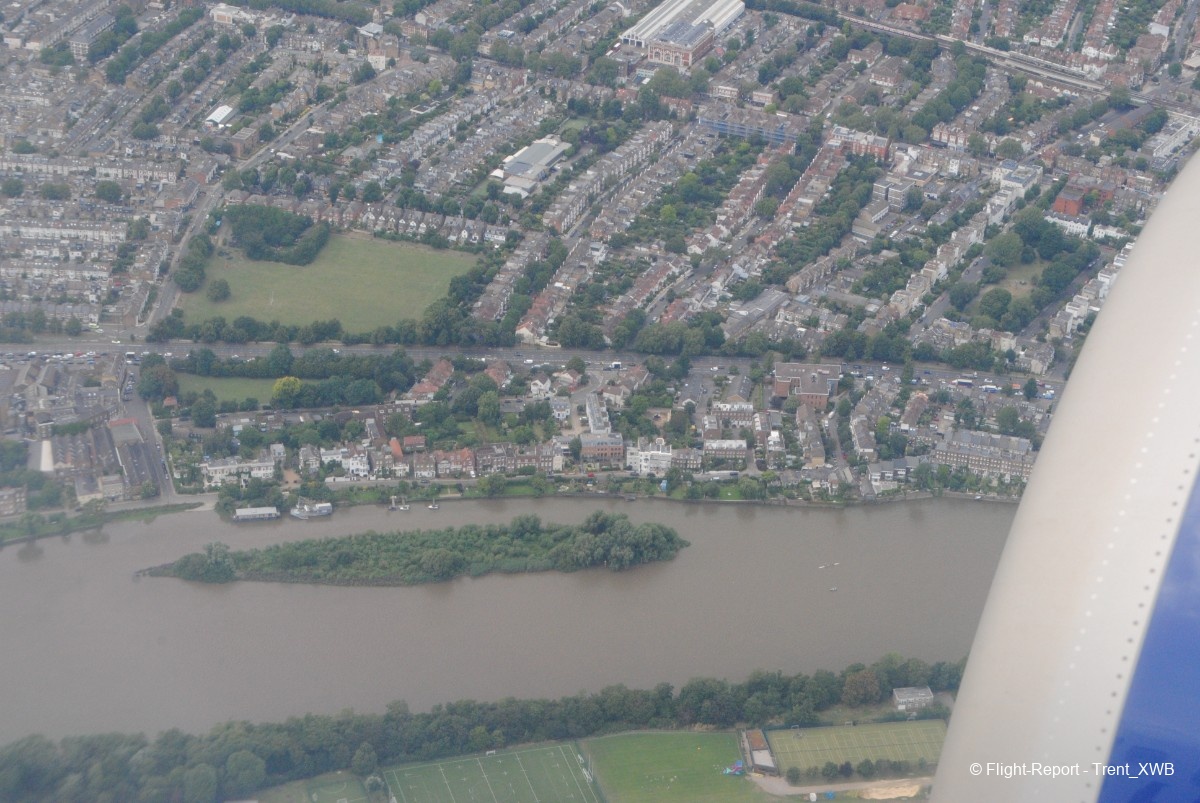
Chiswick Eyot island and Great West Road.
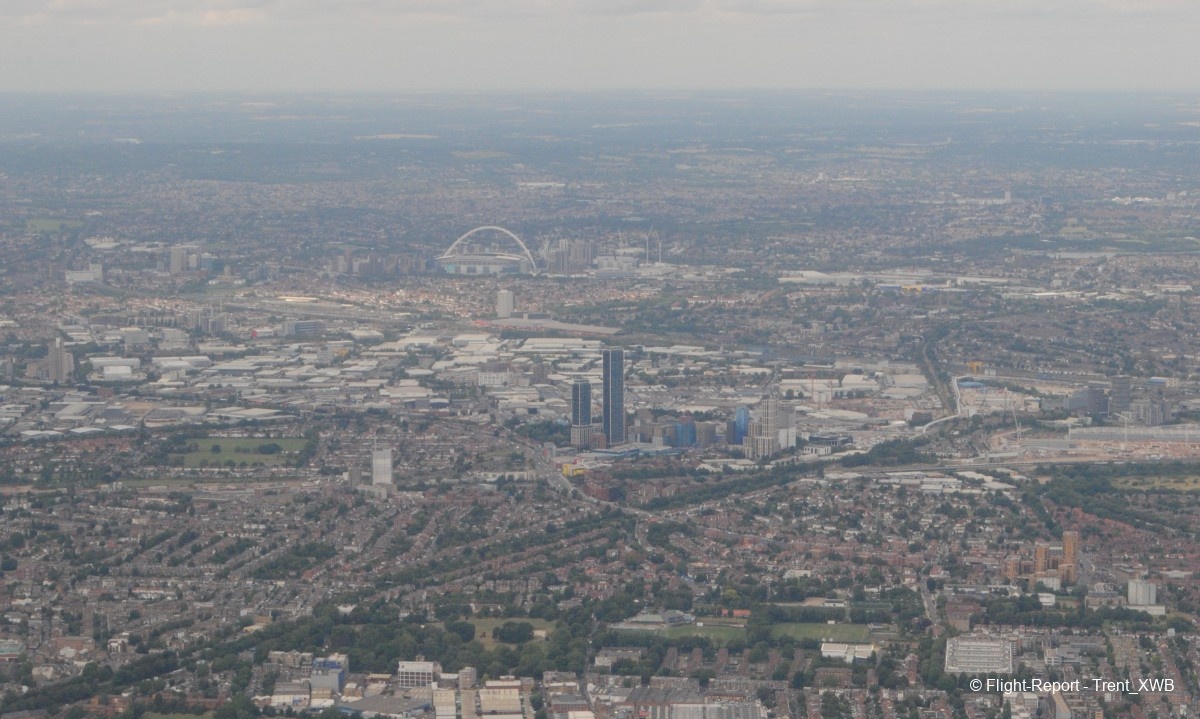
A view of Greater London with Webley stadium on the backdrop.
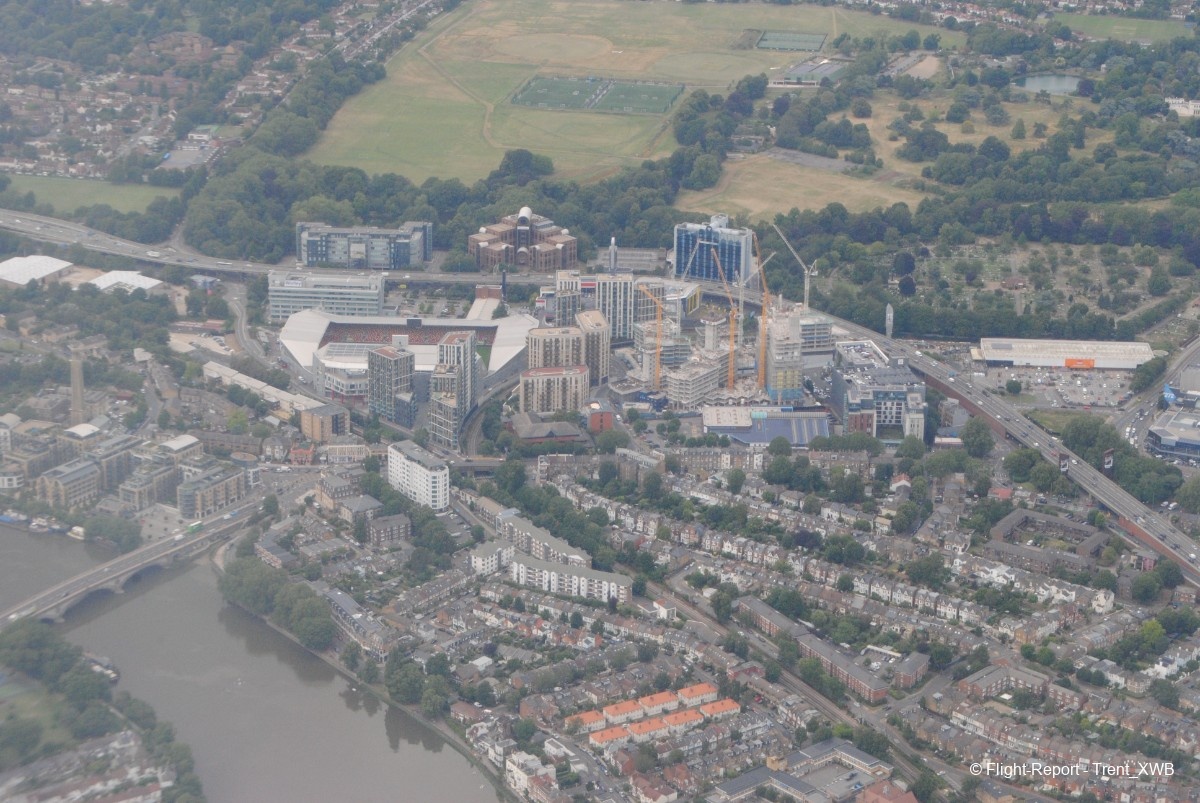
Kew bridge, Gtech Community stadium and Gunnersbury Park.
Brentford Ait island and High Street.
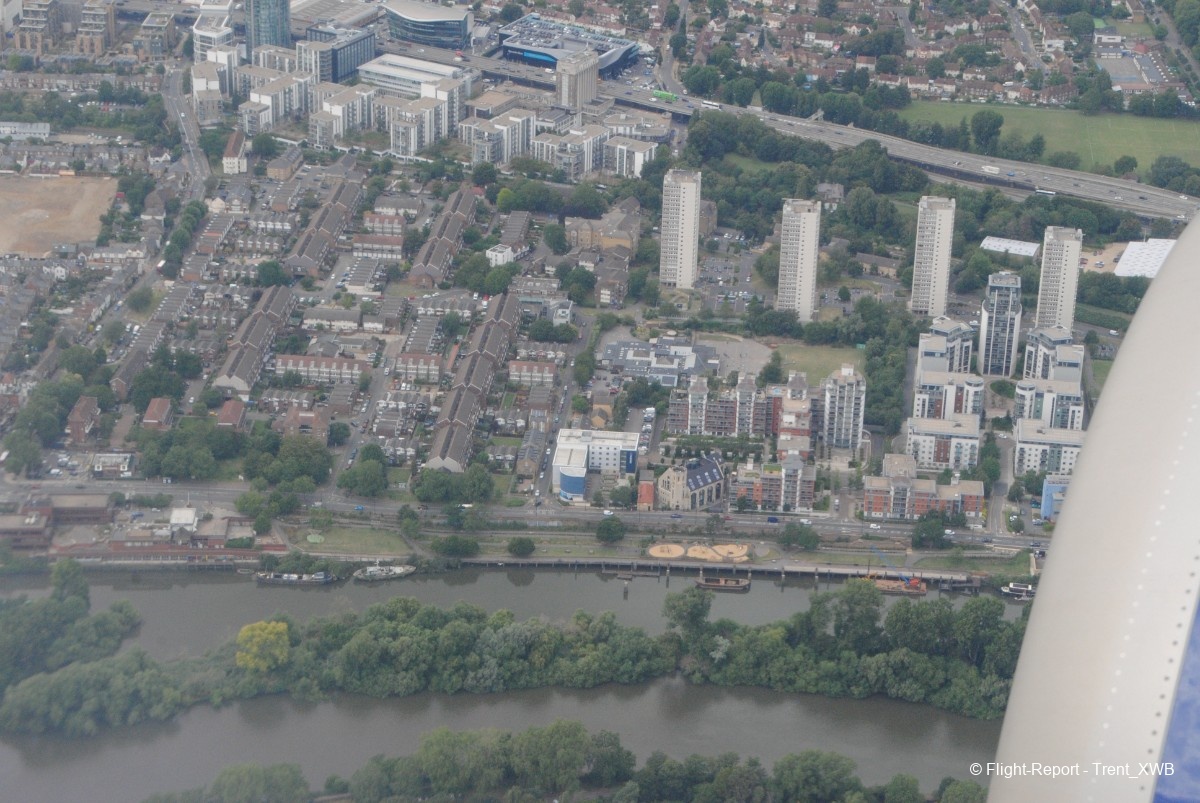
Lot's Ait pier with boats, used as houses on water for those who cannot afford crazy expensive rent of real estate.
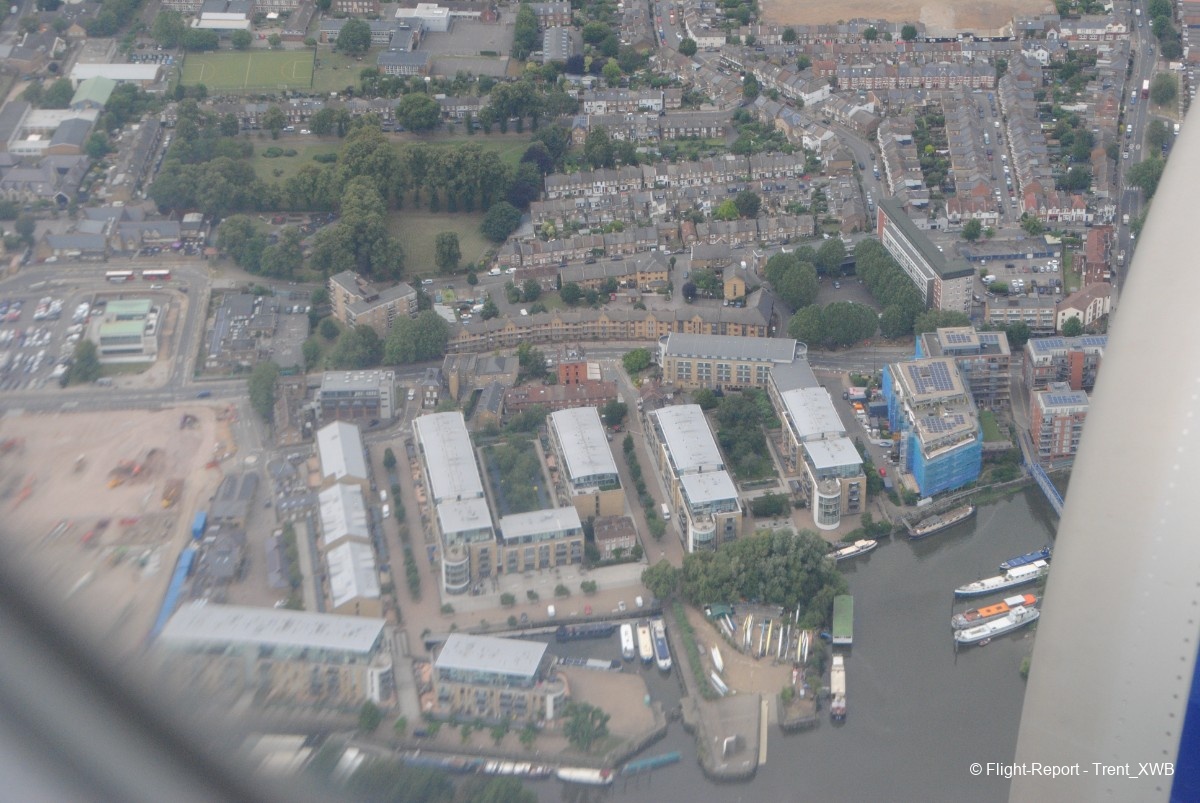
Condominiums near Osterley Park.
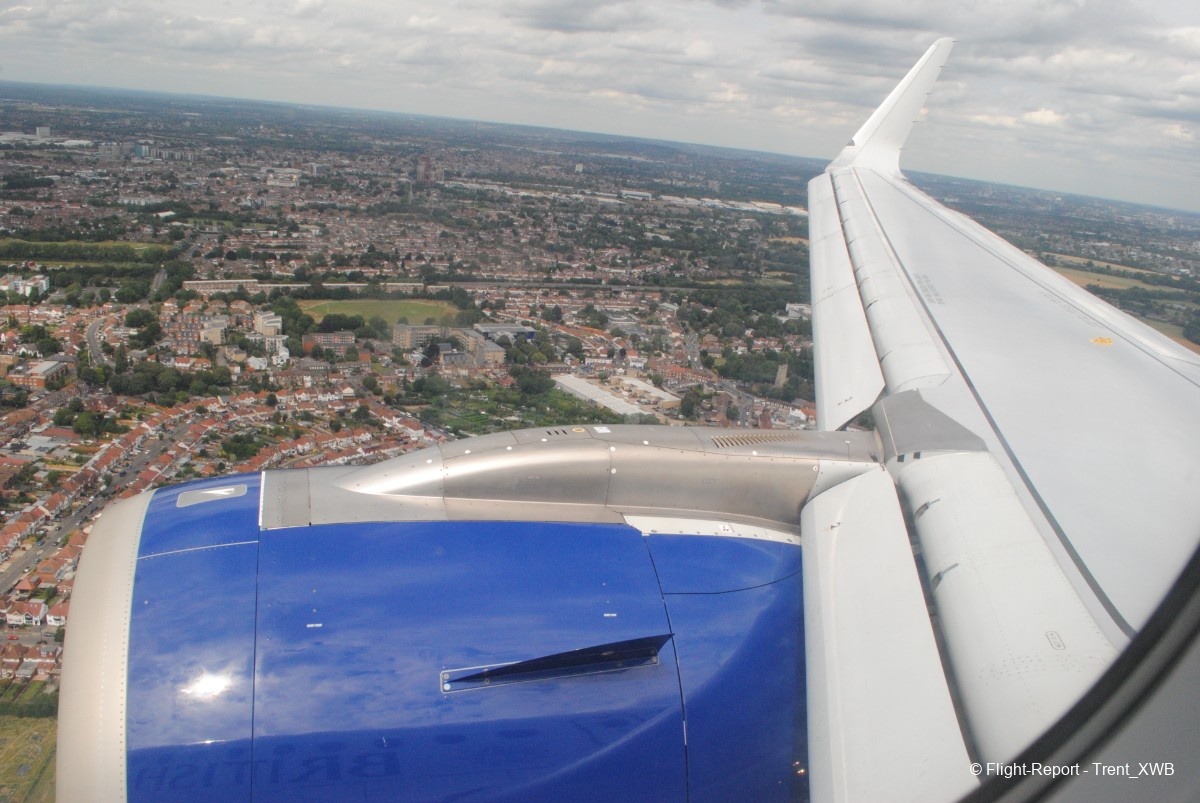
Flaps and slats in the landing configuration.
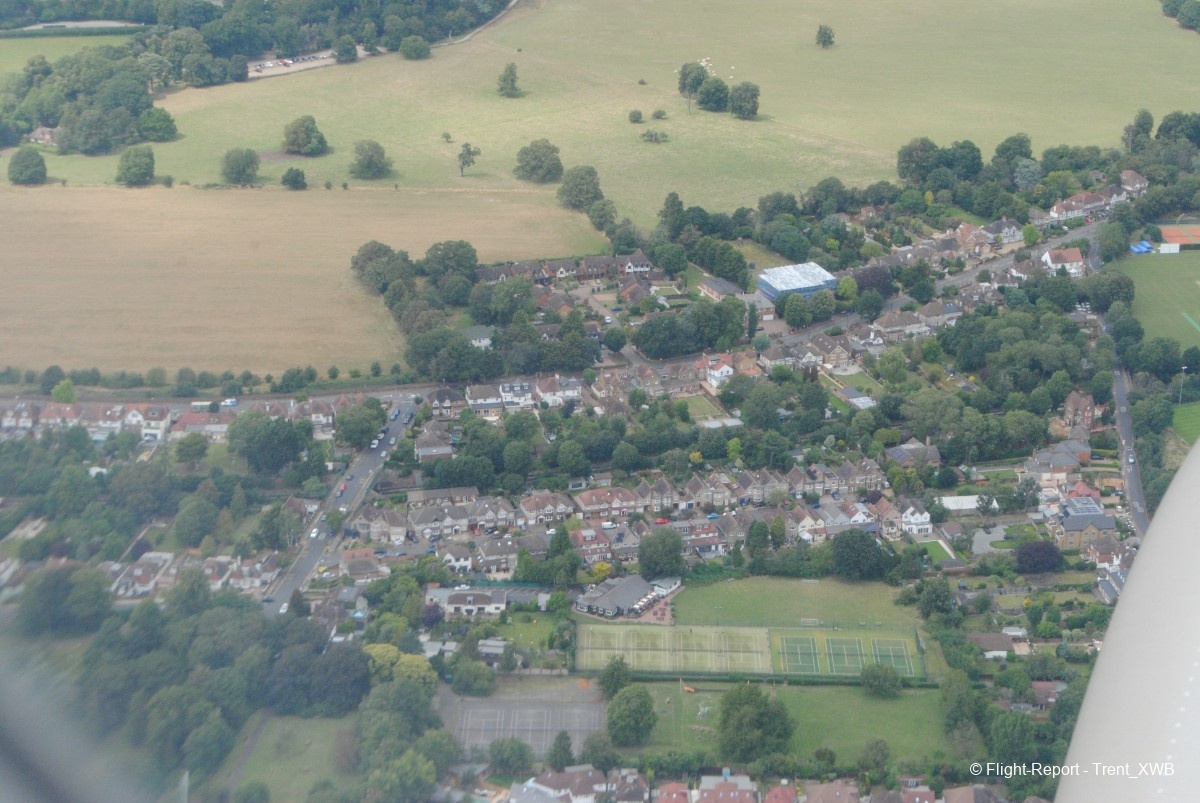
Some nice condominiums between Osterley Park and Heathrow.
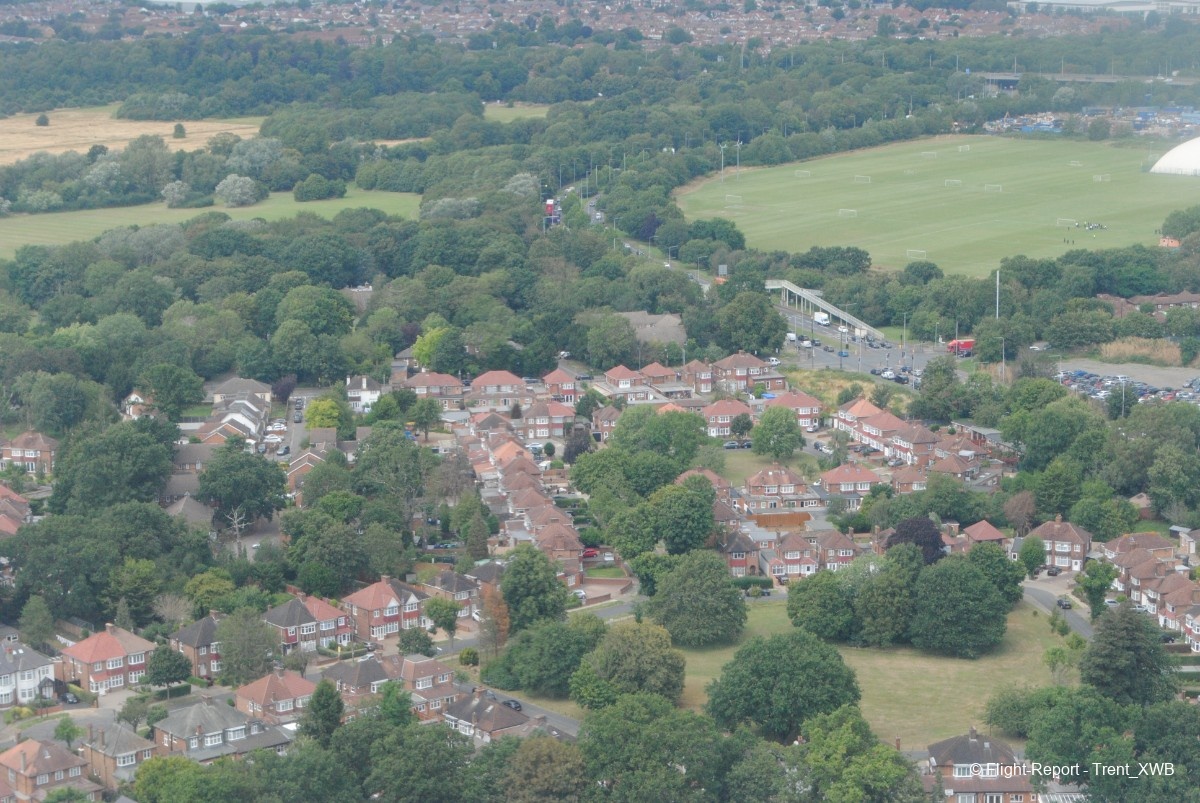
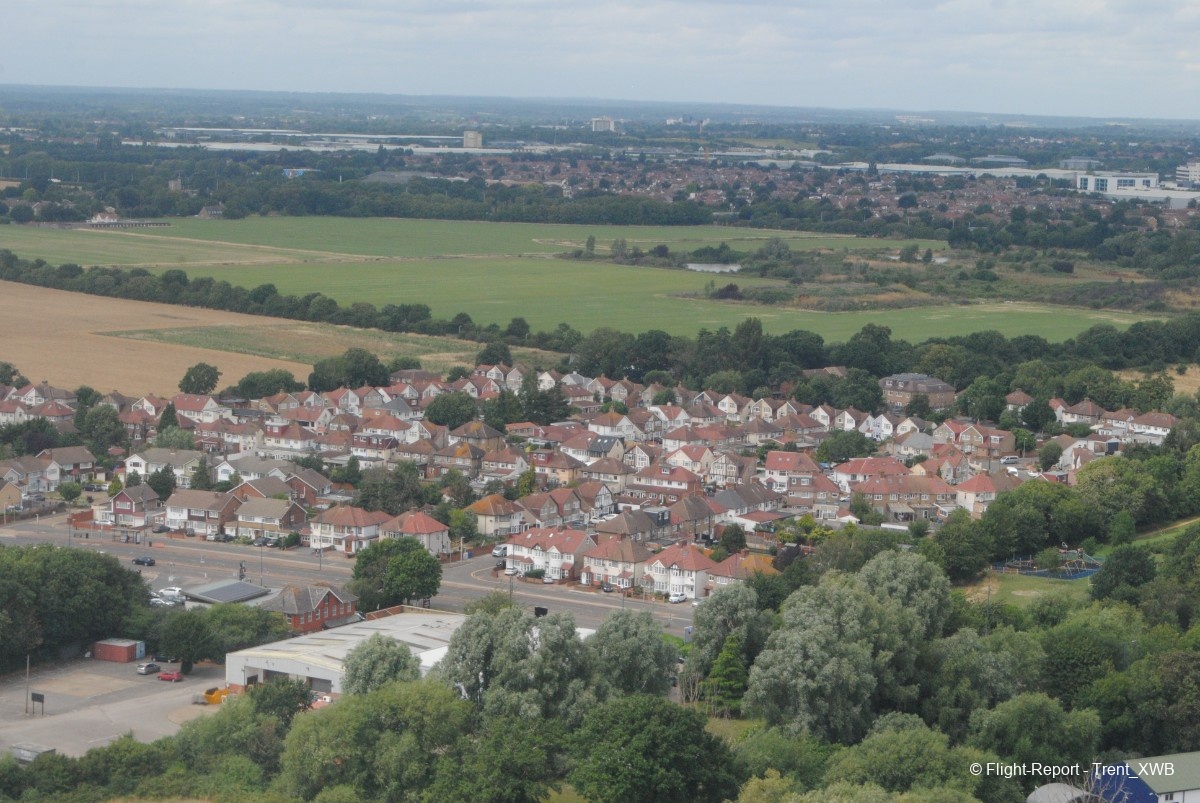
Landing in LHR on the northern runway 09L/27R.
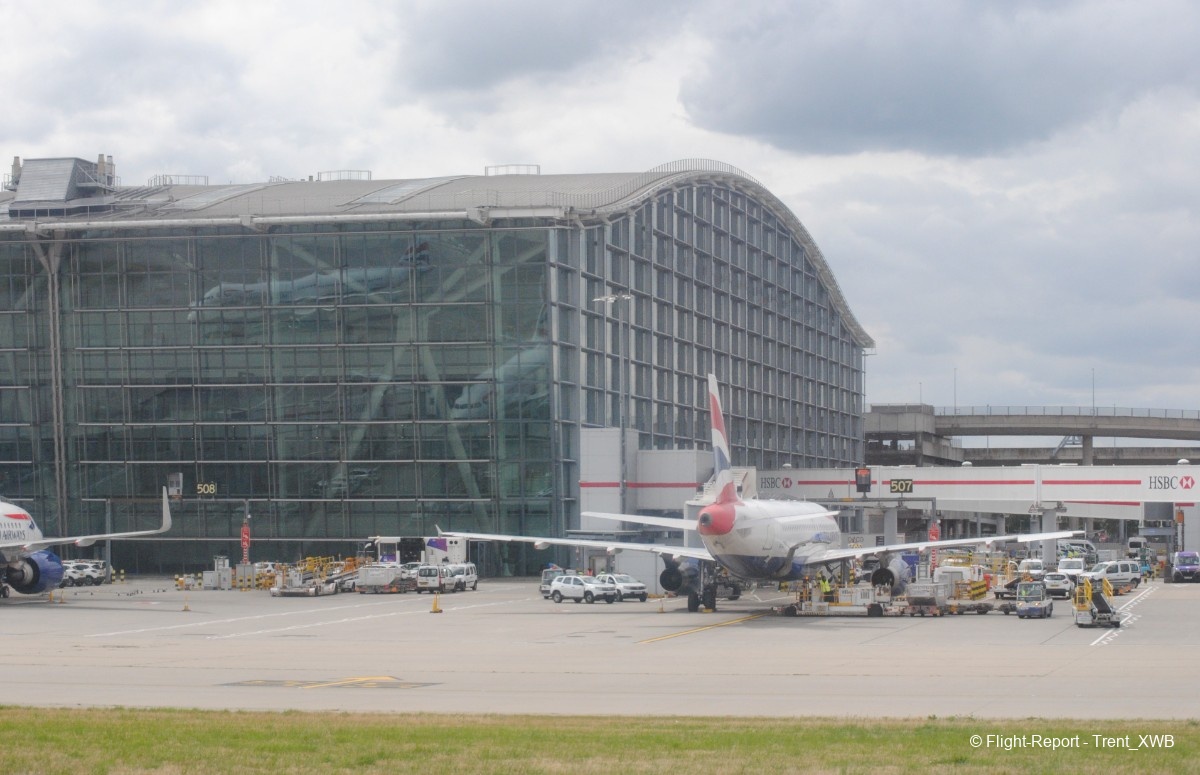
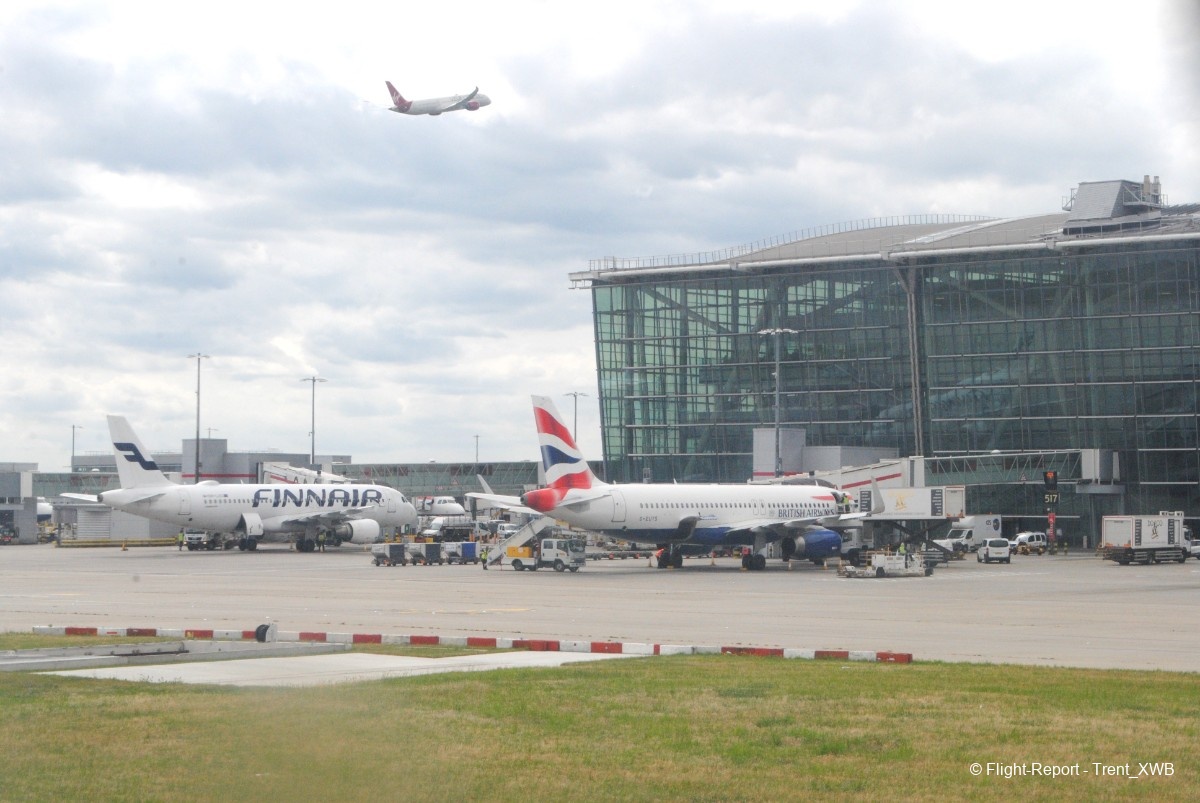
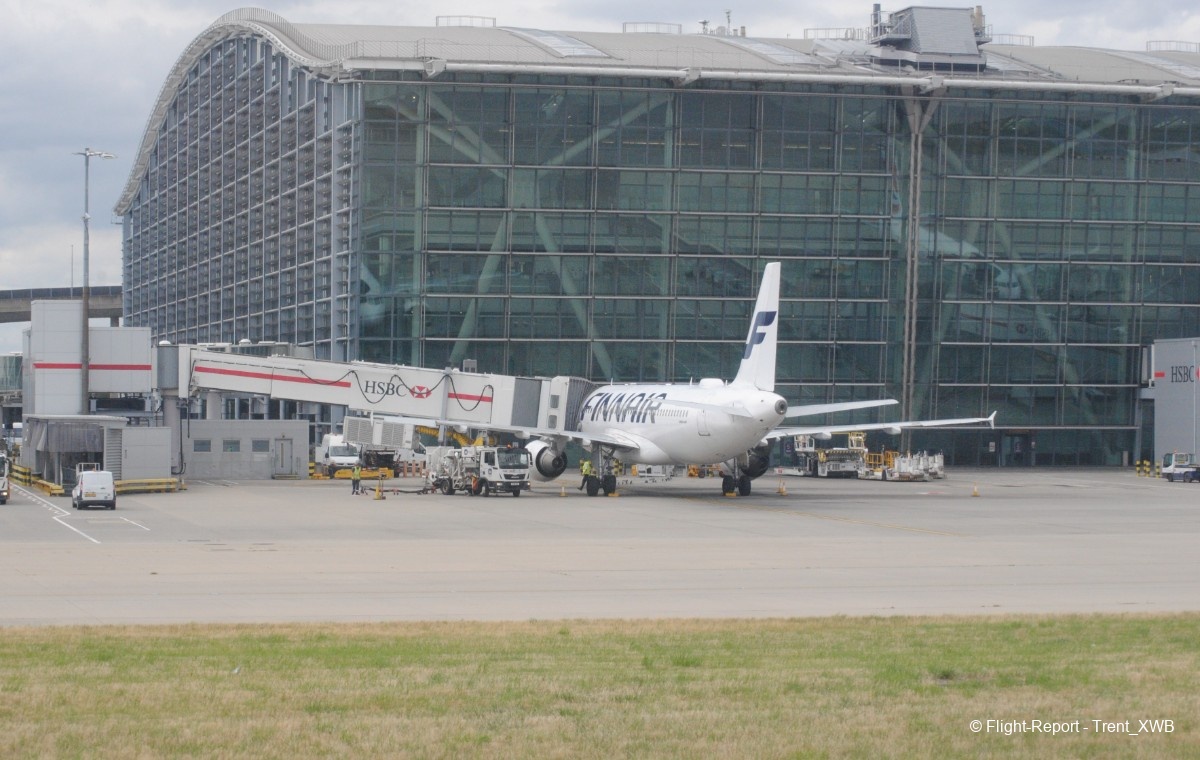
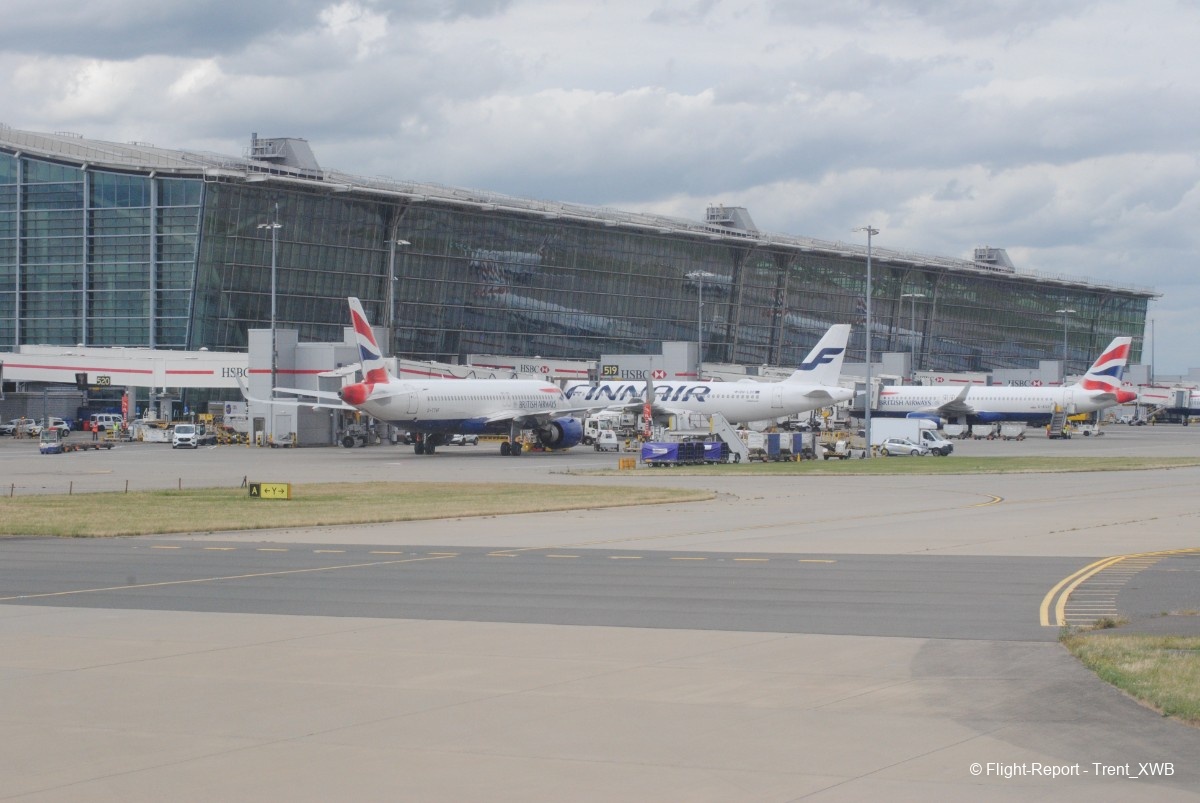
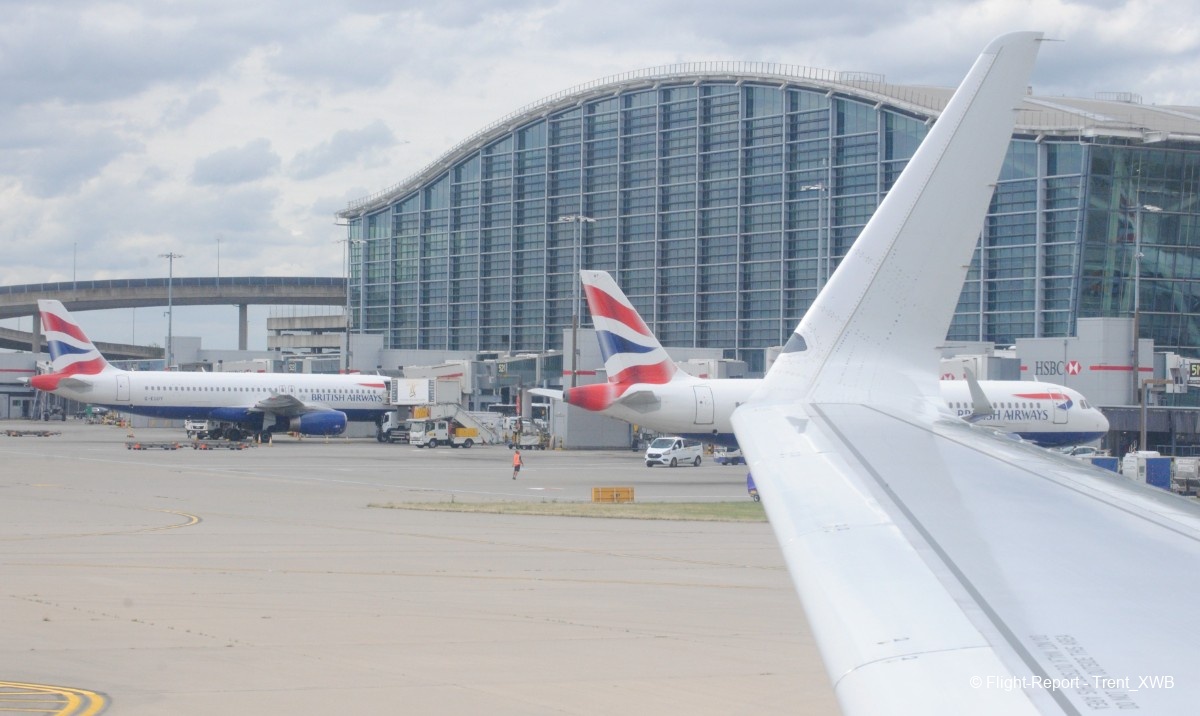
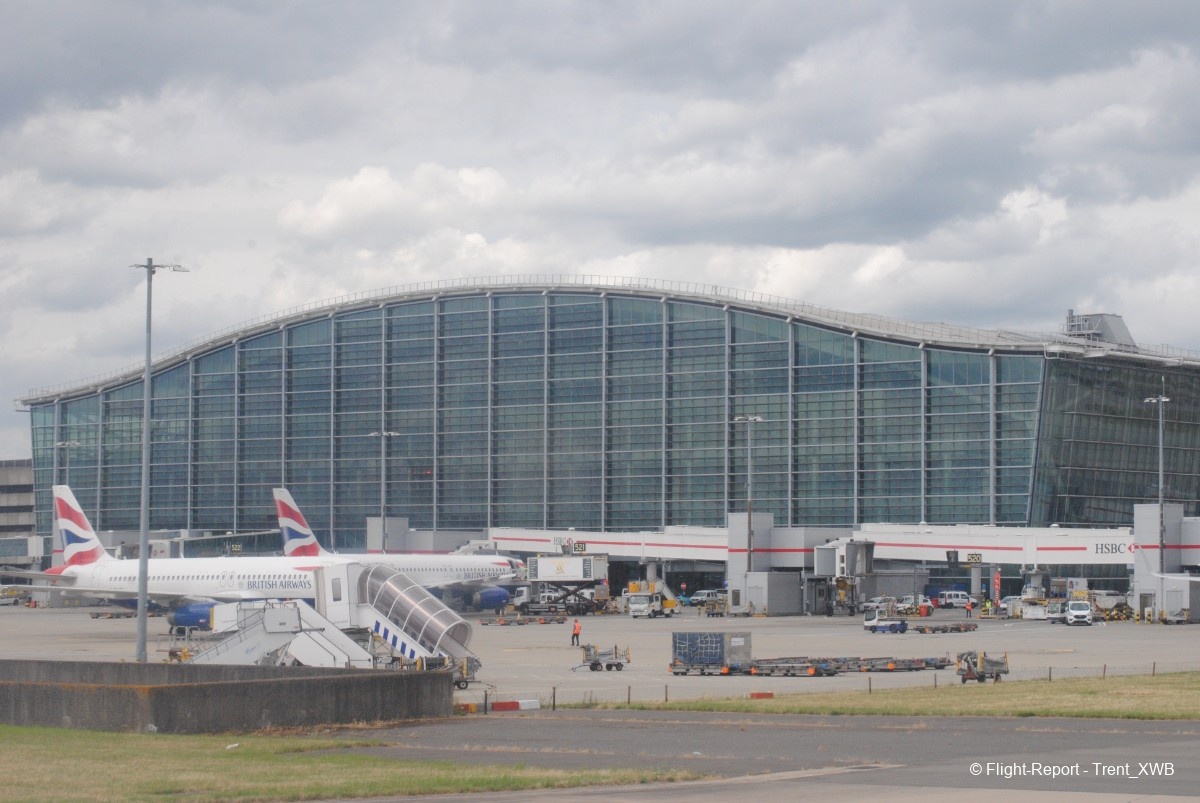
Views of the impressive building of T5A with BA and AY (leased to BA to cover some capacity shortage; AY own flights always operate from T3) narrowbodies as we're taxiing to the gate 522 at its south-western corner. On the second photo of this gallery one can also see VS B789, taking off from the southern runway 09R/27L.
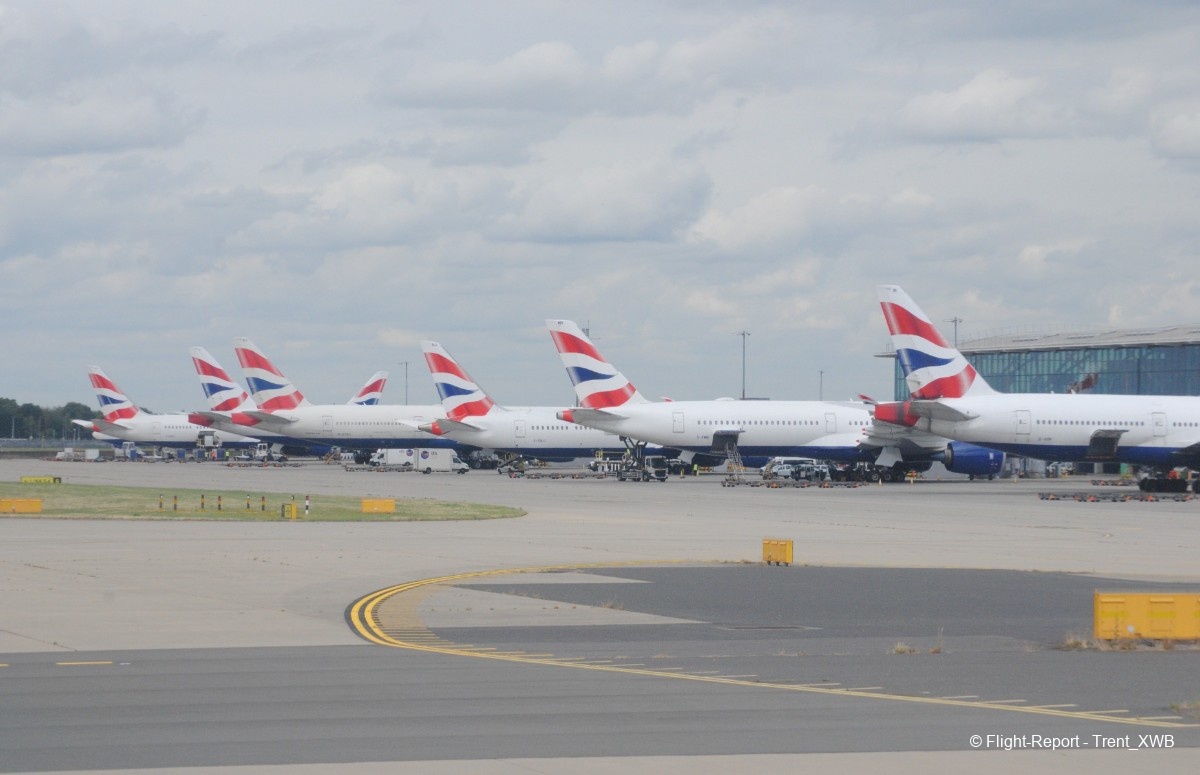
BA widebody tails near the western gates of T5B satellite. Since my first visit in late 2016 the iconic silhouettes of B744s completely vanished during the pandemic, giving the way to the new-gen twins: A35Ks and B78Xs (the latter due to their 4-class layout are the most direct replacement of the phased-out Jumbos). One can notice both types on this photo.
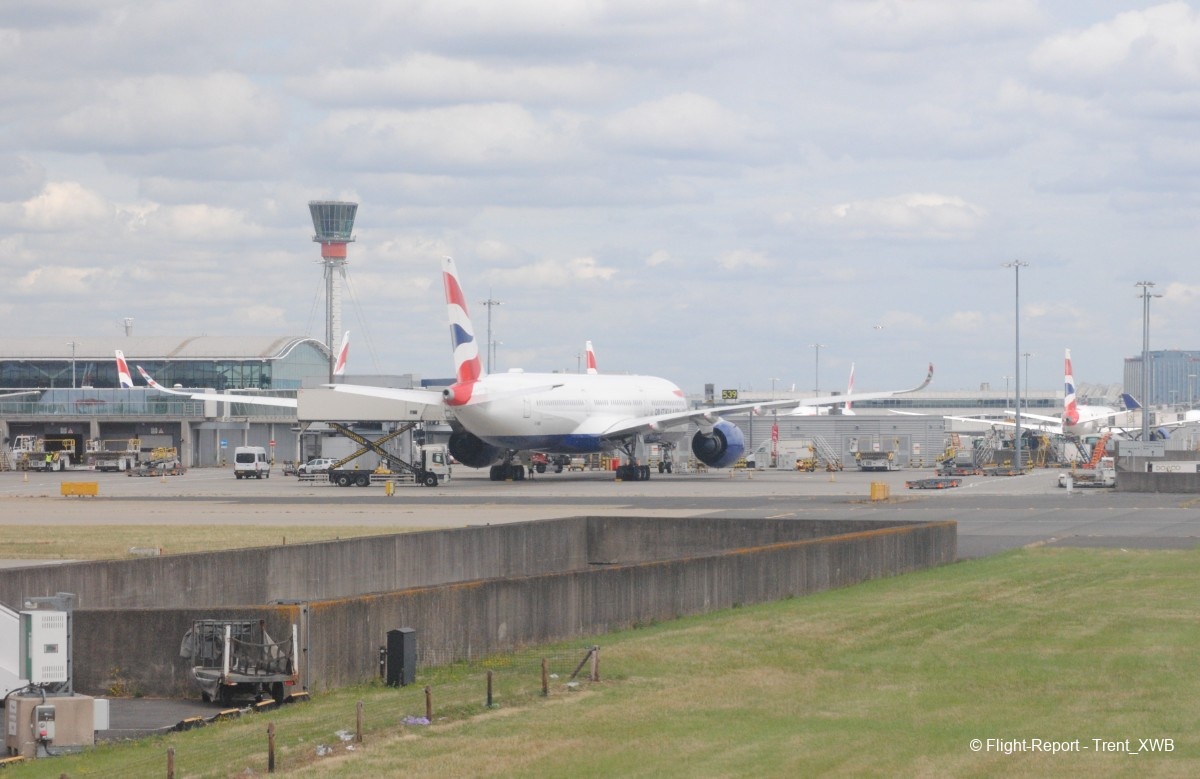
BA A35K (G-XWBL) near the south-western end of T5B. On the backdrop one can see T5C and the iconic ATC tower of LHR.
The Cabin After The Flight
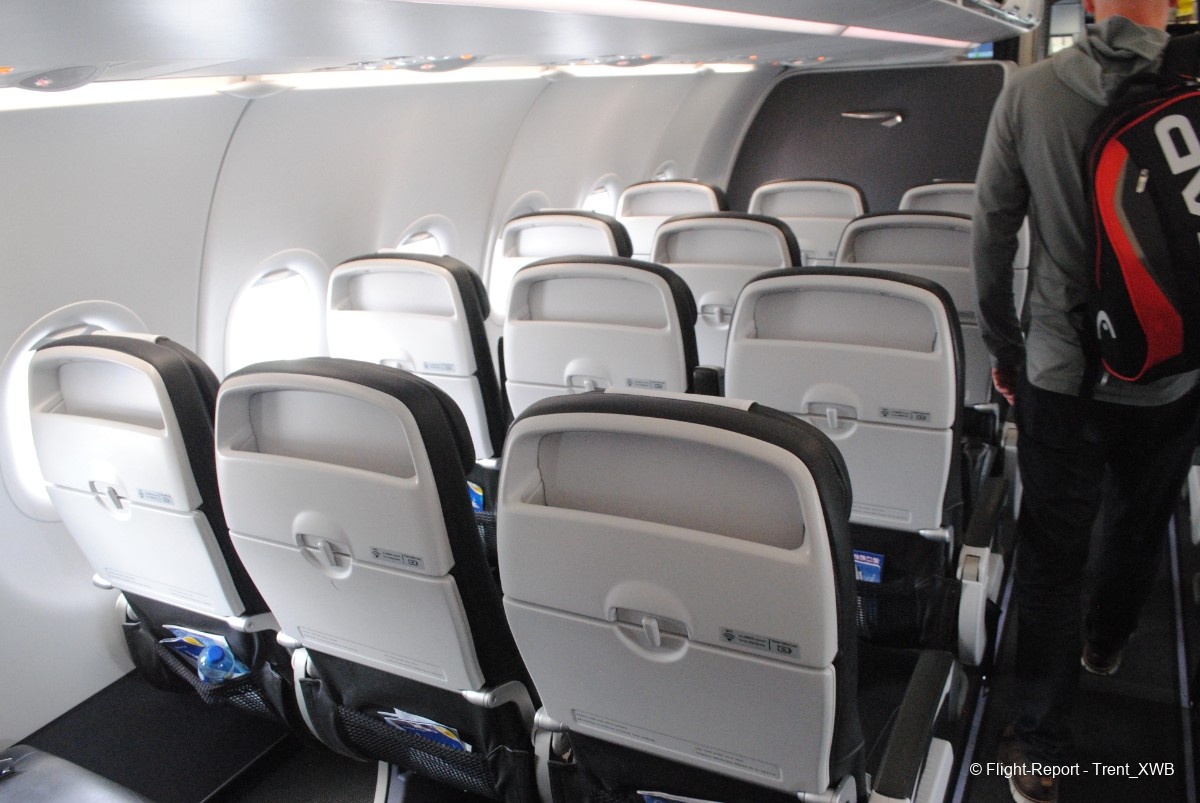
A couple of views of the eurobusiness cabin (which occupied the first 5 rows on this flight) with Collins Pinnacle seats. Let's remind one more time that if you're flying a BA A20N, I'd recommend to choose row number no larger than 12 - this guarantees you'll find yourself in the spacious and comfortable Collins seat.
London Heathrow Airport (LHR), Terminal 5A
T5A LHR serves narrowbody flights of BA and also of its oneworld partners from the opposite parts of EU - IB and AY.
A view of gate 521, adjacent to our arrival gate 522.
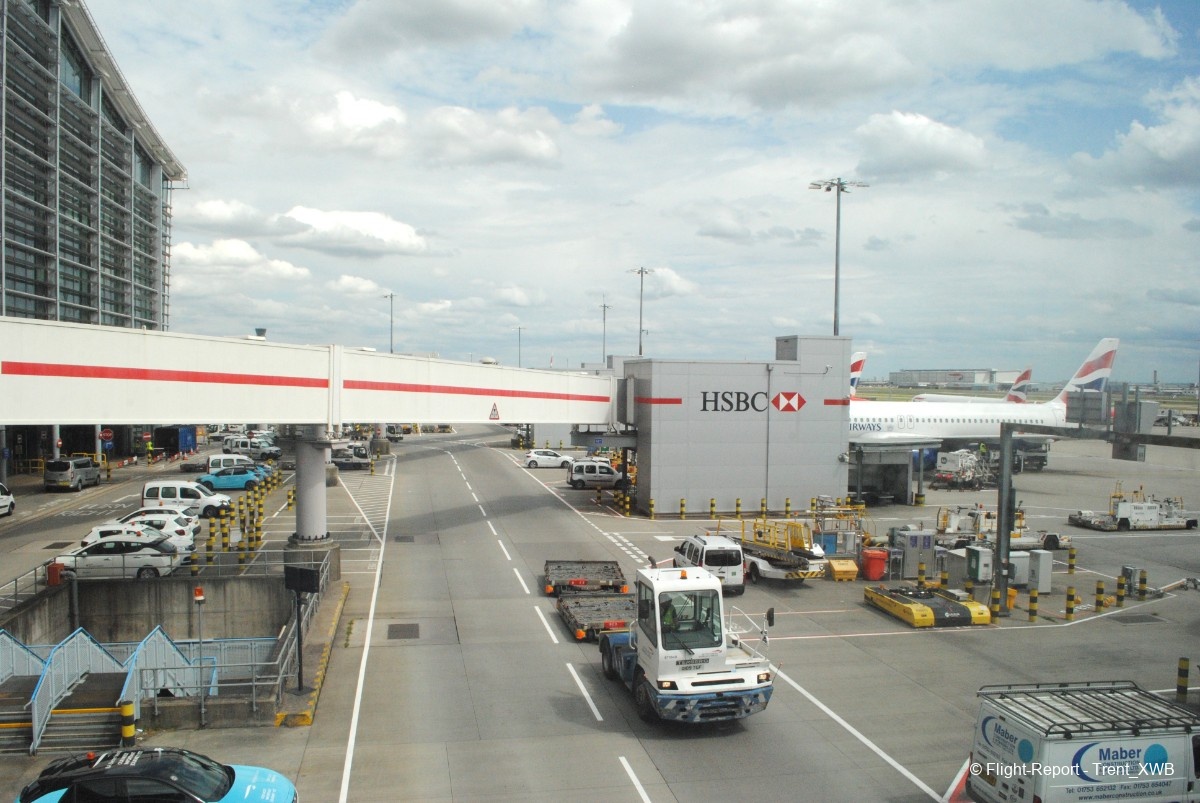
As gate 522 is one of the farthest in T5A, one has to walk quite a long way through the transit gallery. One can see that due to the constructions of the windows T5A is not especially planespotting-friengly.
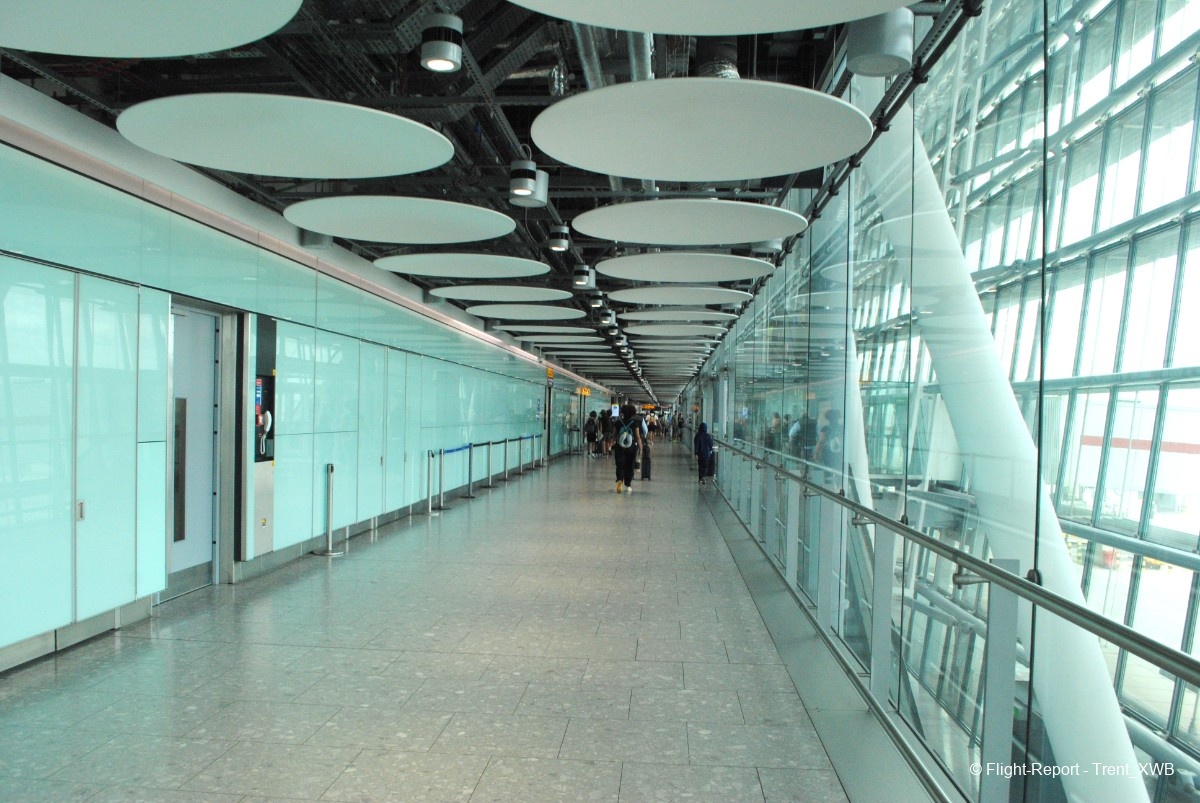
A view of one of the bus gates from the gallery.
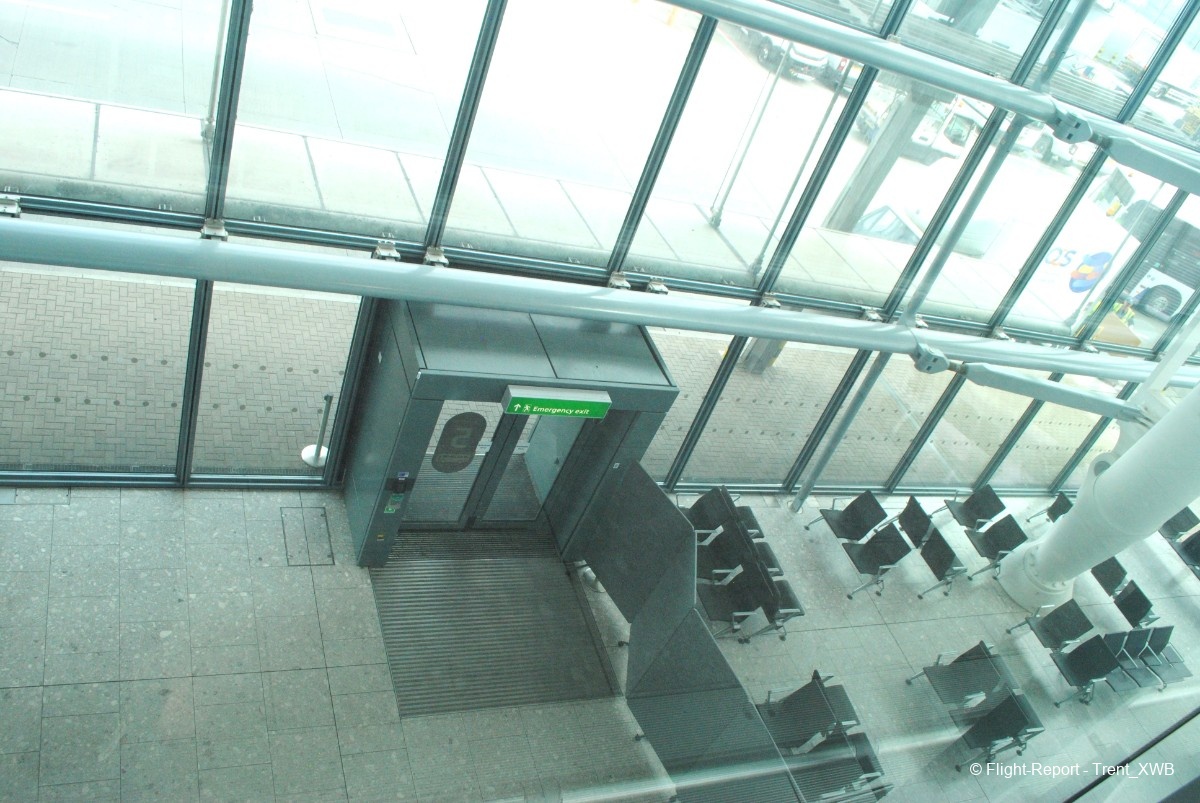
The continuation of the transit gallery along the eastern facade.
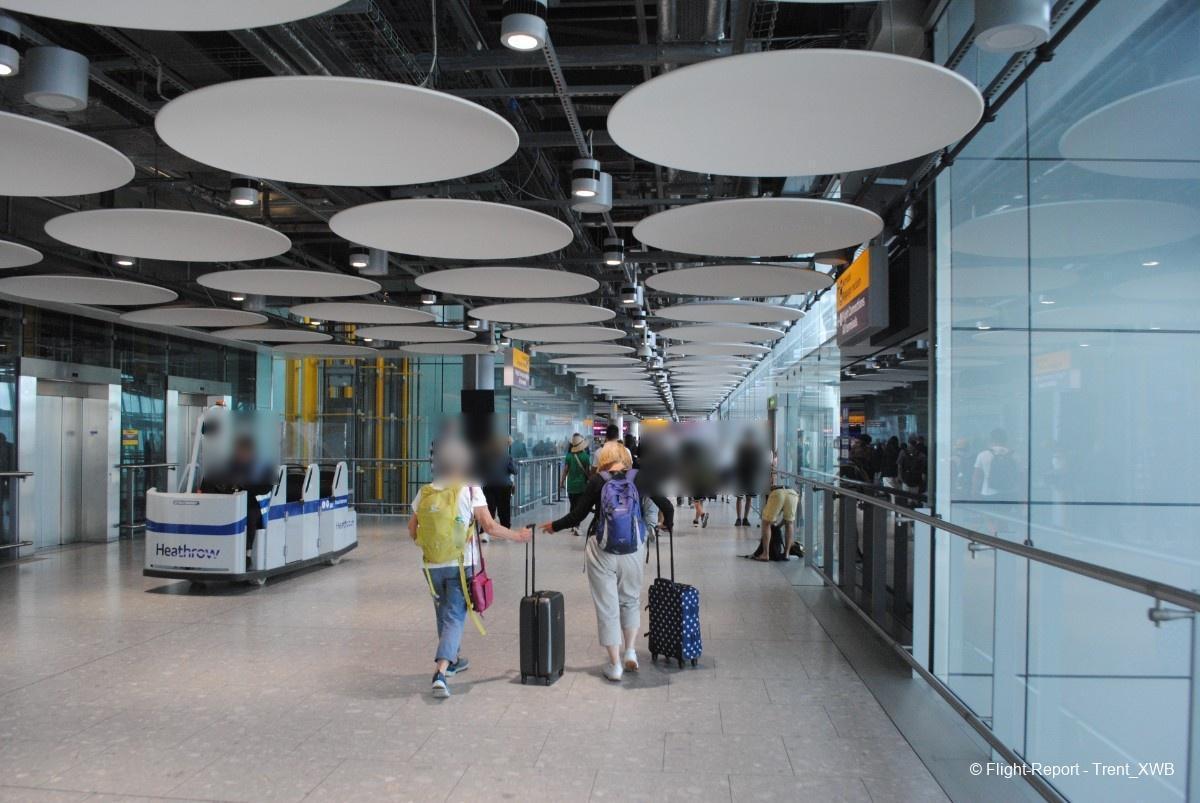
Bifurcation point of the transit area. To the right is immigration, straight is the security control for the passengers, connecting in T5 and exit to shuttle buses to other terminals.
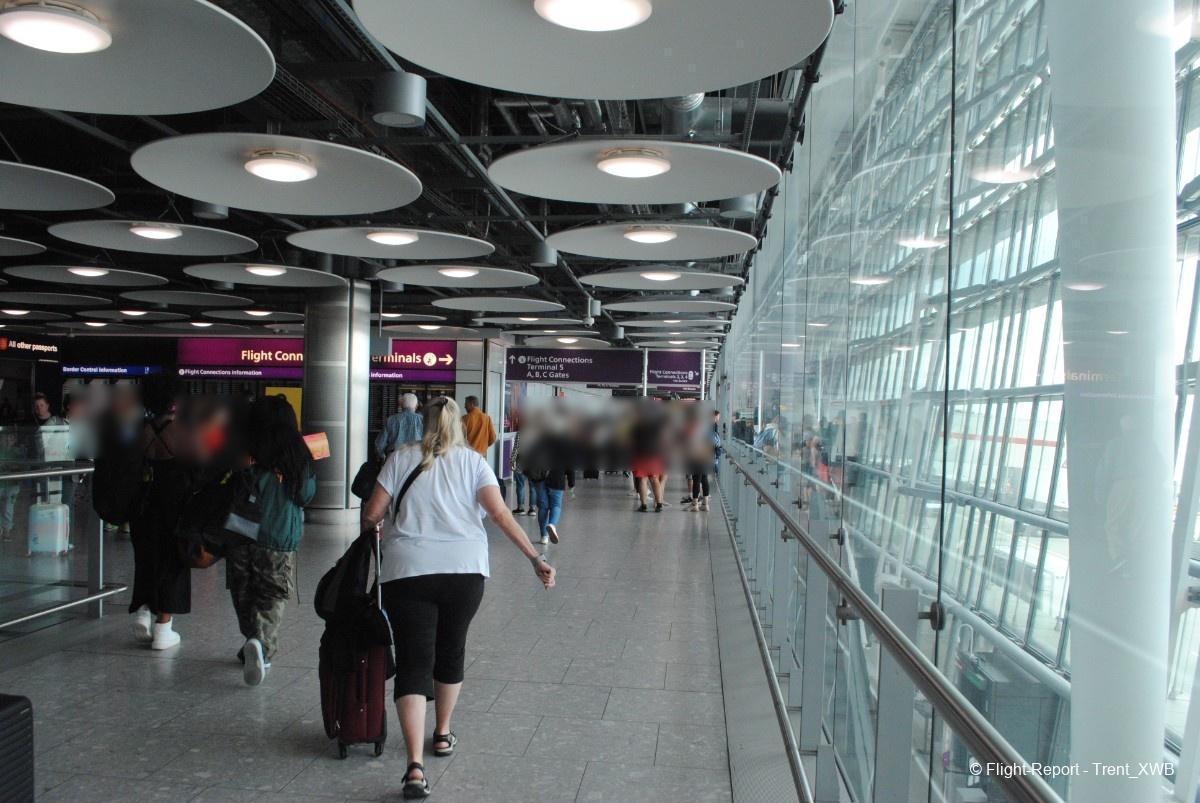
Straight is connections in T5, to the right are shuttle buses to the other terminals.
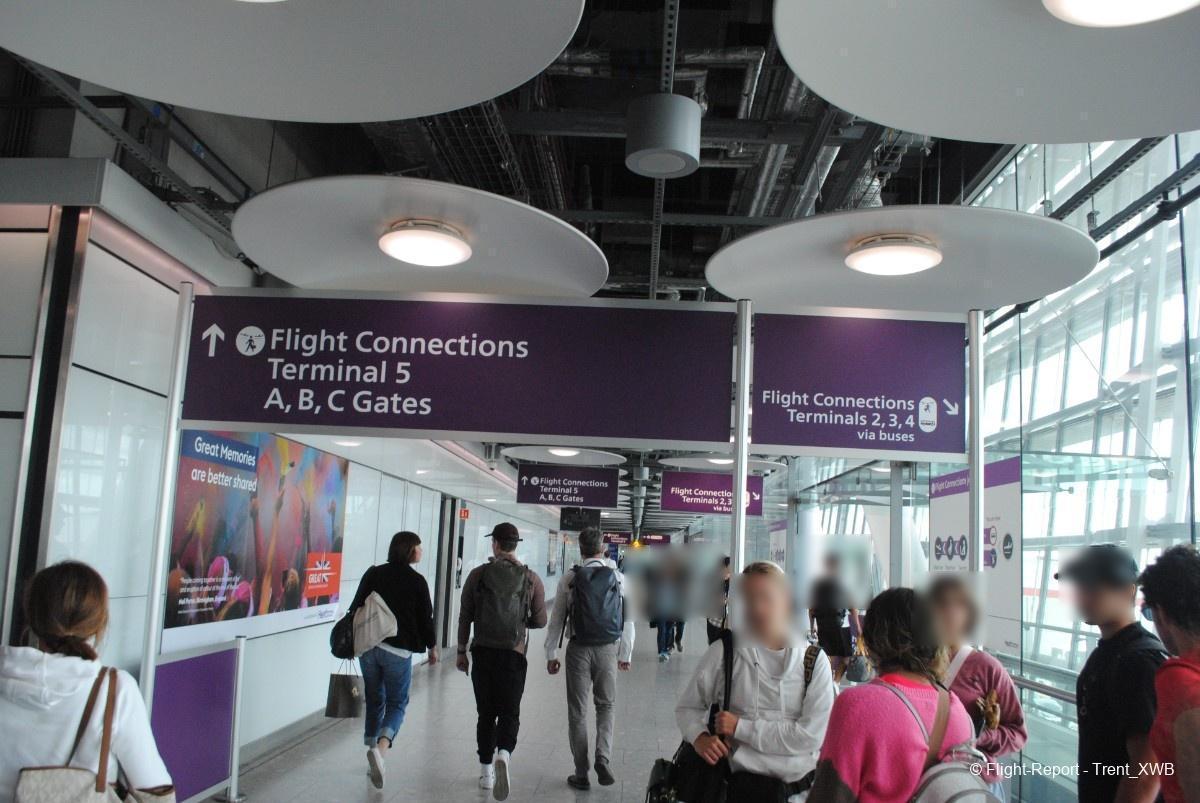
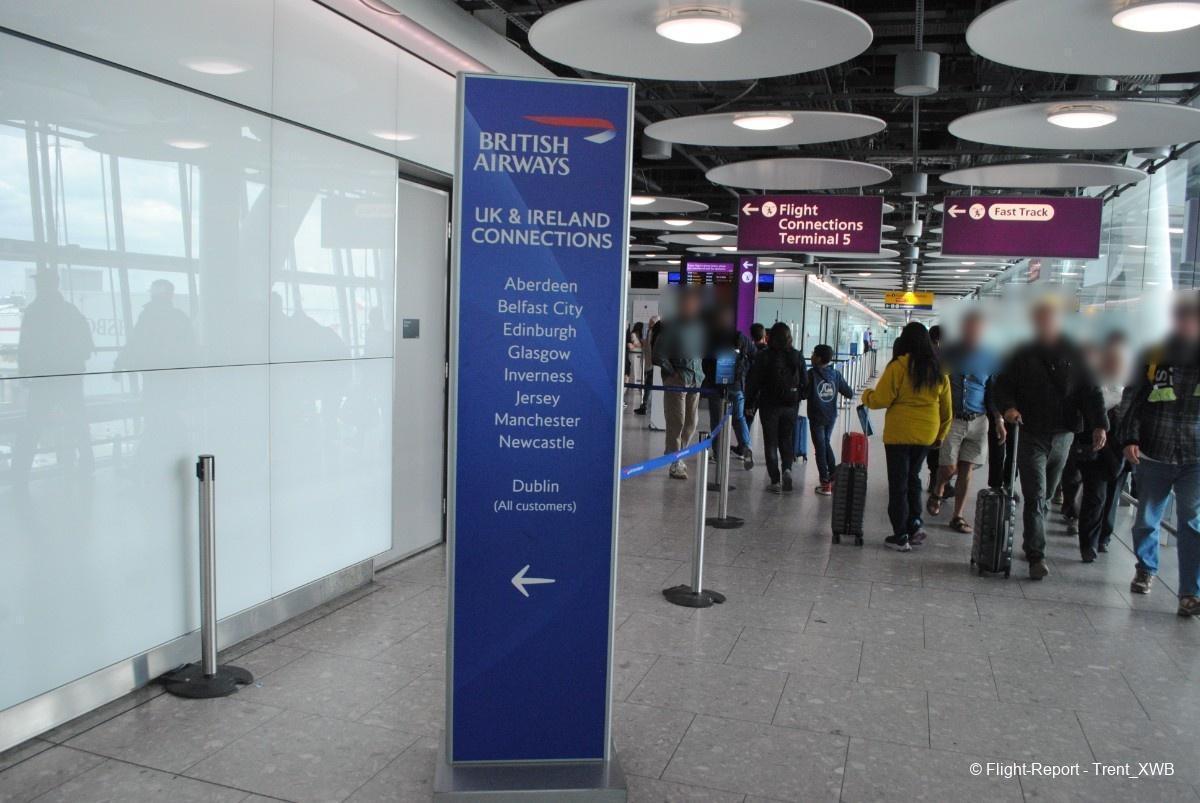
There are separate security controls for UK/Ireland connections and International/Europe connections.
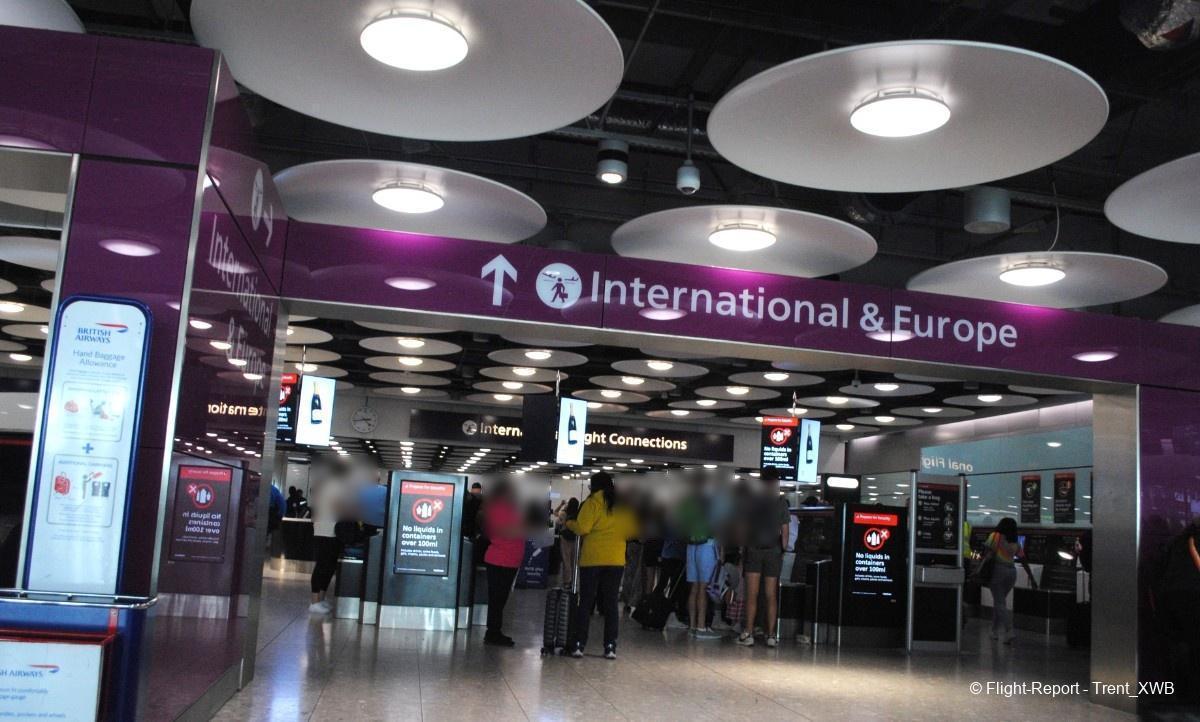
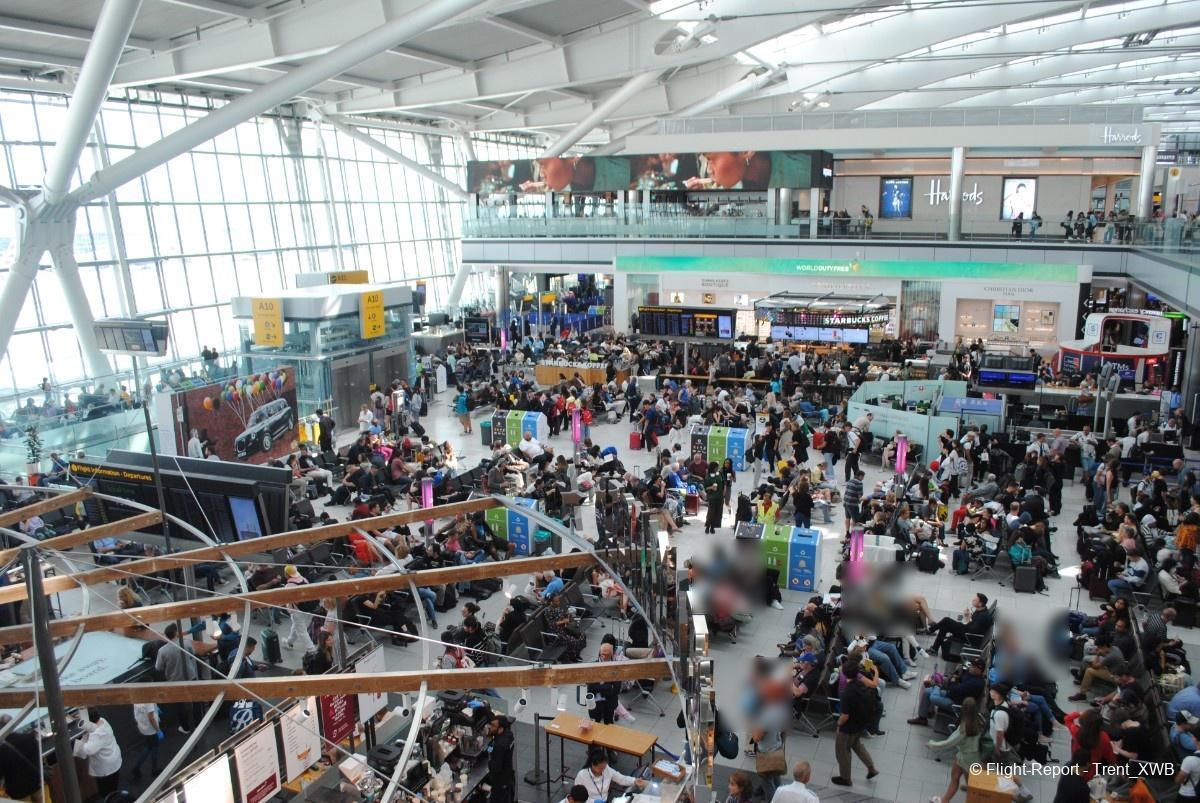
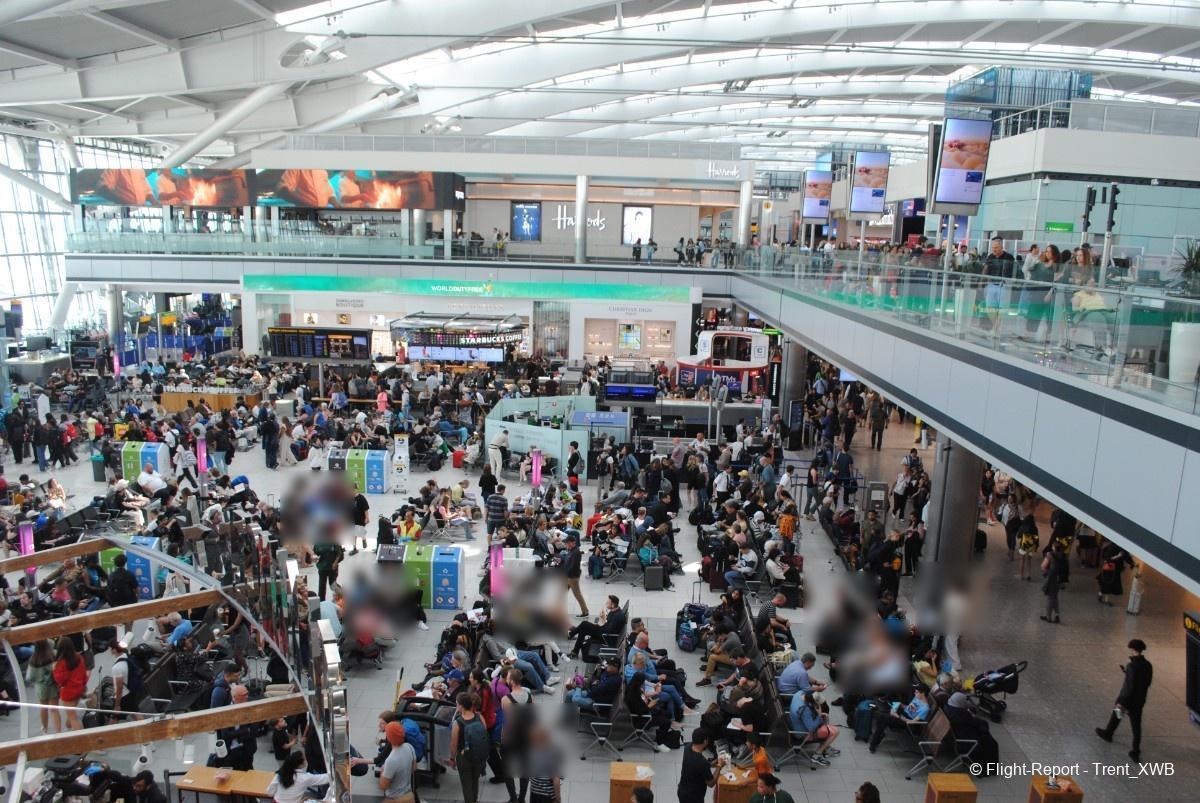
After security one finds oneself at the mezzanine of the spacious airside hall of T5A. If you wonder how does the flag carrier's terminal of the Europe's busiest airport look during the peak hour - you can see the answer on these photos.
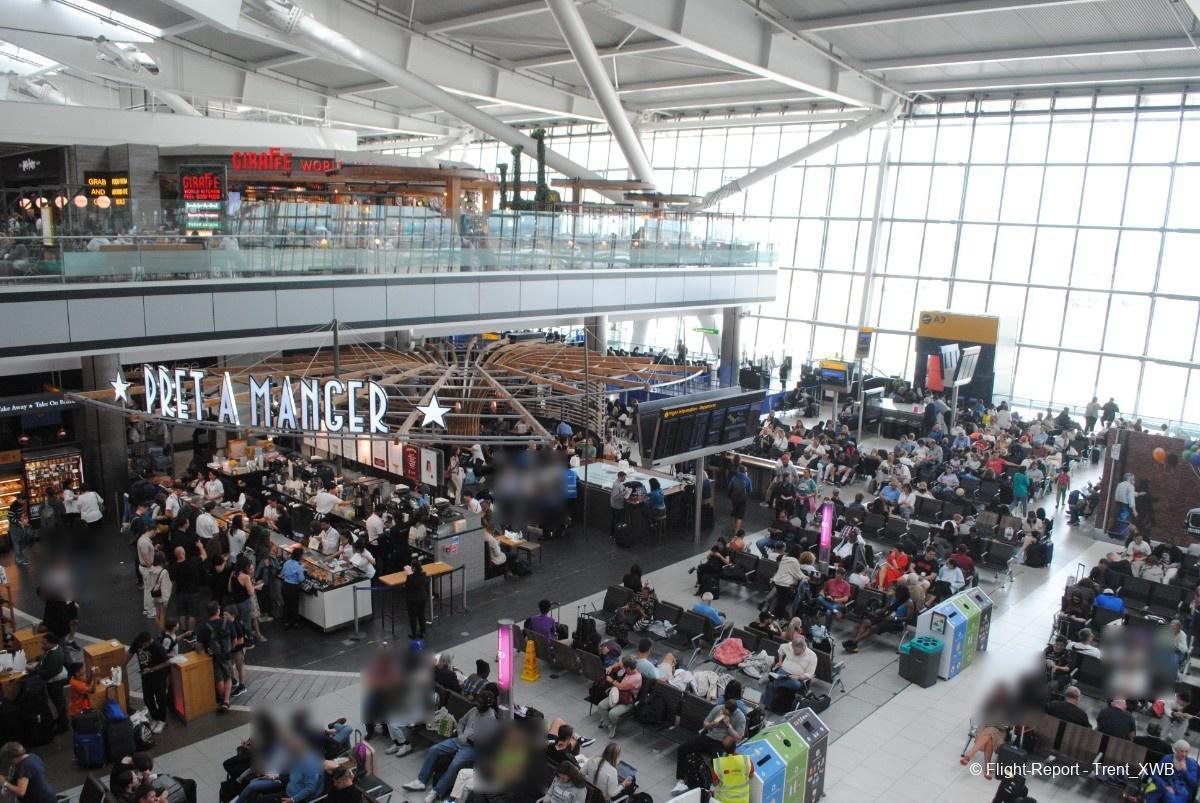
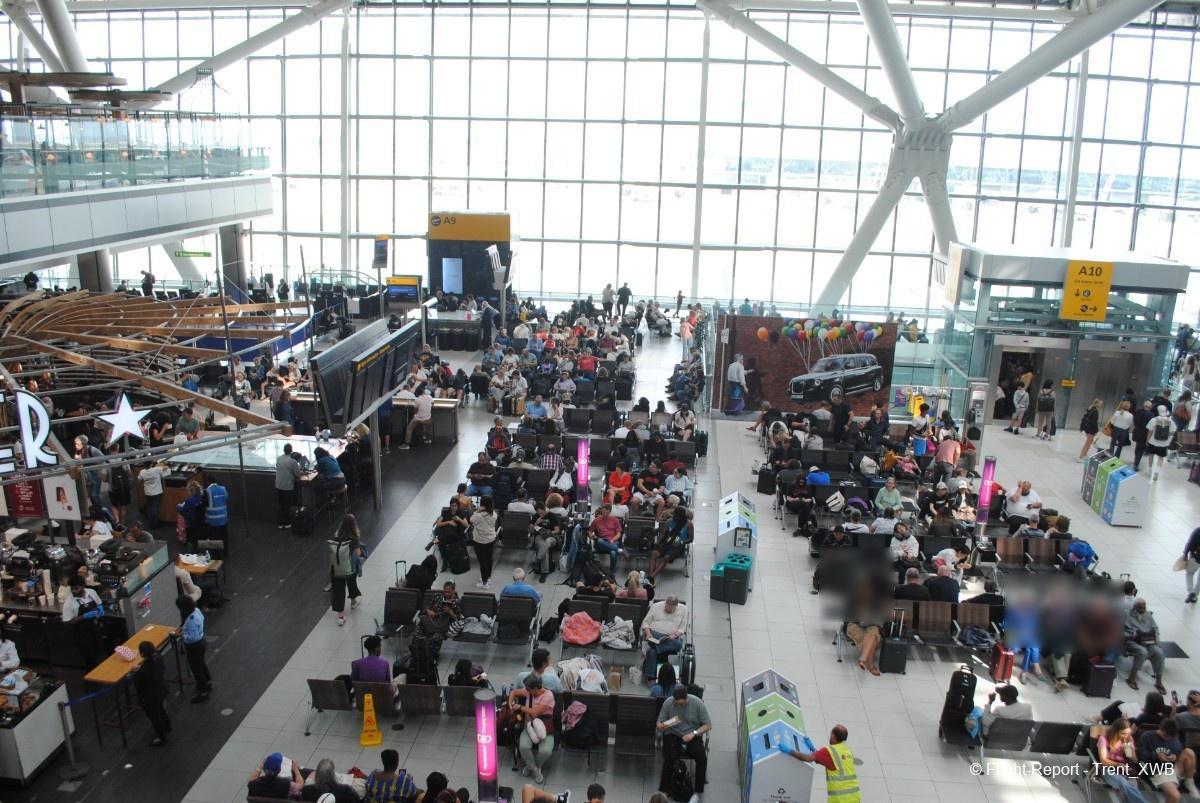
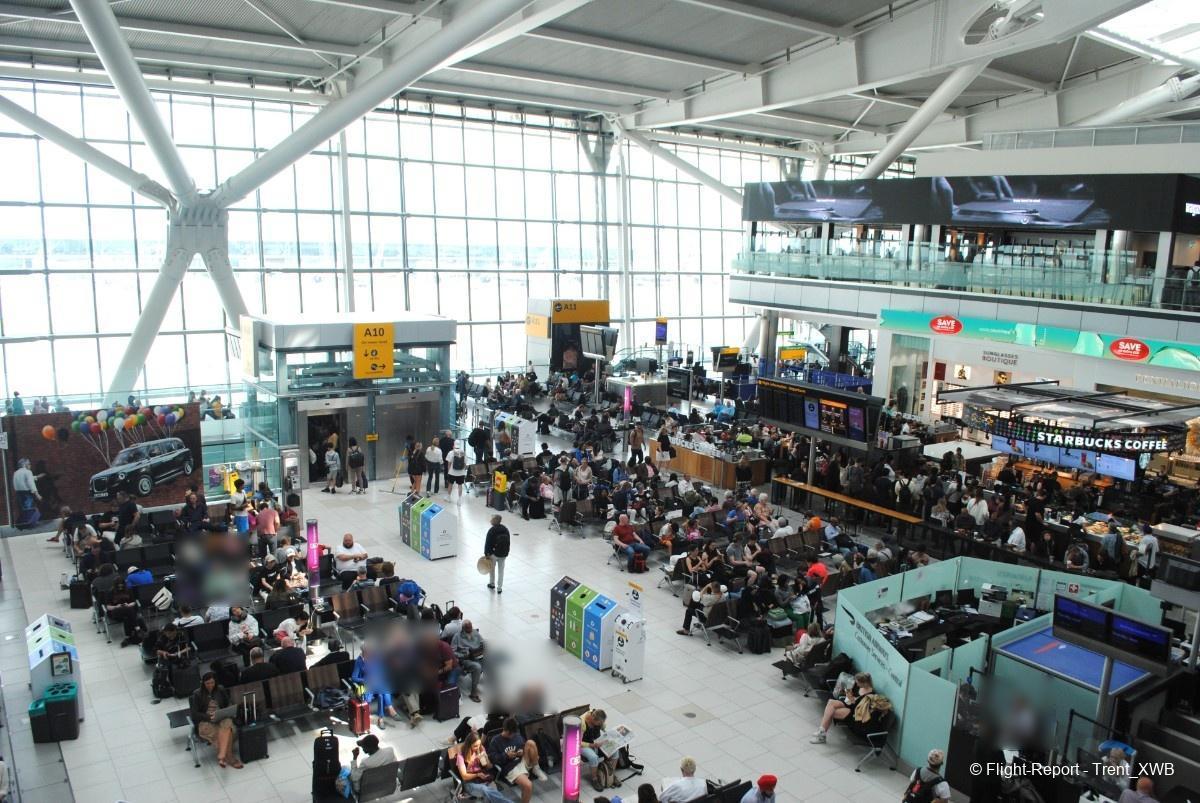
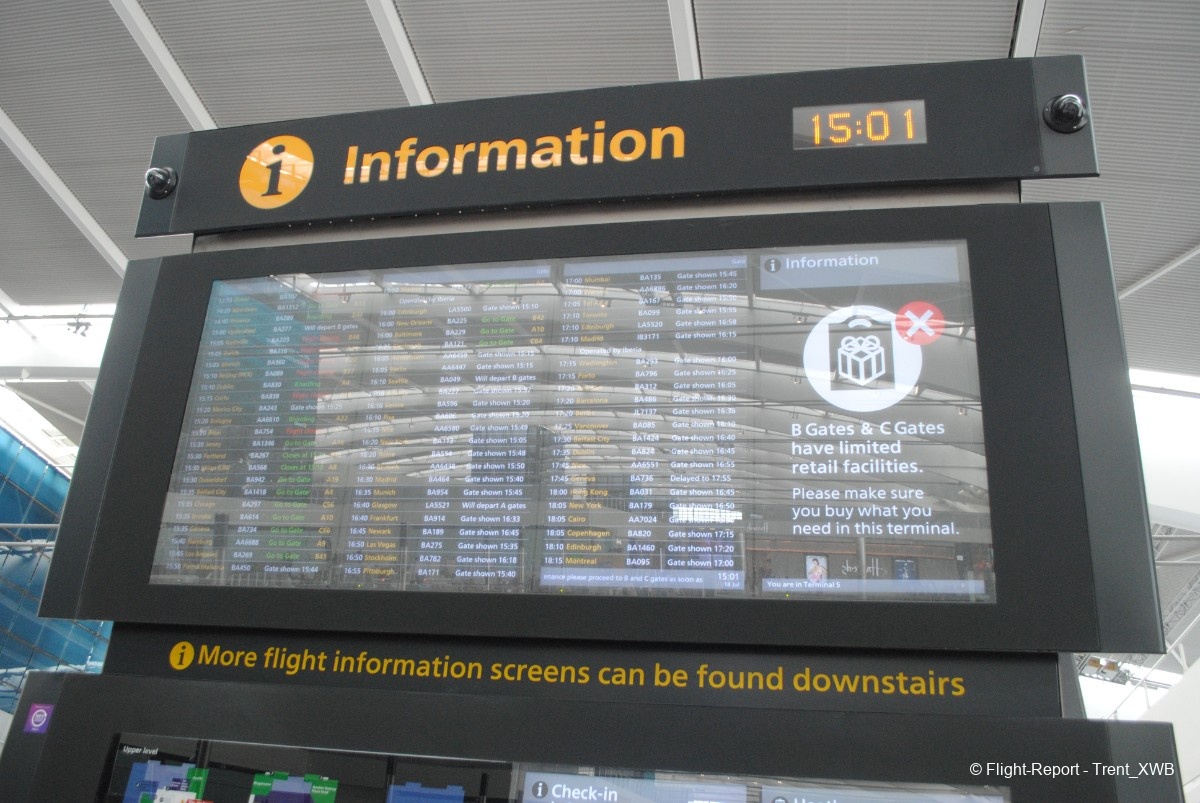
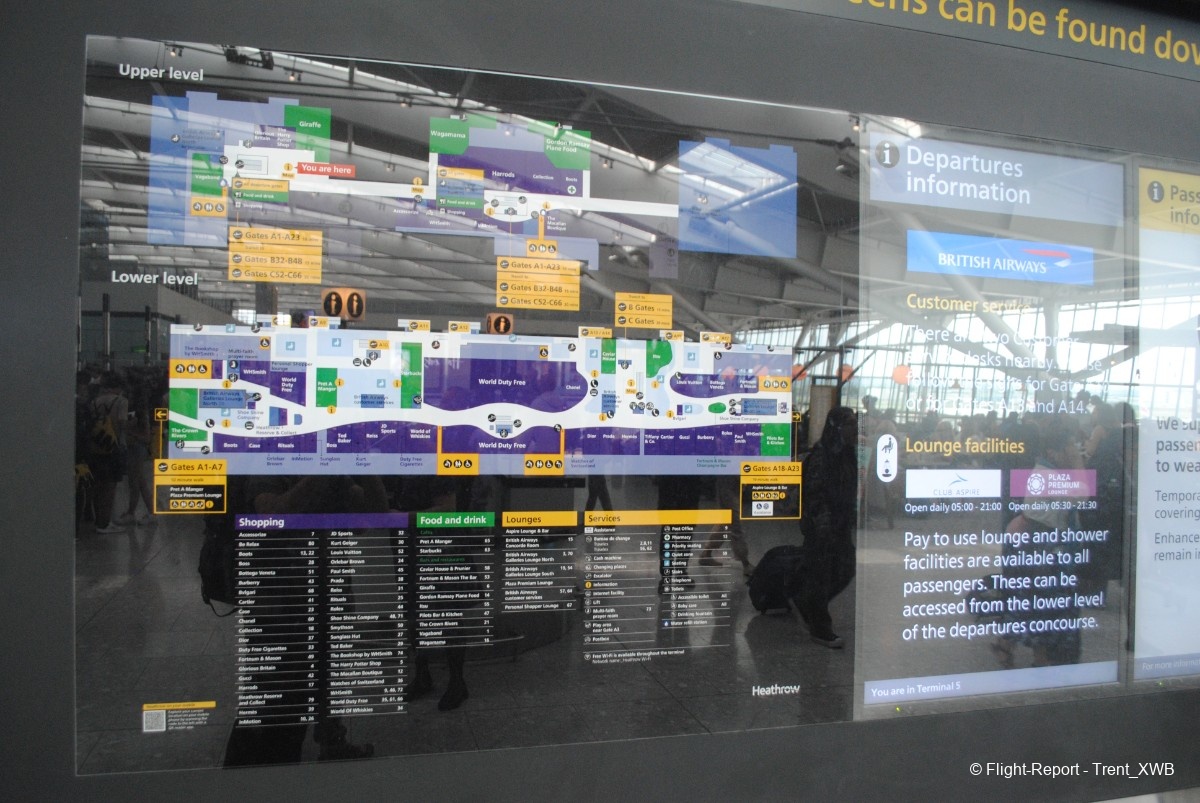
FID and terminal map at the mezzanine.
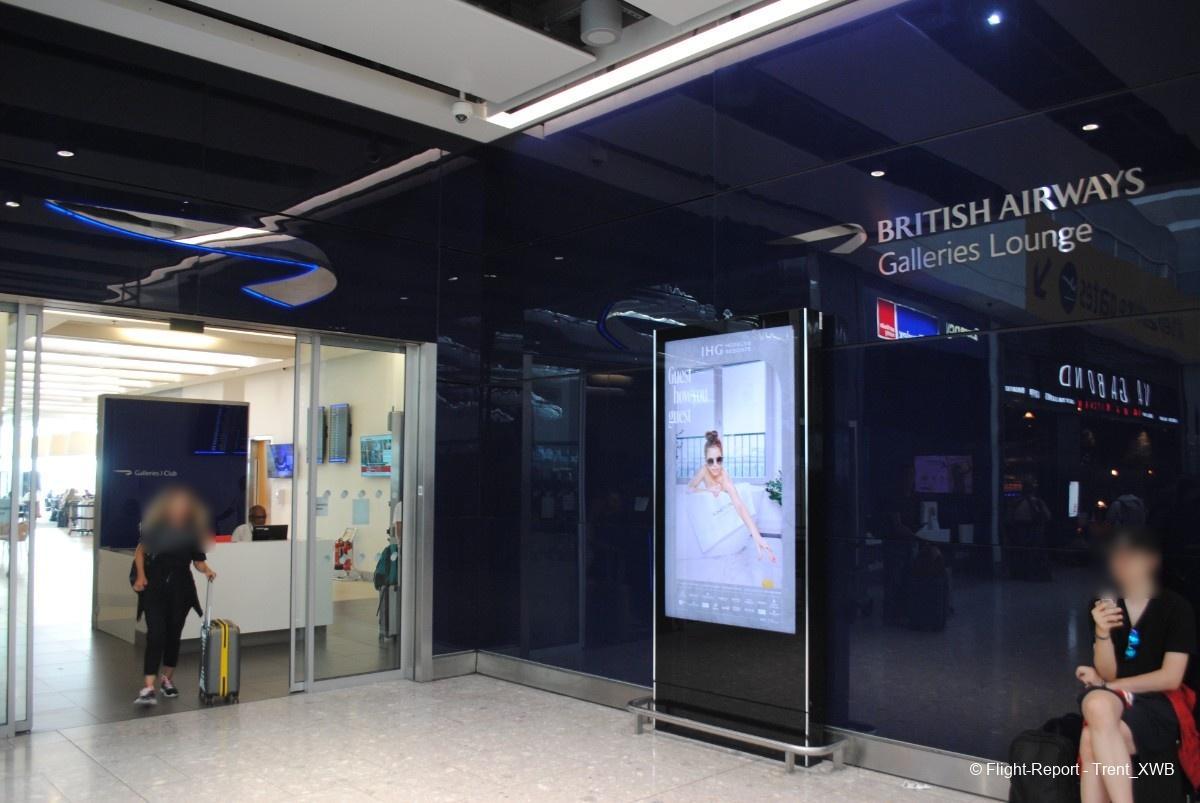
Some views of the mezzanine, including BA lounge and some souvenir shops.
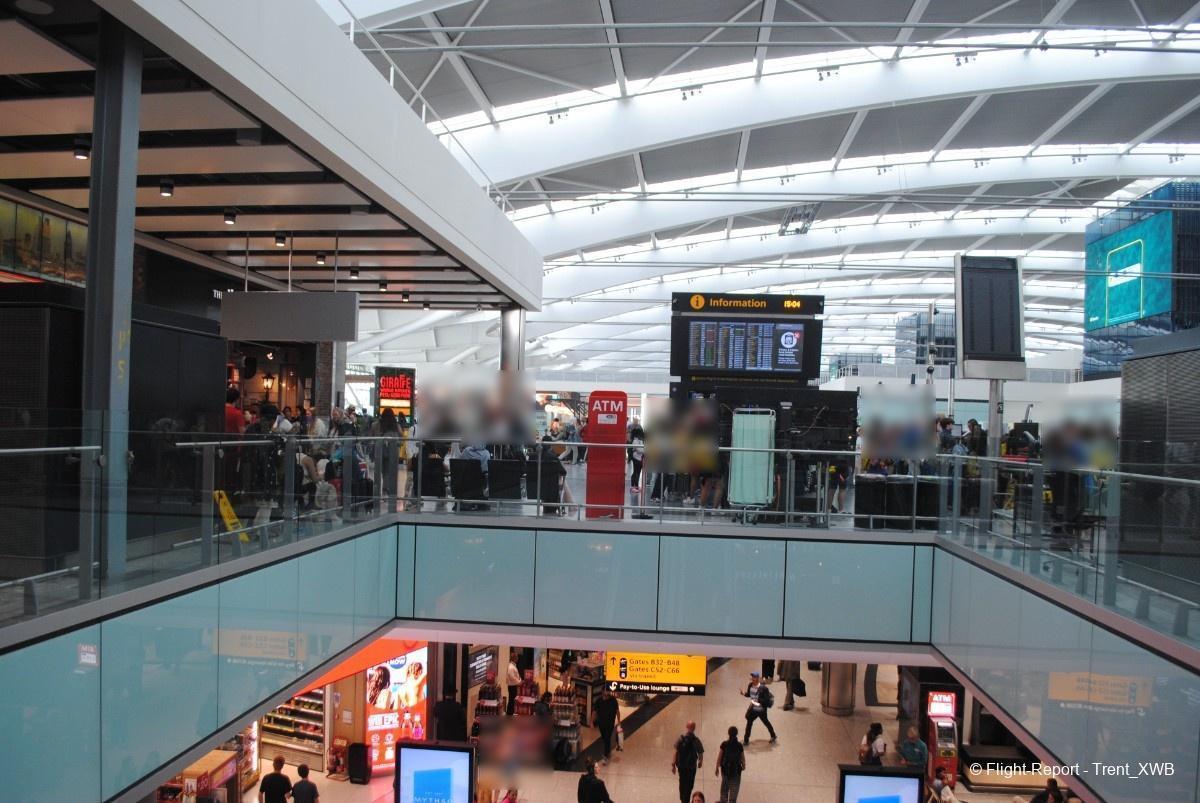
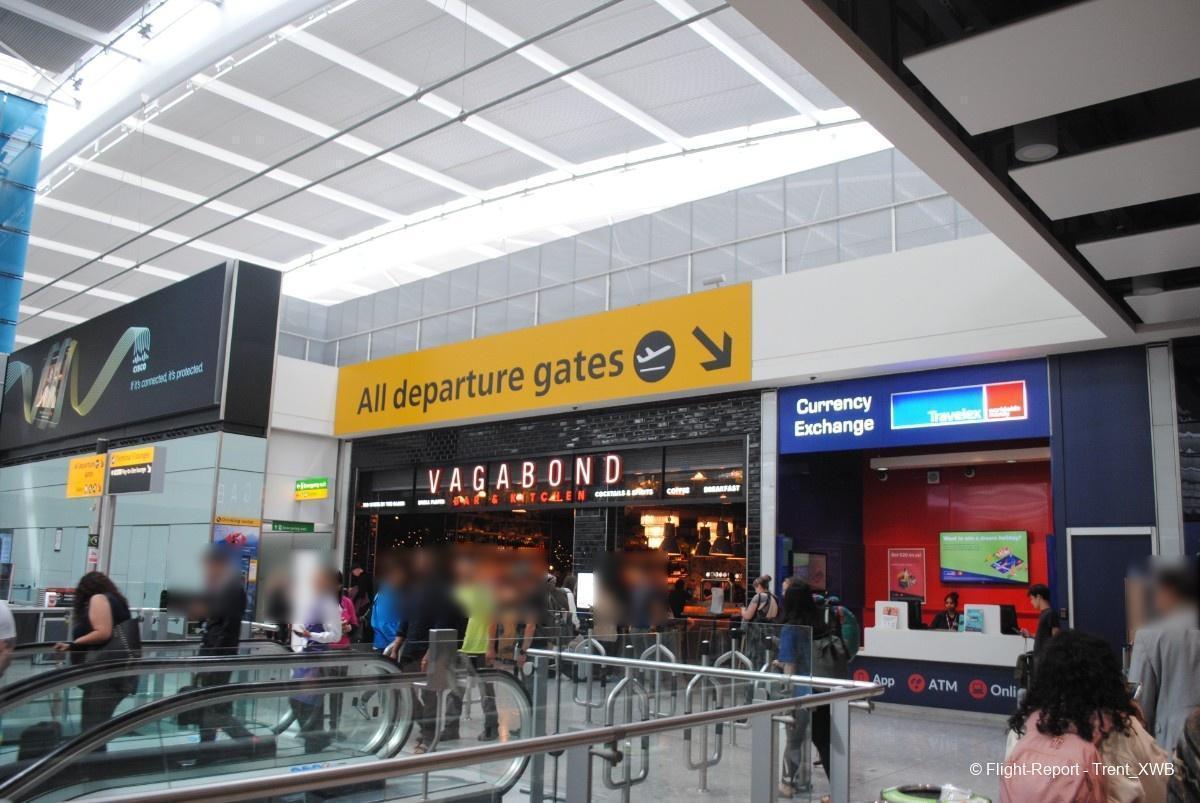
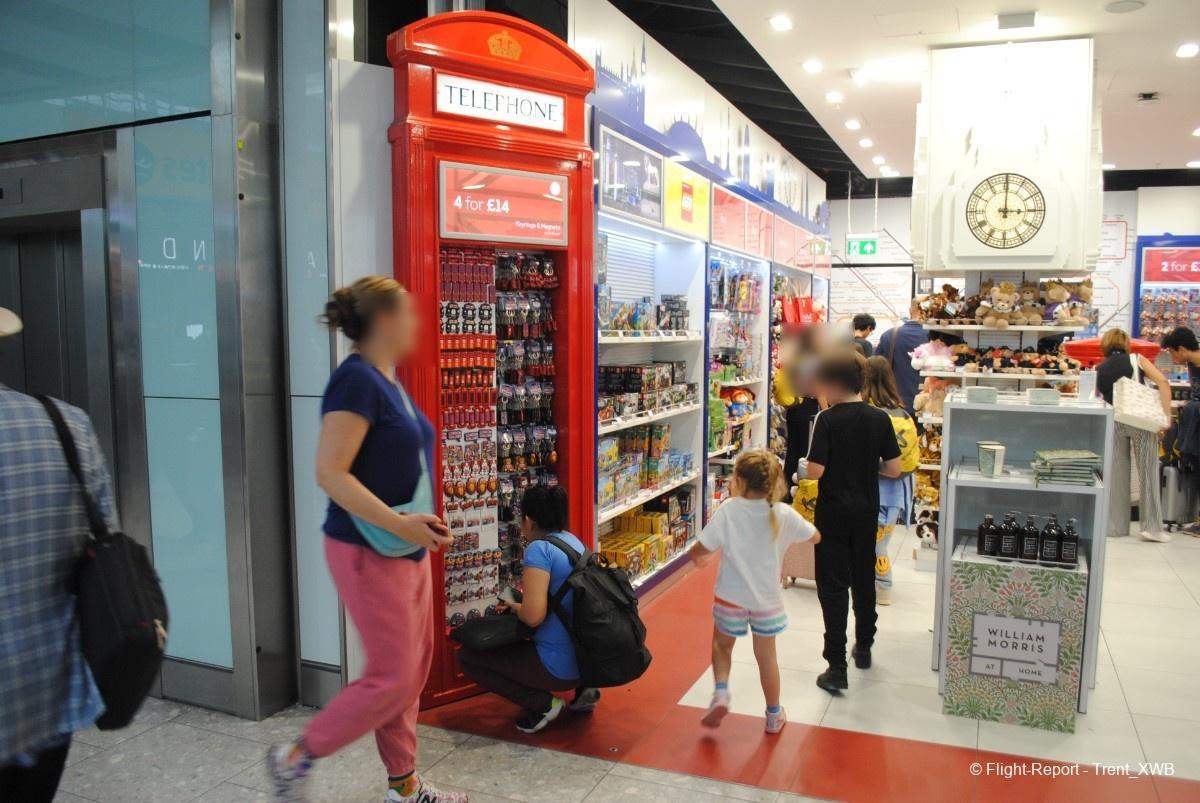
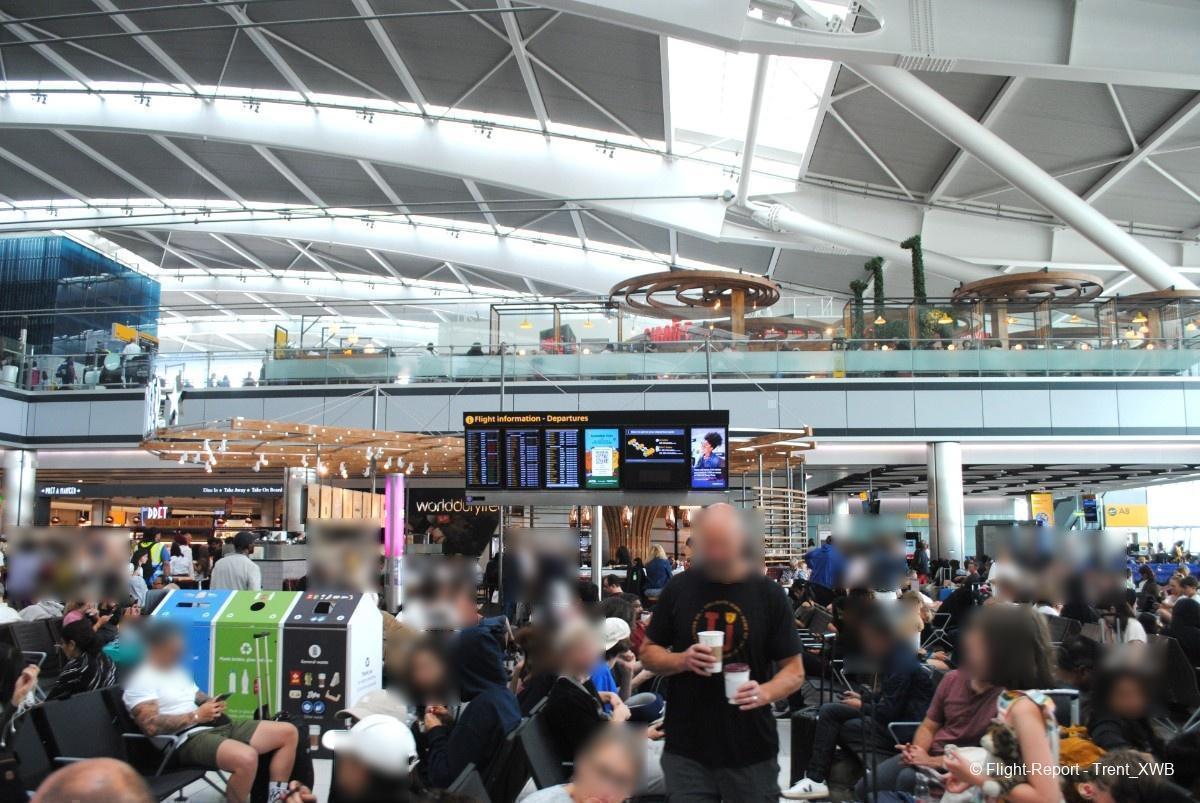
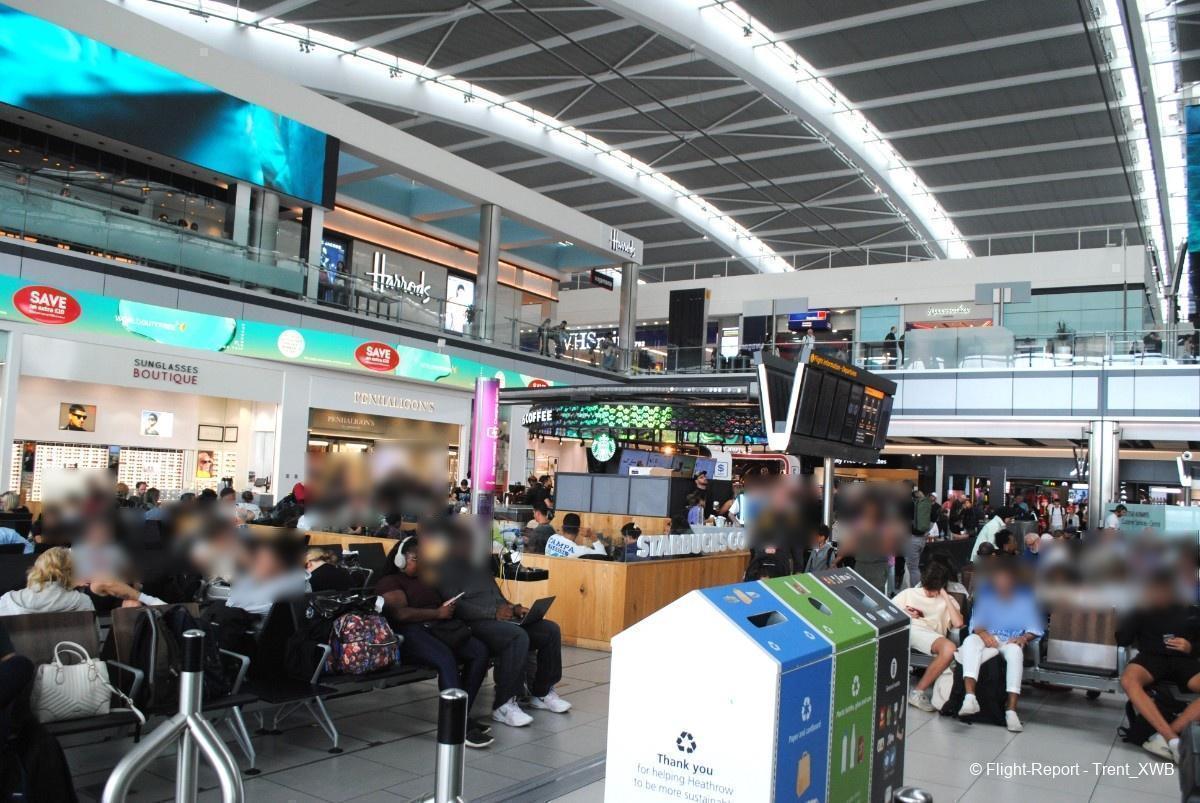
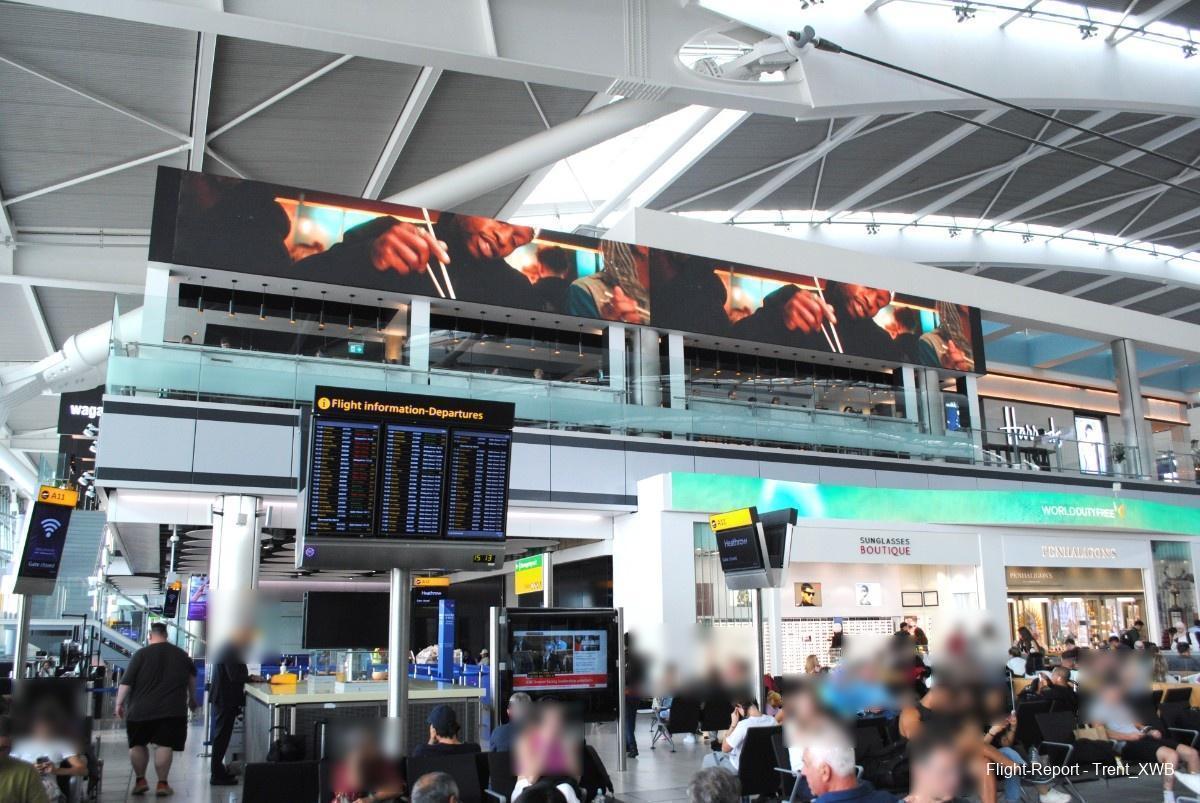
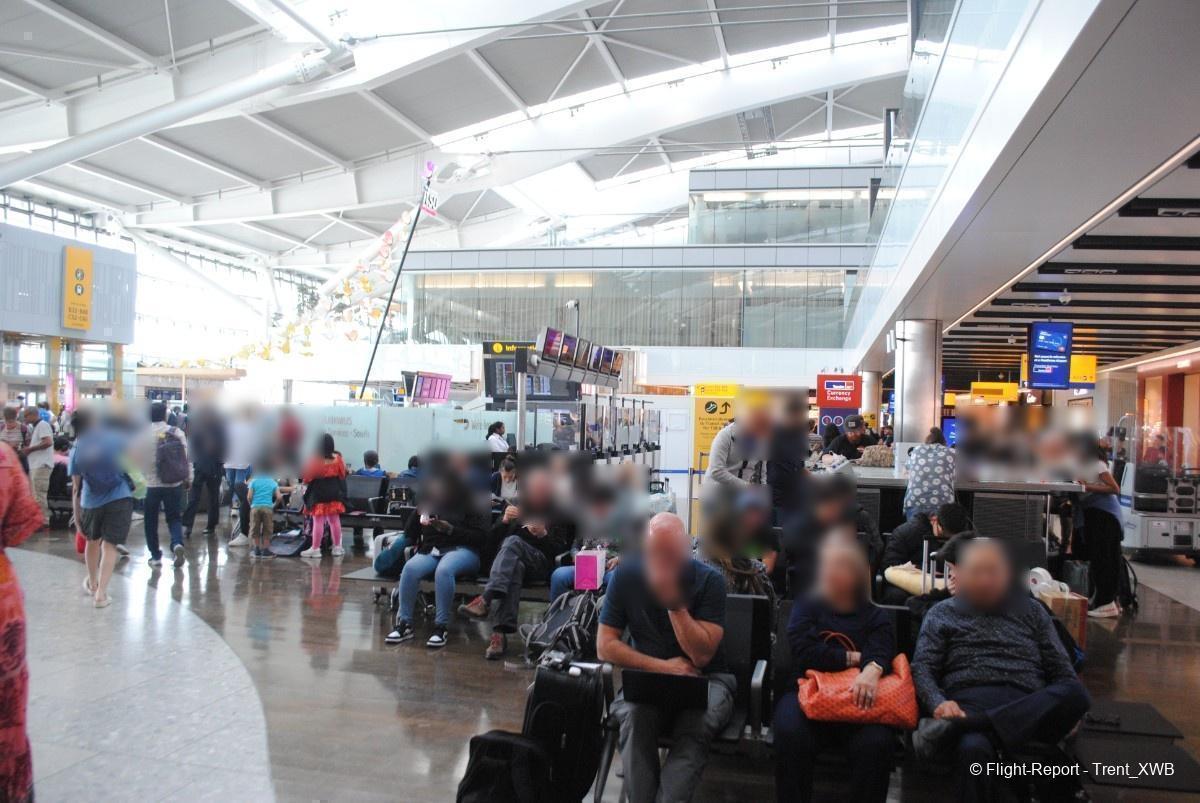
Views of bustling main level of the airside hall of T5A. On the last photo one can see entrance to the transfer to T5B/C satellites.
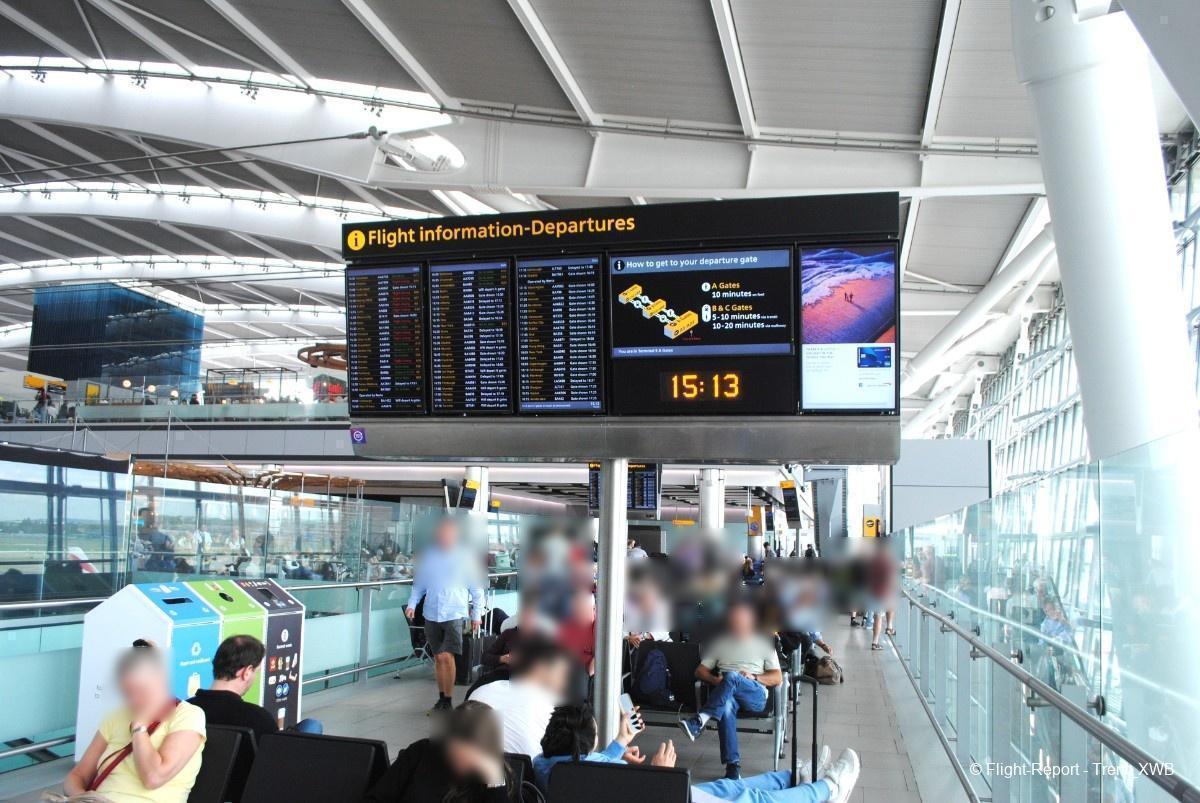
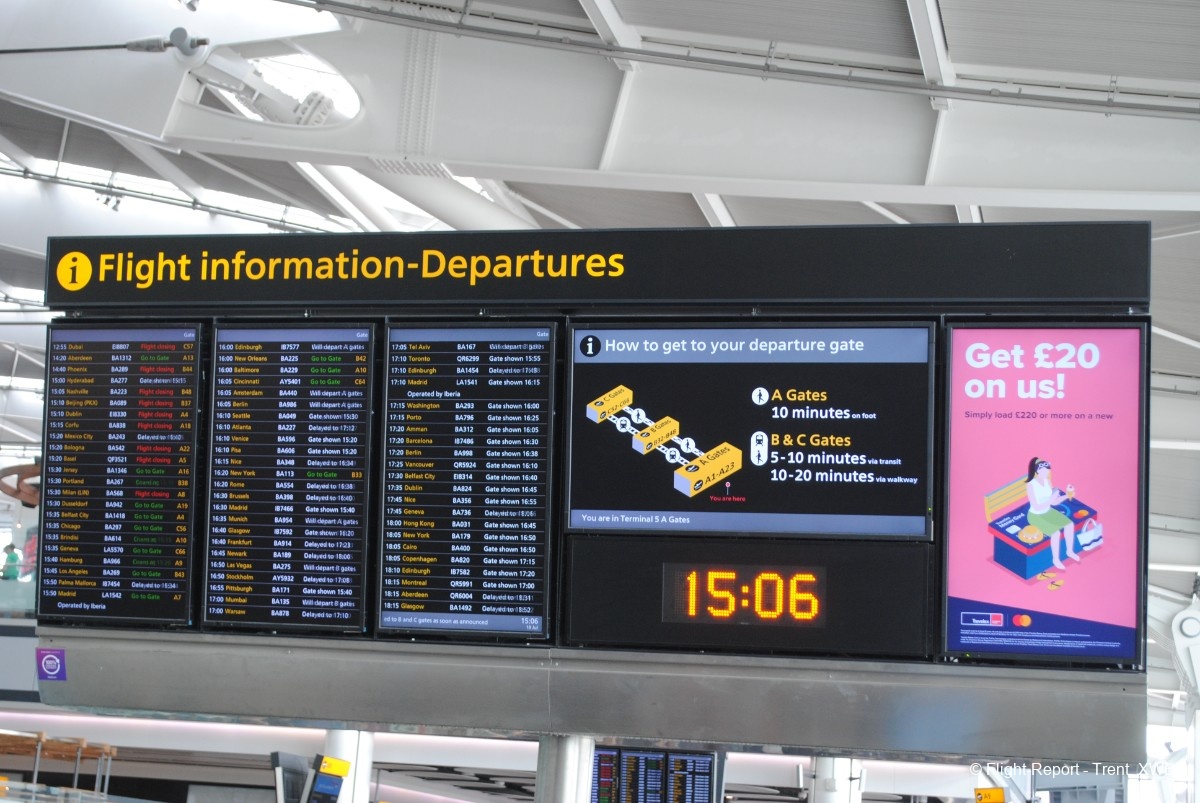
One of the FIDs, from where I got to know that my flight to TLV will depart from T5B (I was hoping for T5C, as I already was in T5B back in 2016).
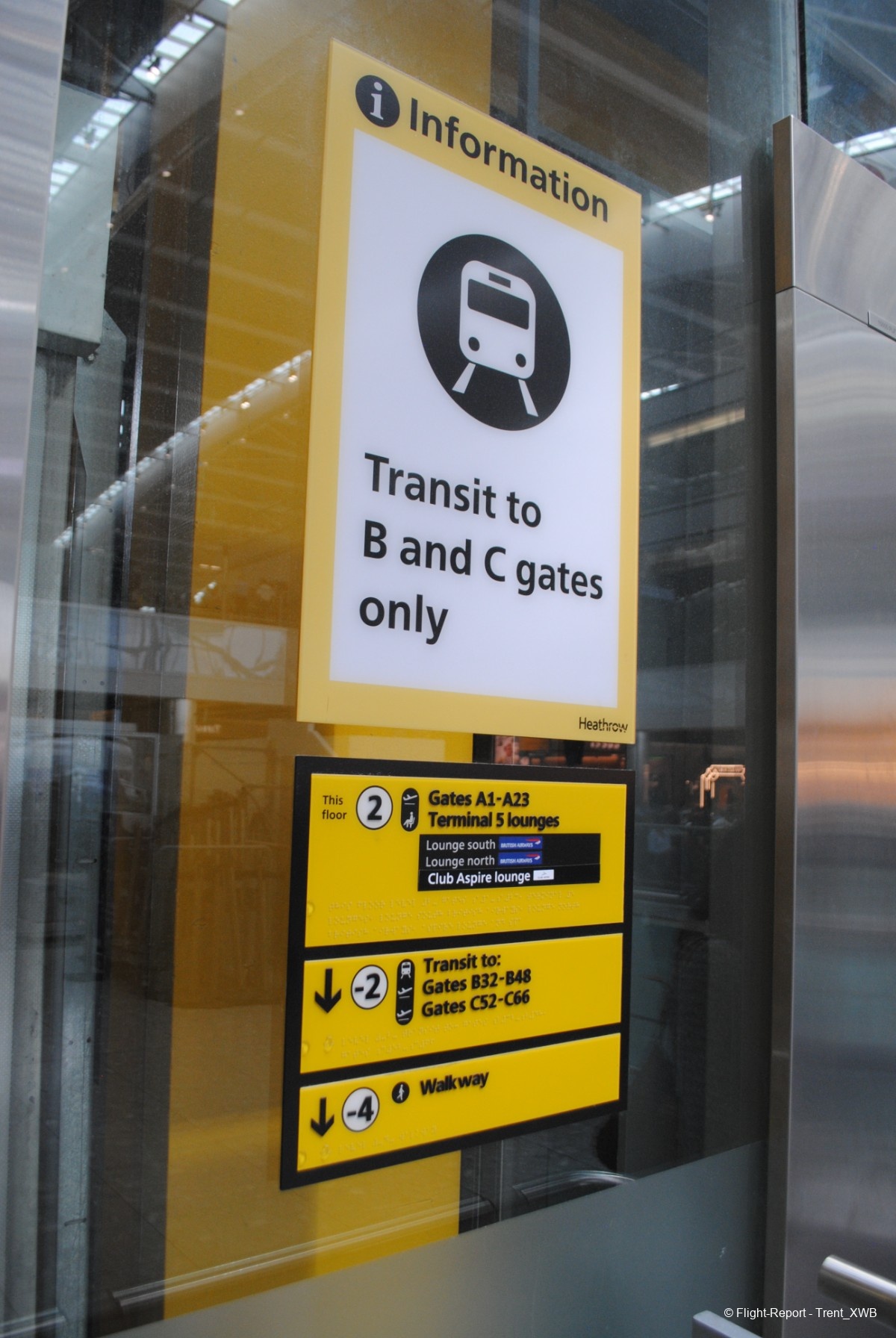
Entrance to the lifts to the shuttle train to T5B/C and to the walkway (I will cover its theme in one of the next FRs).
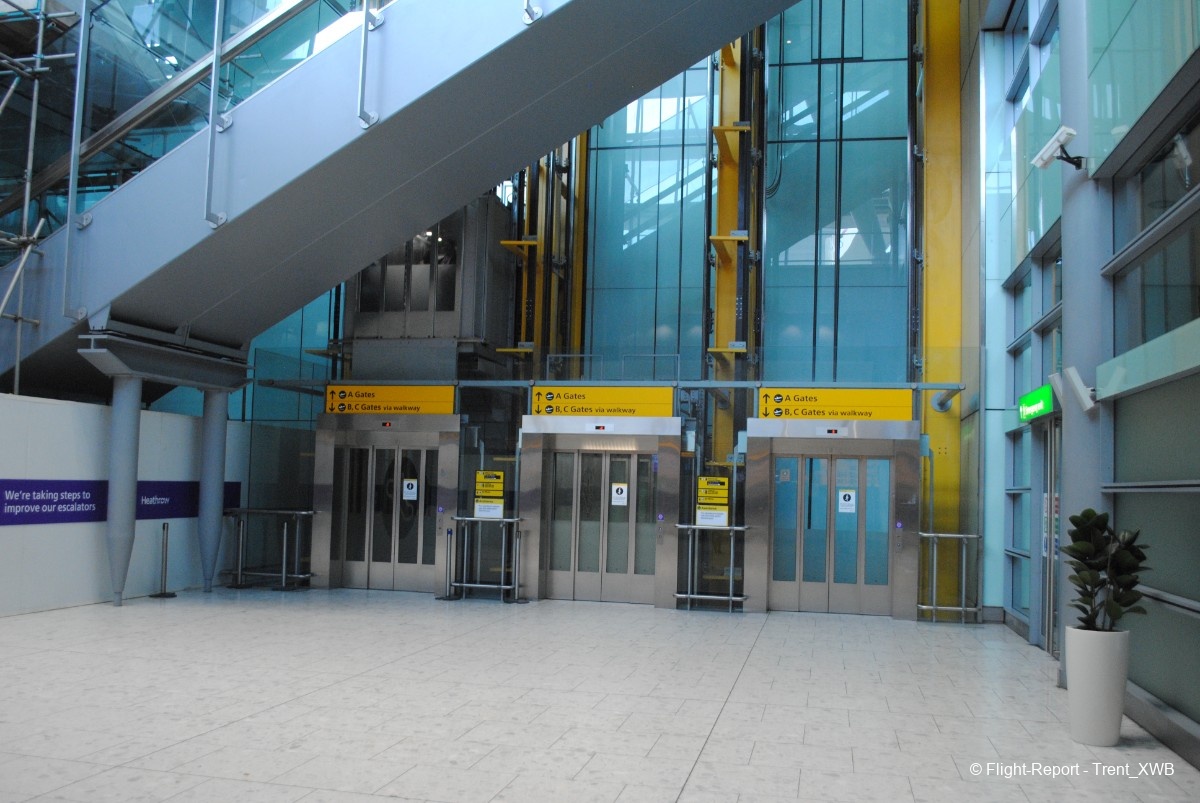
The station of the shuttle train (called "Transit") to T5B and T5C satellites.
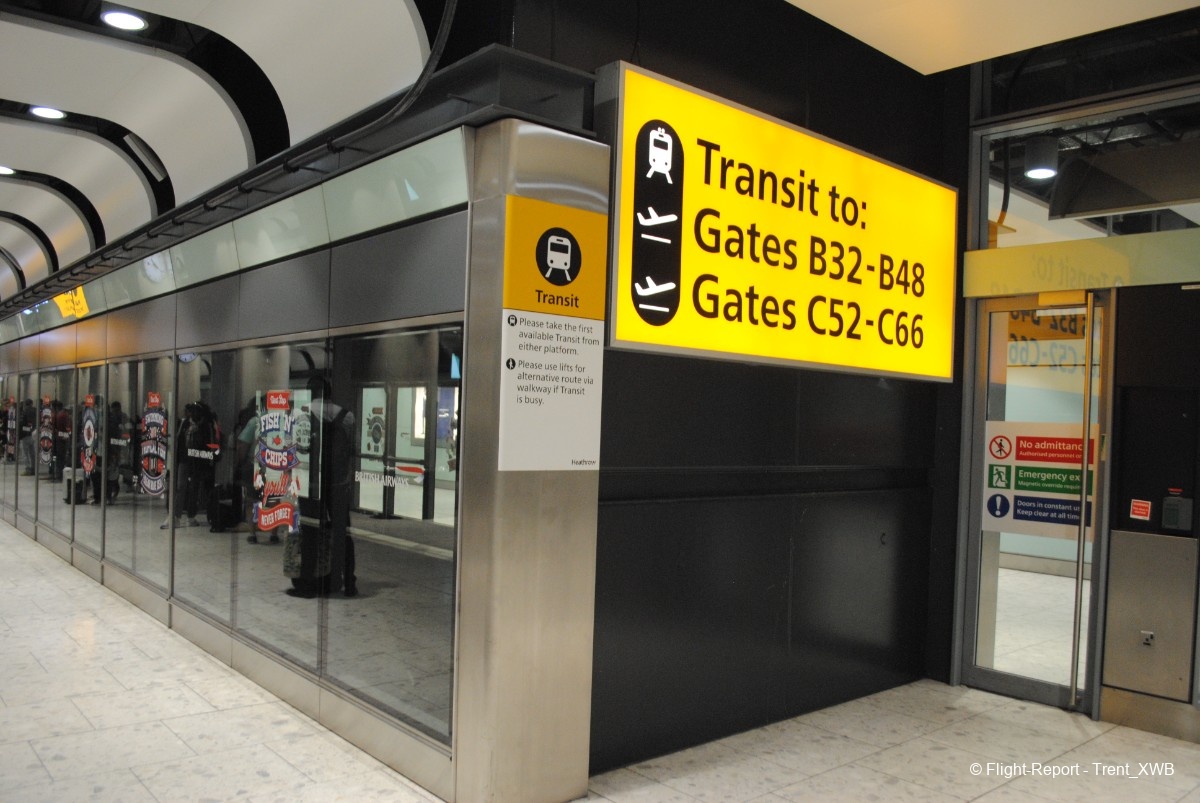
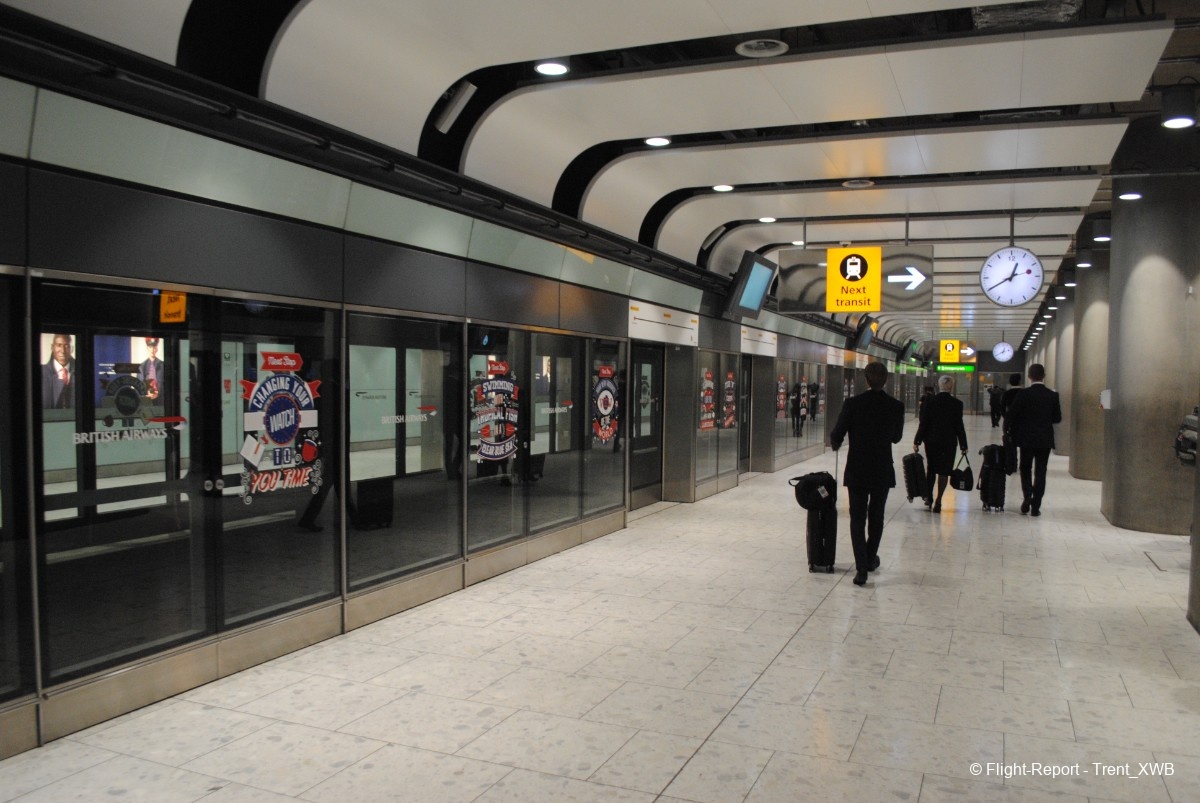
Planespotting from T5A LHR
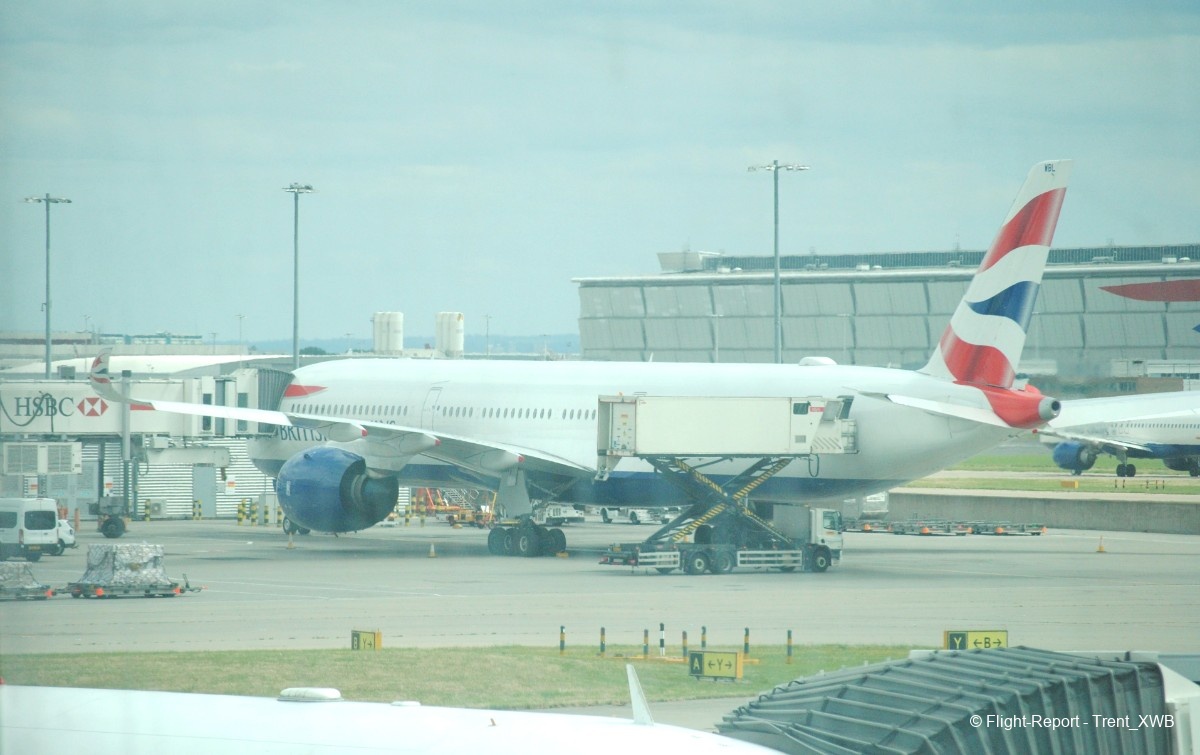
Even though T5A is not especially planespotting-friendly due to the construction of the windows with the lack of direct access to them, one can see a lot of interesting planes from here and even make some decent photos through "cells" of the T5A's facades using telelens.
The already seen BA A35K (G-XWBL) from the different angle.
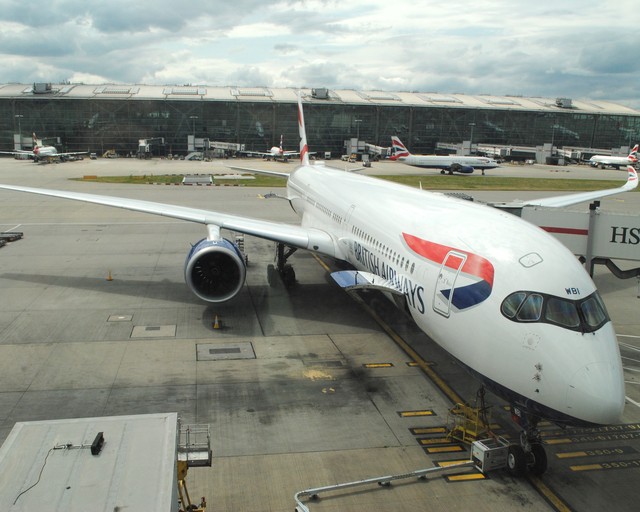
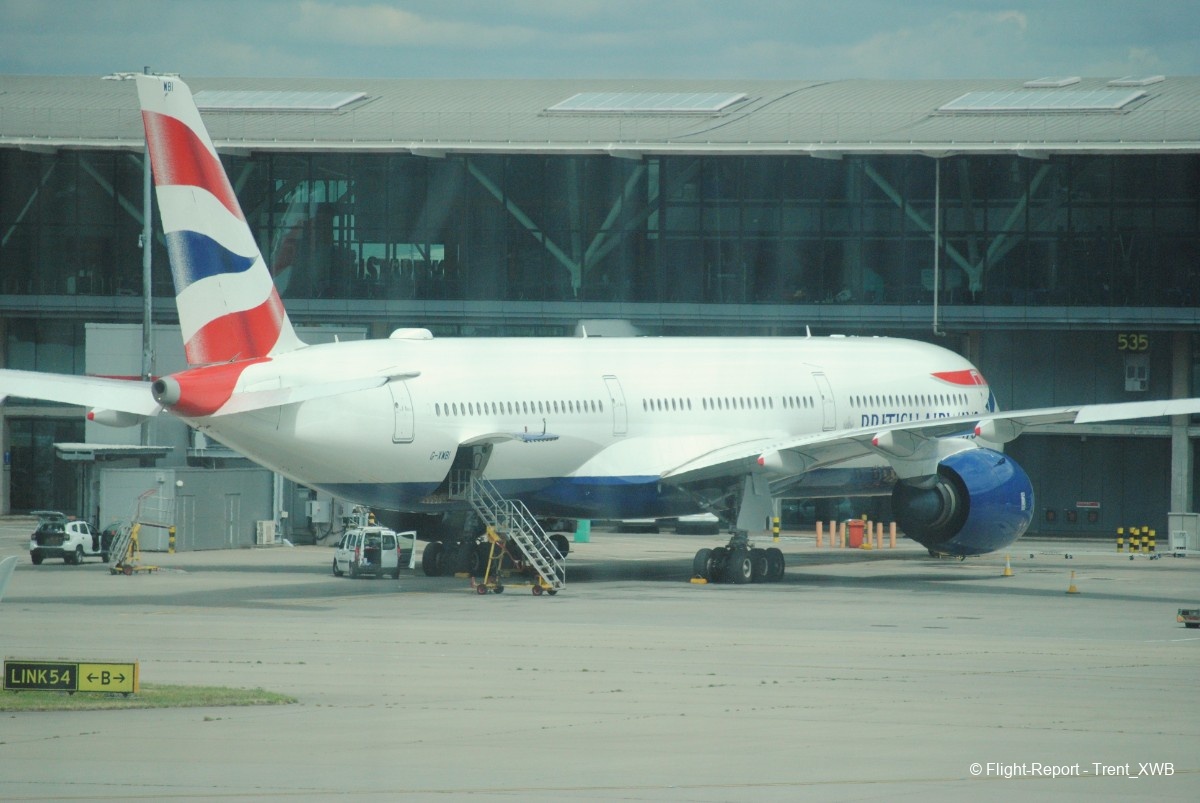
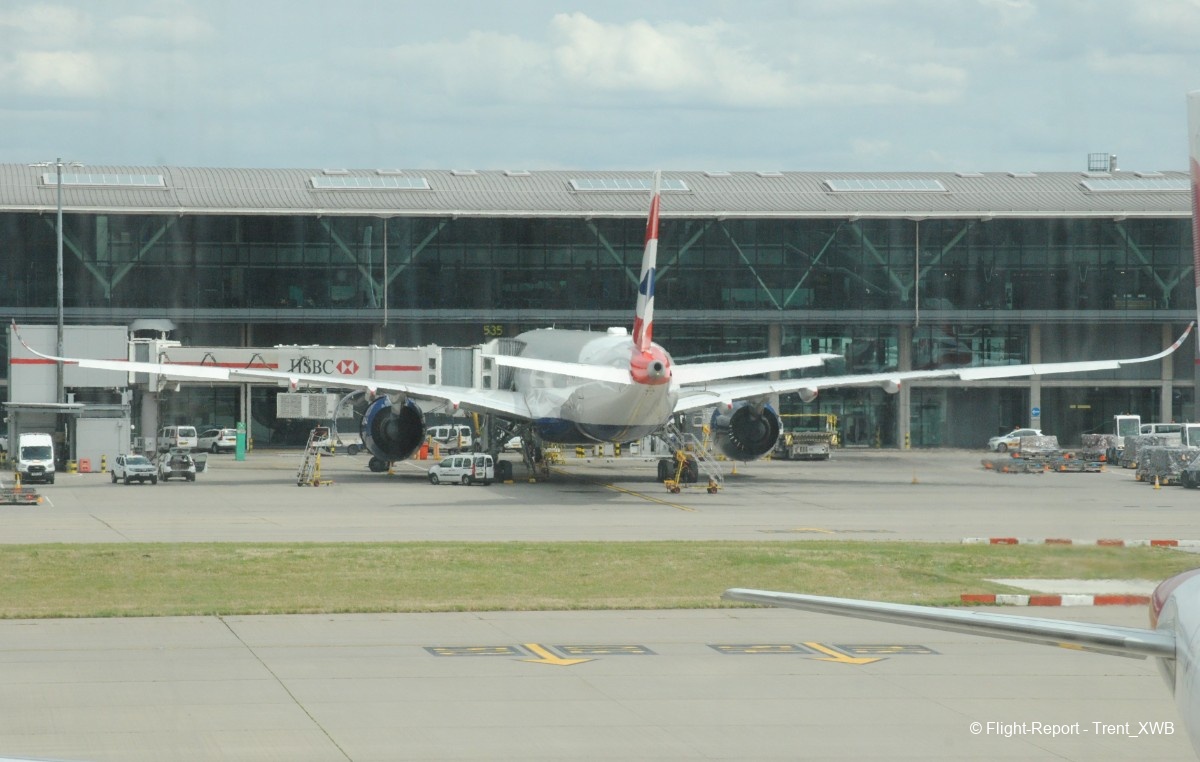
Another BA A35K (G-XWBI) near the gate 35 of T5B. A bit later it turned out that this was my plane to TLV.
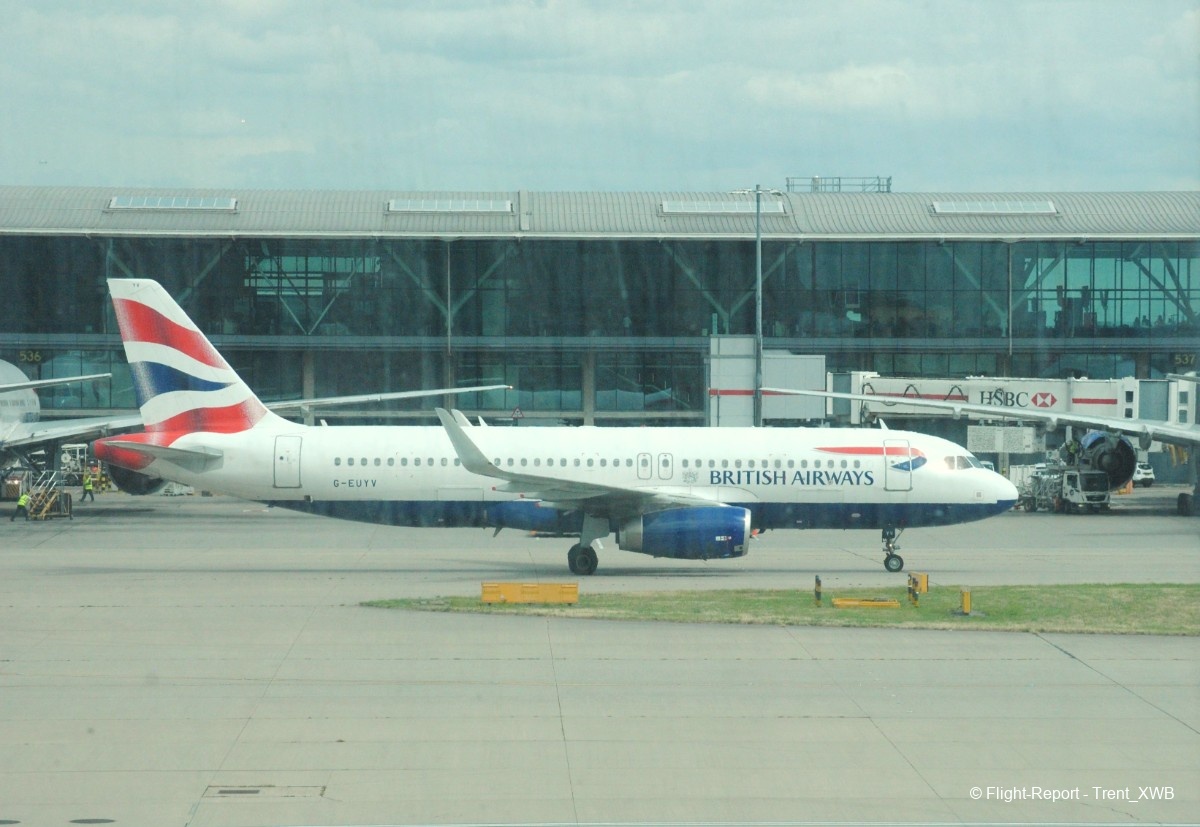
BA A320SL (G-EUYV) - one of the last A320ceos of BA.
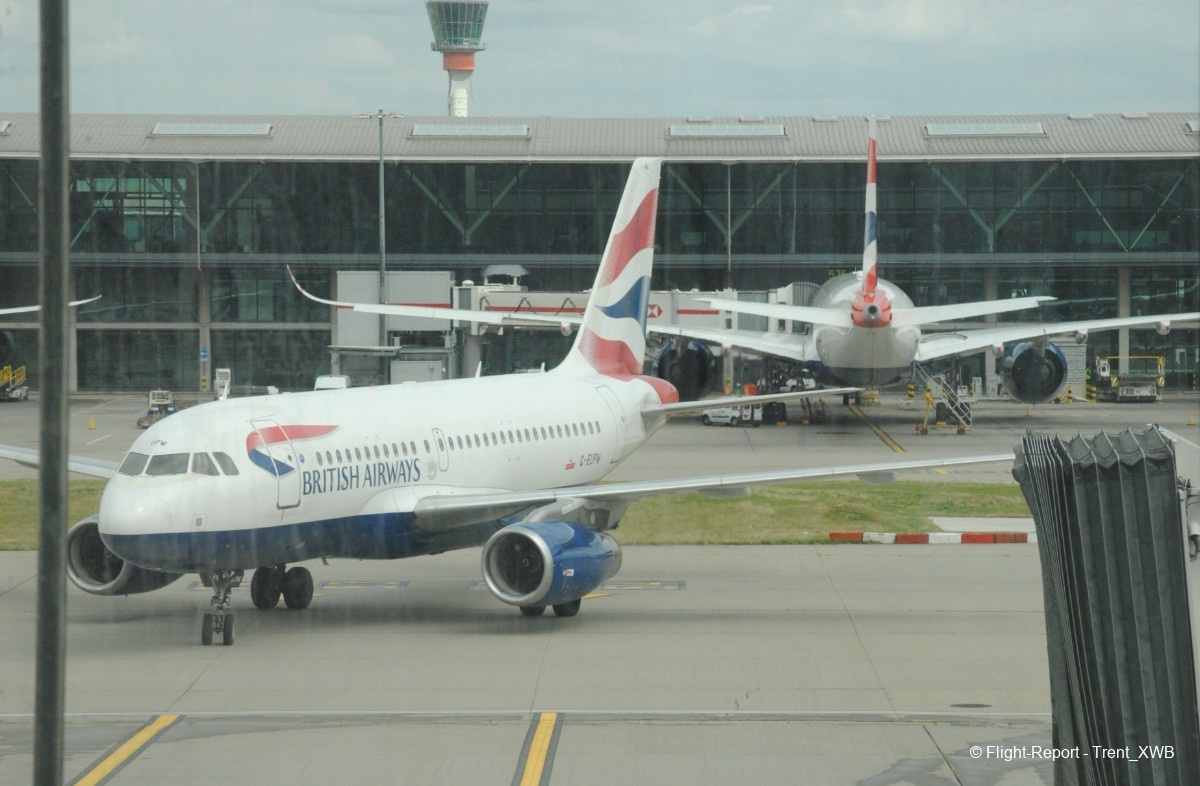
BA A319 (G-EUPW). A319 is BA's smallest mainline narrowbody (since BA retired its premium-heavy A318, which used to serve special flight to JFK via SNN). Though, BA's subsidiary Cityflyer, based in LCY (the only London's airport, where I haven't been), flies smaller E190s.
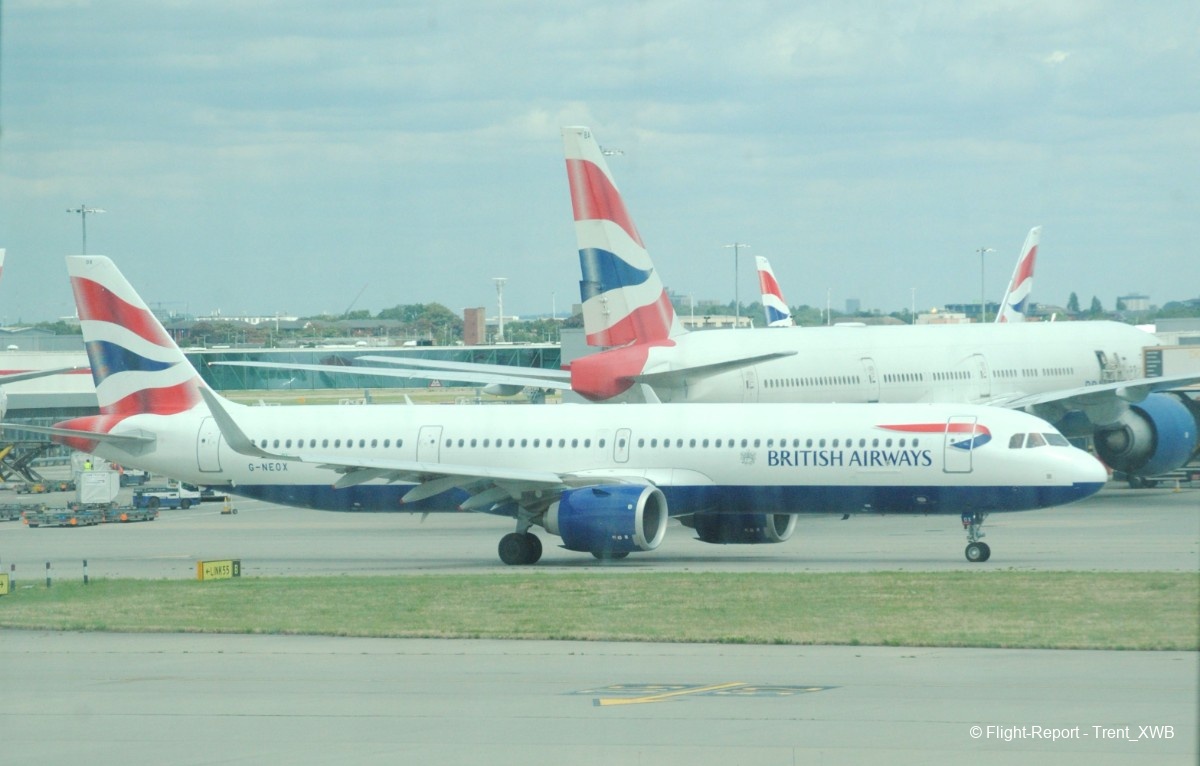
BA A21N (G-NEOX) in CY220 layout (as all the BA A21Ns). The same said about seat models in BA A20Ns is applicable to A21Ns: G-NEOP to -NEOZ and G-TNEA/B/C have comfortable and spacious Collins Pinnacle seats in rows 1 to 14, but rows 15 to 37 are fitted with dull "iron board" Recaro SL3710 seats. At the same time, the newer G-TNED to -TNEJ have Collins Pinnacle seats from nose to tail. So, if you're flying a BA A21N, the rule of thumb is to choose row number no larger than 14 - this guarantees that you'll find yourself in the Collins seat.
RR-powered BA B77E (G-YMMT) in Oneworld livery - the penultimate RR-B77E built. BA has the last 4 end-of-the line RR-B77Es, delivered in 2009. LHR-based RR-powered B77Es have 3-class C48_W40_Y184 layout.
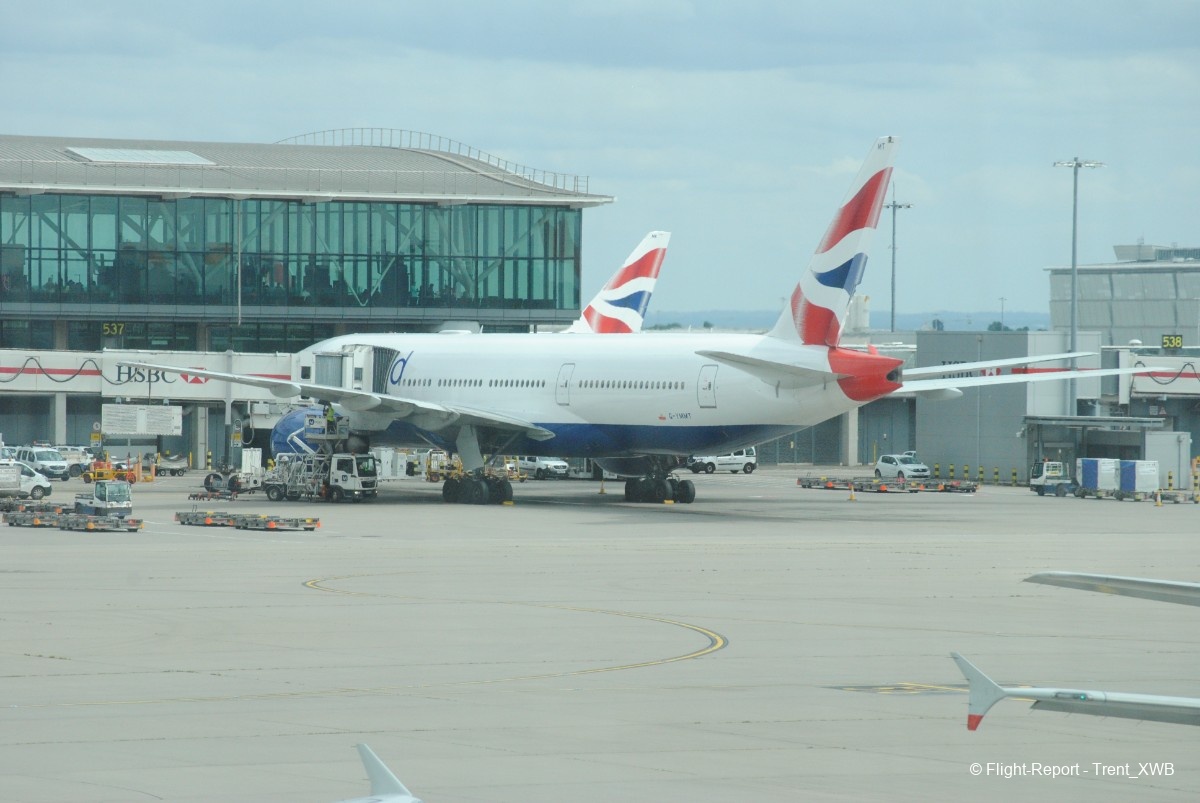
1998-built GE-powered BA B77E (G-VIIN) with a very dirty APU cone (a stark contrast with tidy G-YMMT!). LHR-based GE-powered BA B77Es have 4-class layout F8_C49_W40_Y138. BA is the world's only operator of 4-class B77Es.
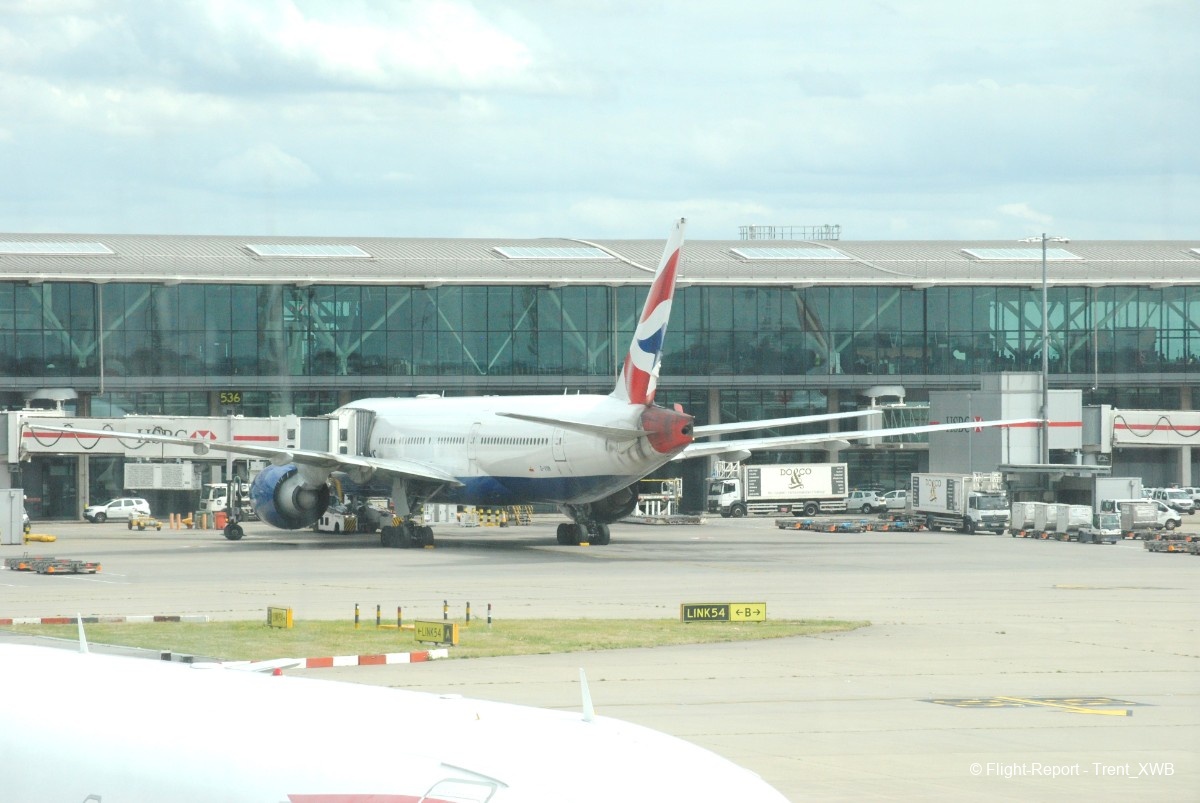
BA B78X (G-ZBLG). BA B78Xs have 4-class F8_C48_W35_Y165 layout and have become the most direct replacement of now-long-gone BA B744s.
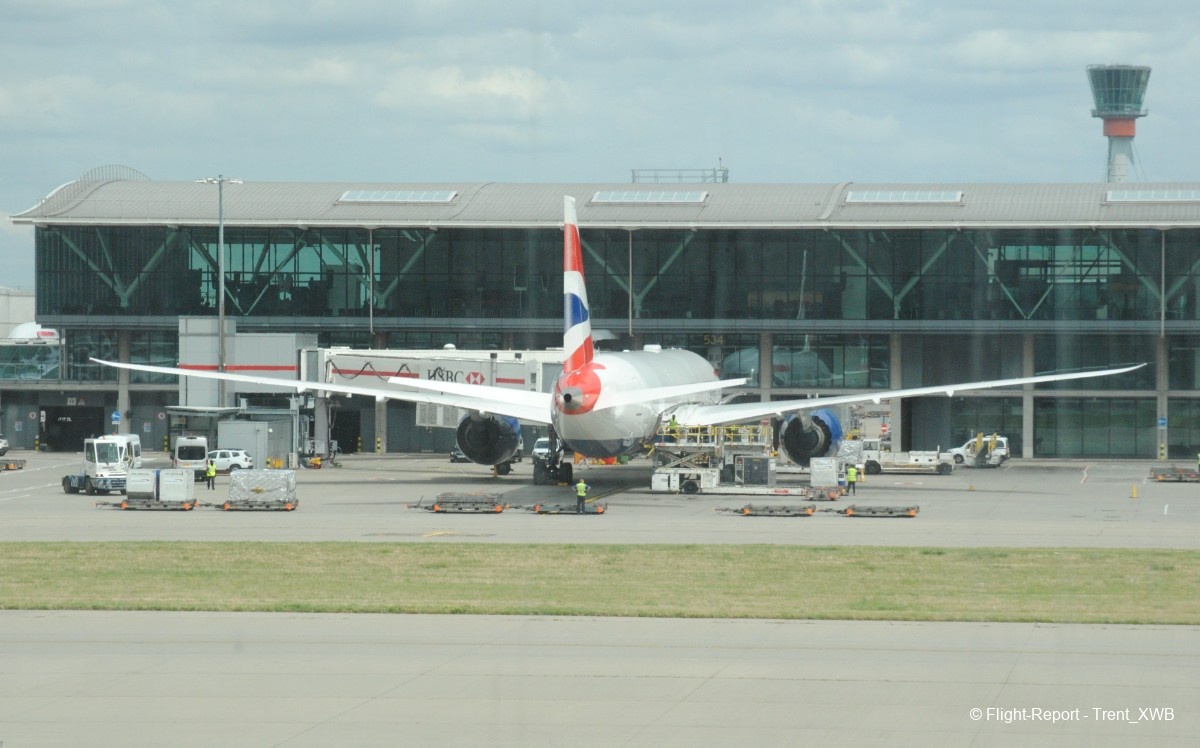
2010-built BA B77W (G-STBA) - the 1st BA's B77W. BA received its first batch of B77Ws as a compensation from Boeing for delayed Dreamliners, but became so happy with B77Ws that it ordered the second batch, totalling the number of the frames to 16 (the last ones are 2020-built). All BA B77Ws have very premium-heavy 4-class F8_C76_W40_Y132 layout - actually it's the world's most premium-heavy B77W layout. Though, the economy passengers are the losers here, as the economy cabin has 3-4-3 layout with uncomfortable Recaro CL3710 seats (now the entire BA widebody fleet has slimline Recaros in economy; though, A380s and most of B789s have slightly better CL3620s). For comparison JL and SQ 4-class B77Ws, albeit being a bit less premium-heavy, offer superior comfort for Y passengers due to very spacious 3-3-3 layout with Zodiac/Safran Z300 seats.
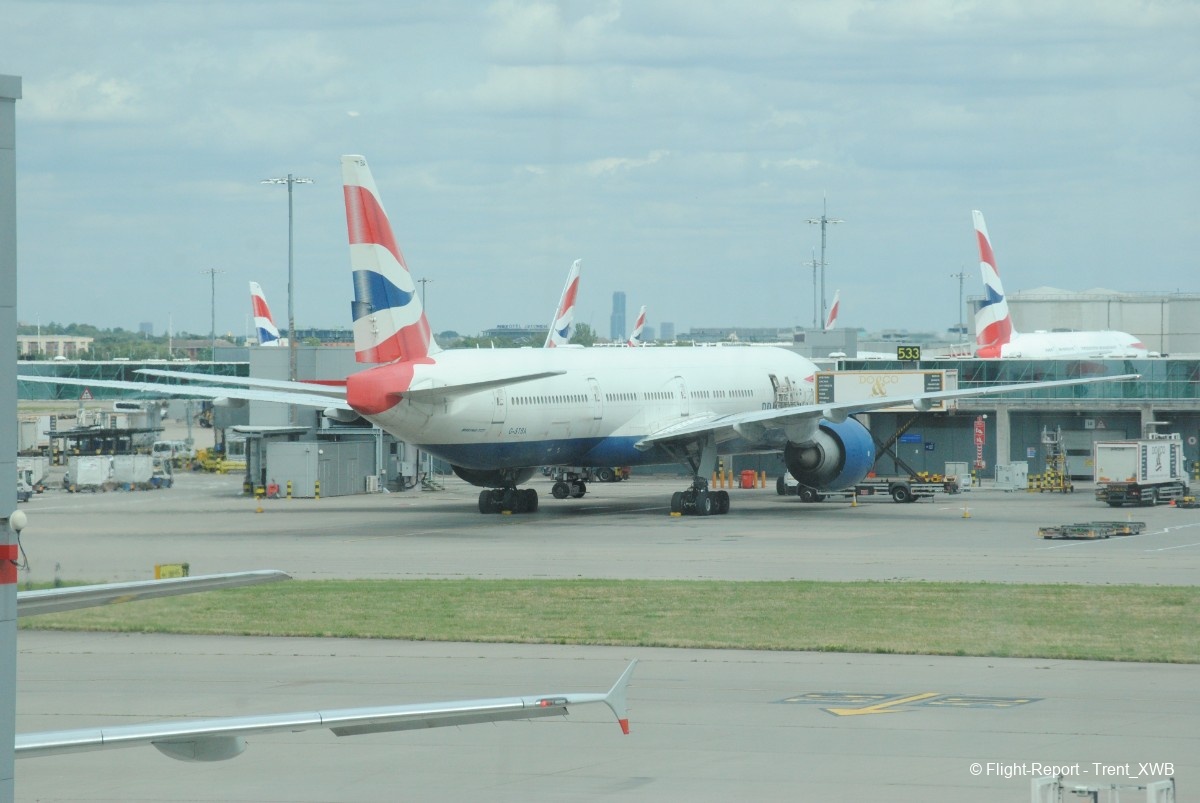
G-STBA and 2 BA A380s near T5C and QF A380 (from SYD via SIN) at its dedicated parking near the jet fuel storage. I was regretting that I didn't have time to visit T5C, but my next time in T5 LHR happened just 2.5 months later with very long connection, so I eventually got to explore T5C. More details in one of the next FRs.
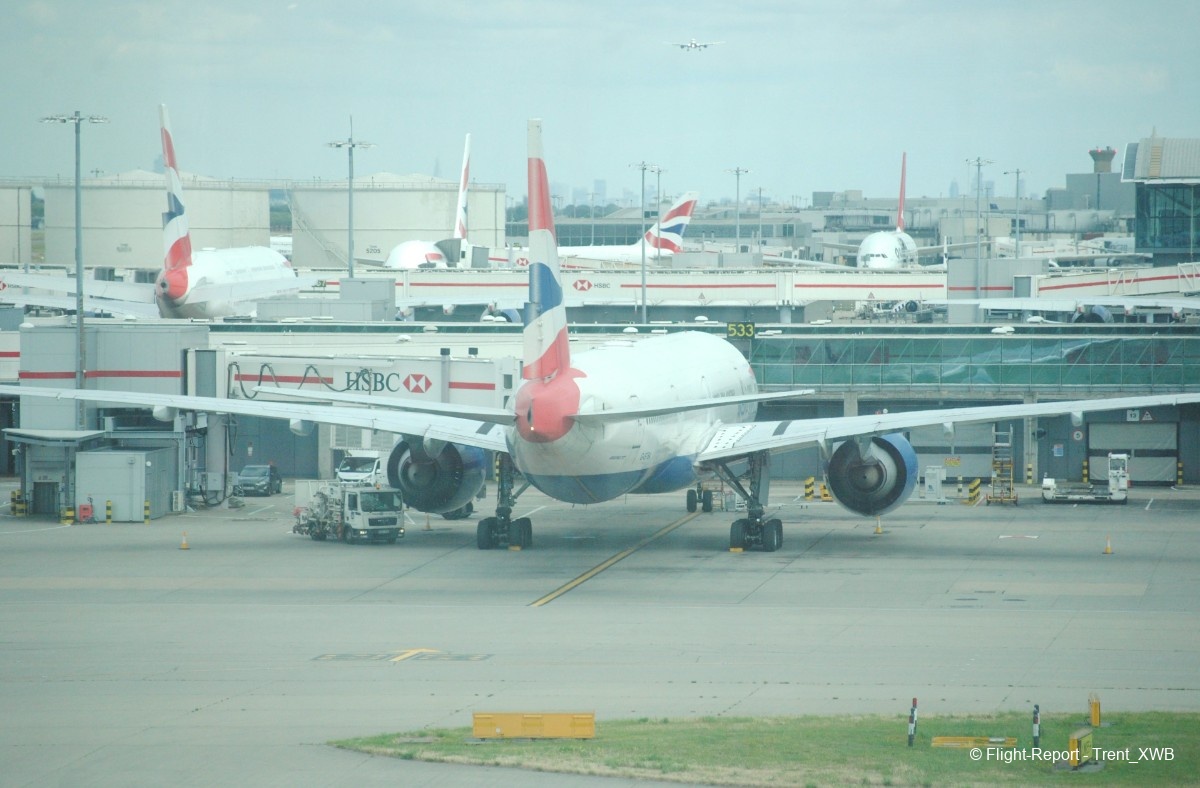
BA A380 taxiing to the northern runway 09L/27R.
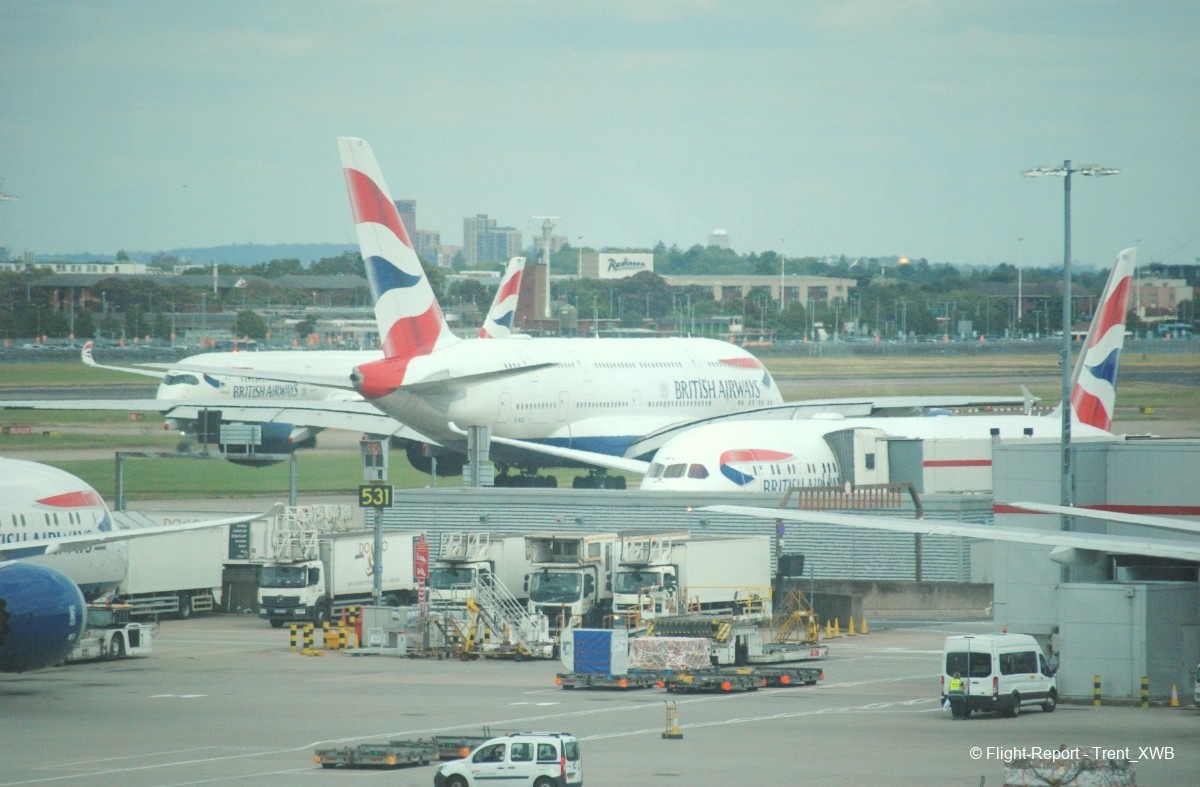
BA's new-gen widebodies that replaced the iconic Jumbos: A35K and B78X (G-ZBLC).
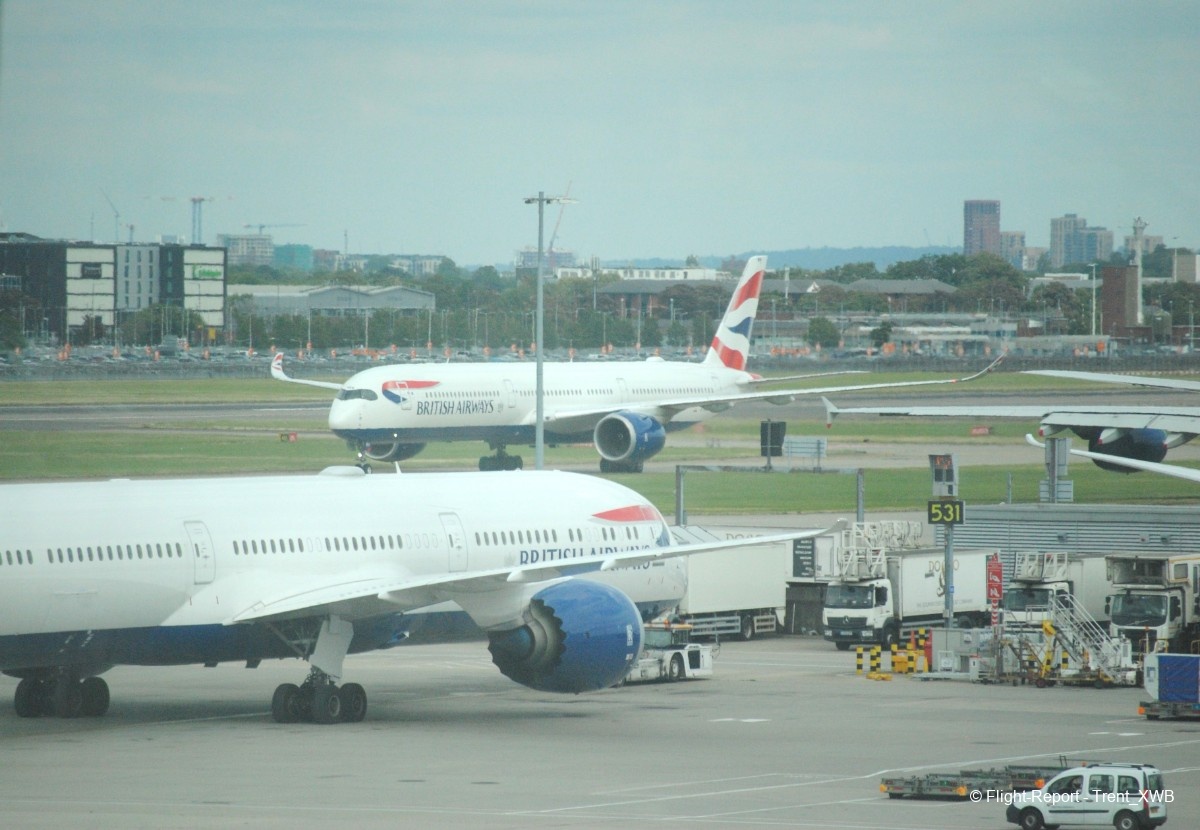
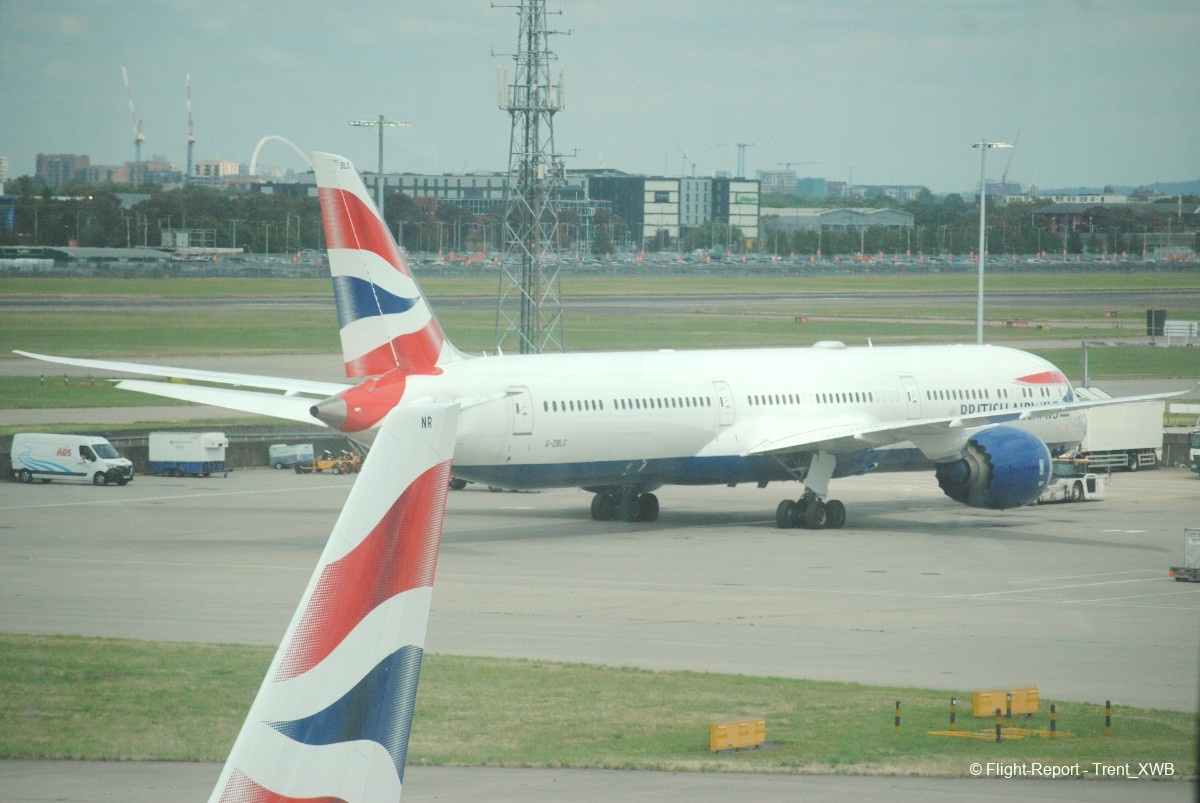
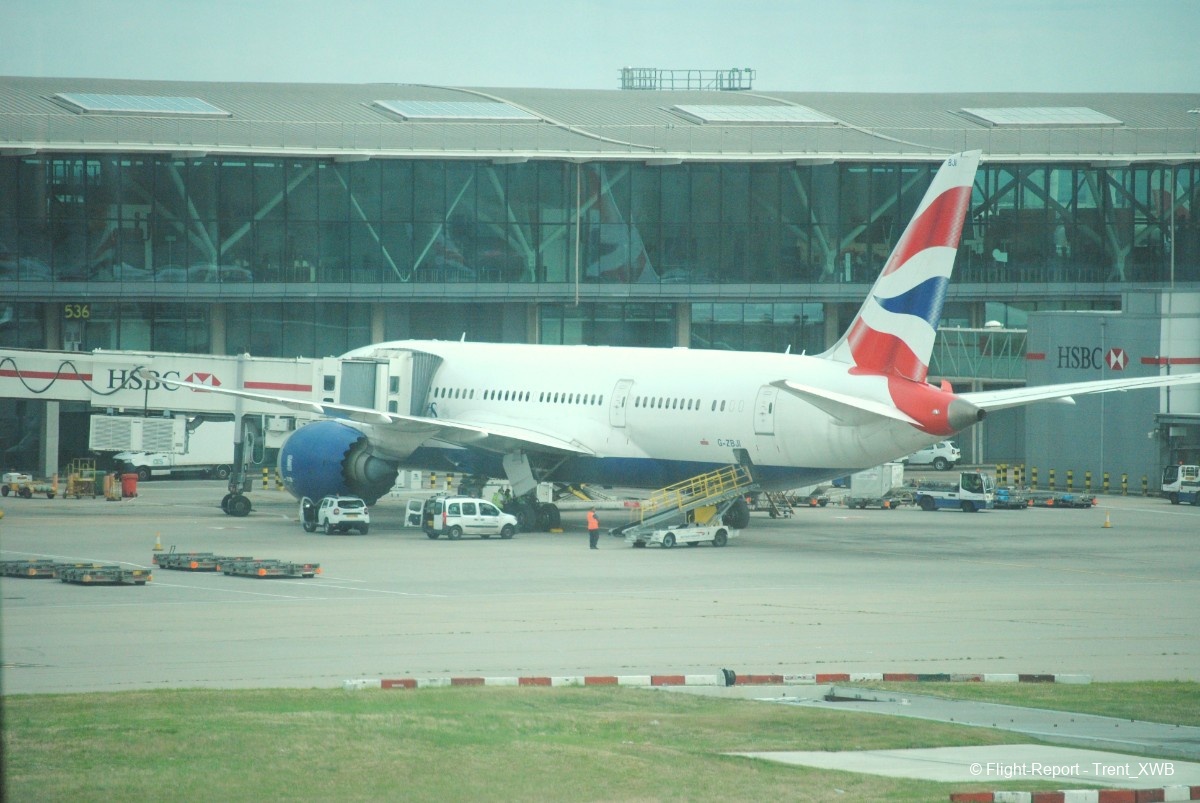
BA B788 (G-ZBJE). Currently BA is just one of 3 airlines, operating all the modifications of Dreamliners (B788, B789, B78X) along with NH and UA, but AC is about to join this club, as it's going to start receiving B78Xs in 2026.
Thank you for your attention and welcome to the next FR: LHR-TLV on BA A35K.